Nation
India’s oil firms absorb Rs 30,000 cr loss as fuel prices stay frozen amid West Asia crisis
Global energy disruption after Strait of Hormuz tensions triggers volatility, panic buying and higher demand
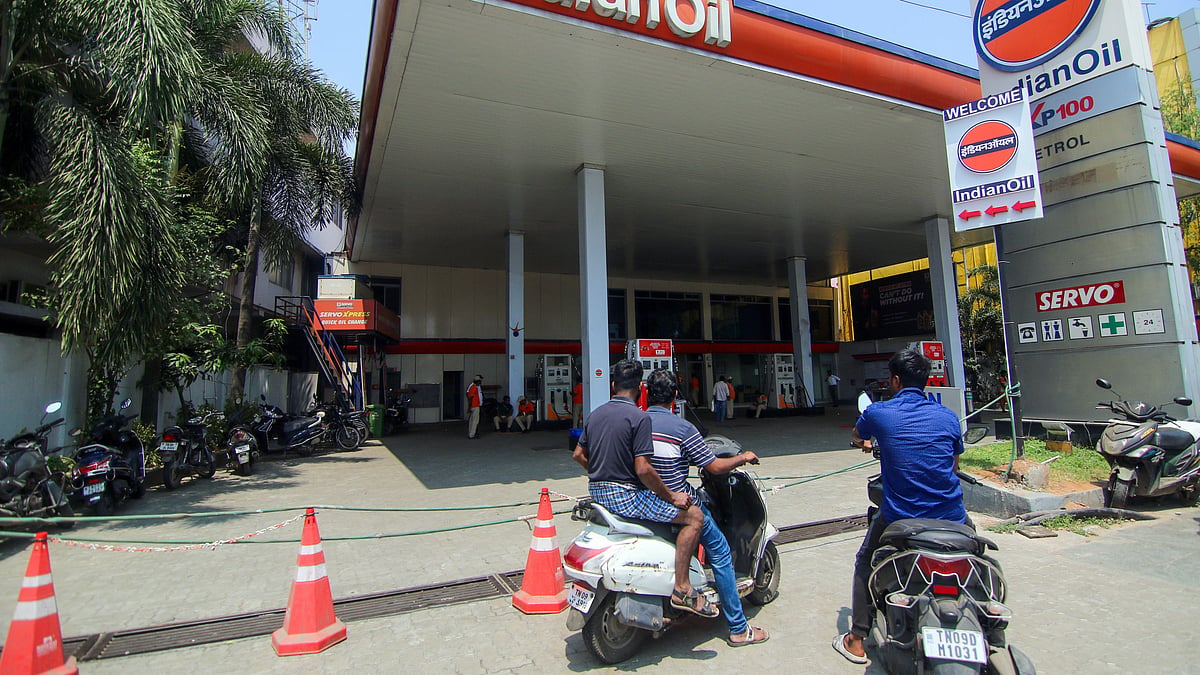
India’s state-run oil marketing companies have incurred estimated losses of around Rs 30,000 crore since mid-March as they continued supplying fuel and LPG without increasing retail prices, despite a sharp rise in global crude costs triggered by the West Asia conflict.
Indian Oil Corporation (IOC), Bharat Petroleum Corporation (BPCL) and Hindustan Petroleum Corporation (HPCL) maintained uninterrupted supplies of petrol, diesel, aviation fuel and LPG even as input costs surged by over 50 per cent, sources said.
The disruption in global energy markets, particularly after tensions escalated around the Strait of Hormuz, triggered volatility and panic buying, pushing demand higher. However, retail prices in India were kept unchanged.
According to sources, the companies together faced under-recoveries — the gap between cost and retail price — of about Rs 30,000 crore since mid-March. Without government intervention, losses could have reached nearly Rs 62,500 crore.
The Centre reportedly reduced excise duties on petrol and diesel — petrol by Rs 10 per litre and diesel by Rs 10 per litre initially (later structure revised to Rs 3 per litre and zero respectively in phases) — helping cushion part of the burden.
Sources said the government absorbed an estimated Rs 24 per litre on petrol and Rs 30 per litre on diesel at peak crude levels, limiting retail price impact for consumers.
Brent crude prices, which were around USD 72 per barrel before the escalation, surged sharply as tensions in West Asia intensified, briefly touching extreme volatility levels near USD 144 per barrel at peak disruption, according to the report.
Daily under-recoveries during April alone were estimated at Rs 600–700 crore, with petrol losses of around Rs 18 per litre and diesel losses of around Rs 25 per litre.
In addition to crude costs, oil companies also faced higher freight charges due to rerouted shipments, increased marine insurance premiums and refinery optimisation expenses.
Despite financial stress, supply chains for fuel and LPG remained stable across the country, avoiding shortages or rationing.
Sources said the policy priority was to shield consumers from global price shocks and maintain economic stability during a period of heightened geopolitical uncertainty.
However, they cautioned that sustained high crude prices could strain balance sheets, increase borrowing needs and impact capital expenditure plans, even as strategic investments in refining capacity, biofuels and energy transition continue with government support.
The report also highlighted that while several countries saw sharp fuel price hikes during the same period, India kept retail prices stable at around Rs 94.77 per litre for petrol and Rs 87.67 for diesel, without supply disruptions or rationing.
With PTI inputs
Join our official telegram channel (@nationalherald) and stay updated with the latest headlines