Nation
Iran war disrupts fertiliser supplies to India, raises food price concerns
Shipping disruptions via Strait of Hormuz threaten imports; govt says stocks adequate for now
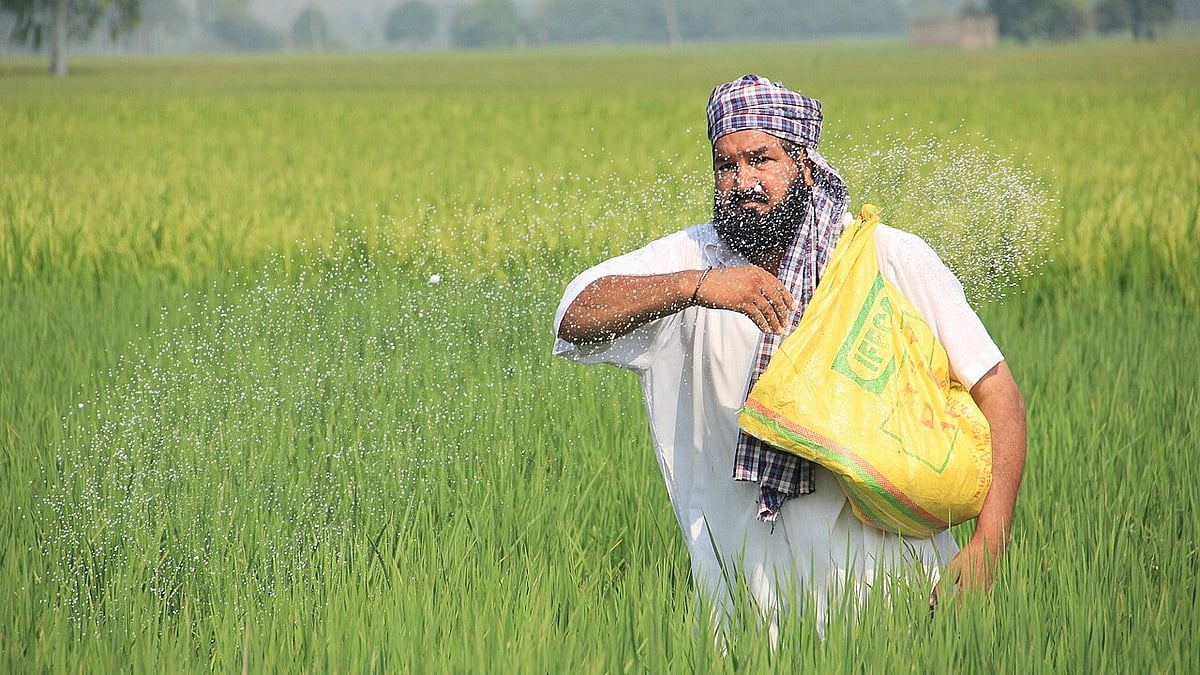
India’s fertiliser supply chain is coming under strain due to disruptions in shipping routes caused by the ongoing conflict in West Asia, raising concerns over potential impact on agricultural output and food prices.
India, the world’s second-largest fertiliser consumer after China, relies heavily on imports of both raw materials and finished fertilisers, a significant portion of which transits through the Strait of Hormuz — a key maritime chokepoint now affected by the conflict.
Prime Minister Narendra Modi said the government has taken steps to ensure uninterrupted fertiliser availability and to shield farmers from adverse impacts.
Stocks sufficient for now, risks ahead
Analysts say current fertiliser stocks are adequate to meet demand for the upcoming sowing season, but warn that prolonged disruptions could alter the situation.
India had urea stocks of around 6.2 million tonnes as of 19 March, which are expected to support the June–September monsoon cropping season under normal conditions.
However, experts caution that continued supply bottlenecks may lead to shortages later in the season.
Siraj Hussain, former Agriculture Secretary, said fertiliser production is “surely going to be impacted” and advised preparedness for possible shortages during the monsoon harvest.
Heavy dependence on imports
India uses nearly 40 million tonnes of urea annually, with production heavily dependent on natural gas — about 85 per cent of which is imported, primarily from Gulf countries.
Disruptions in gas supply have already affected domestic production, with fertiliser plants reportedly receiving only about 70 per cent of their required gas supplies, leading some manufacturers to scale down output.
Farmers yet to feel immediate impact
Farmers in key agricultural states such as Punjab and Haryana said they are not yet facing shortages, as procurement for the monsoon sowing season typically begins in May.
“We don’t know how long the stock will last if the war stretches any further,” said Manpreet Singh Grewal of a farmers’ collective linked to Punjab Agricultural University.
Global fertiliser prices have already risen amid supply concerns, with urea and natural gas prices increasing across Asian markets.
Experts warn that higher costs and reduced availability could lead farmers to cut fertiliser usage, potentially affecting yields in the long run.
The situation may also increase the government’s subsidy burden, as it seeks to maintain fertiliser availability at controlled prices.
Govt steps, outlook
Agriculture Minister Shivraj Singh Chouhan has directed officials to ensure equitable and uninterrupted fertiliser supply across regions.
The government is also working to boost domestic production and diversify import sources to reduce dependence on the Gulf region.
Experts say the outlook will depend largely on how long the conflict persists, with supply chains expected to stabilise if shipping routes normalise in the coming weeks.
Join our official telegram channel (@nationalherald) and stay updated with the latest headlines