Nation
It's good news at Kuno: Cheetah Gamini births three cubs, numbers go up to 38
A milestone birth under Project Cheetah celebrates successful revival efforts for the world’s fastest land animal in India after decades of extinction
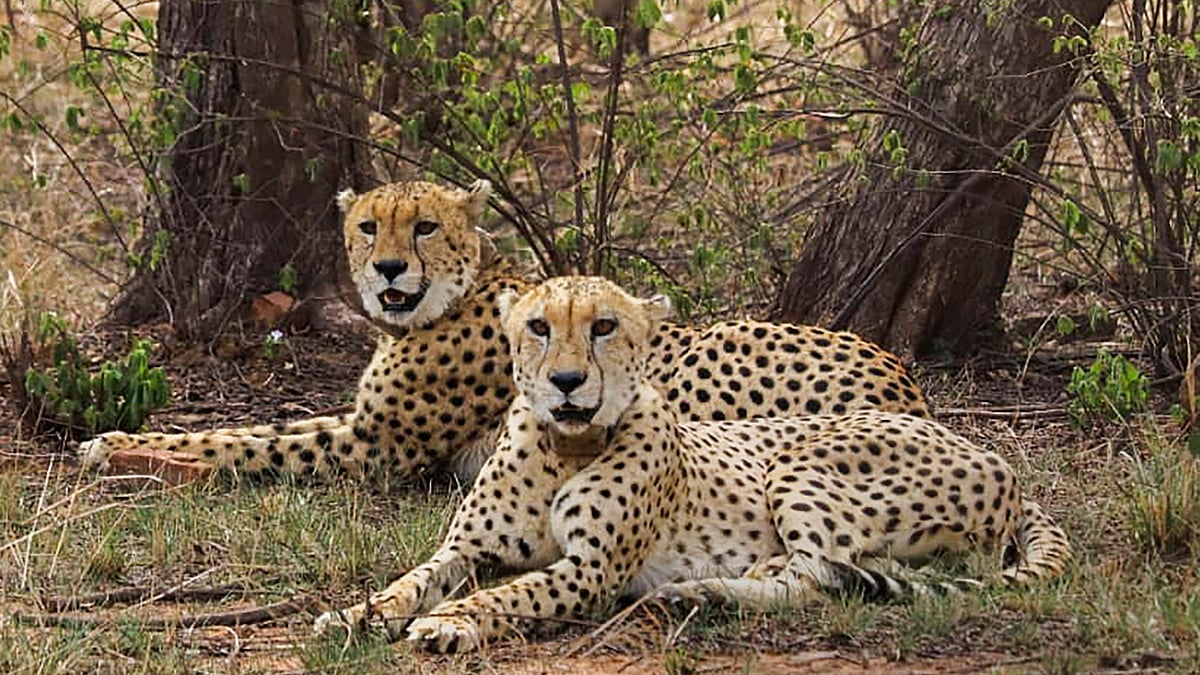
Cheetah Gamini, a female cheetah translocated from South Africa as part of India's ambitious Project Cheetah, has given birth to three cubs at Kuno National Park in Madhya Pradesh. This marks the ninth successful cheetah litter on Indian soil and increases the total number of surviving Indian-born cubs to 27.
With these new additions, the total cheetah population in India has risen to 38, reflecting a significant achievement in the country's conservation efforts to revive the population of the world's fastest land animal, which had gone extinct in India decades ago.
Union Environment Minister Bhupender Yadav described this as a "roaring" success and a powerful symbol of India's determined and historic conservation efforts. The birth strengthens the foundation of Project Cheetah and honors the dedication of field staff and veterinary teams involved.
Chief Minister Mohan Yadav also noted Madhya Pradesh as a strong center for cheetah reintroduction and expressed immense joy over this milestone achieved under the project.
Gamini is a second-time mother, and this birth coincides with the third anniversary of the arrival of cheetahs from South Africa to Kuno National Park, where five female and three male Southeast African cheetahs were first brought in September 2022. Earlier this month, another female cheetah named Aasha, translocated from Namibia, gave birth to five cubs at the same park, further bolstering the population.
This success is part of Project Cheetah, which aims to restore the presence of the formerly extinct Asiatic cheetah in India by introducing the Southeast African cheetah subspecies. The project started after India’s Supreme Court allowed translocation on an experimental basis in 2020. The program has seen multiple births and faces challenges, including ensuring the cheetahs adapt to larger habitats in the wild, as the current enclosures in Kuno are smaller than the vast areas cheetahs typically require.
(With agency inputs)
Join our official telegram channel (@nationalherald) and stay updated with the latest headlines