Nation
Ageing gracefully, with a little help from the state
The passing of the Keralam Senior Citizens (Care and Protection of Rights) Bill, 2026 is a milestone, writes K.A. Shaji
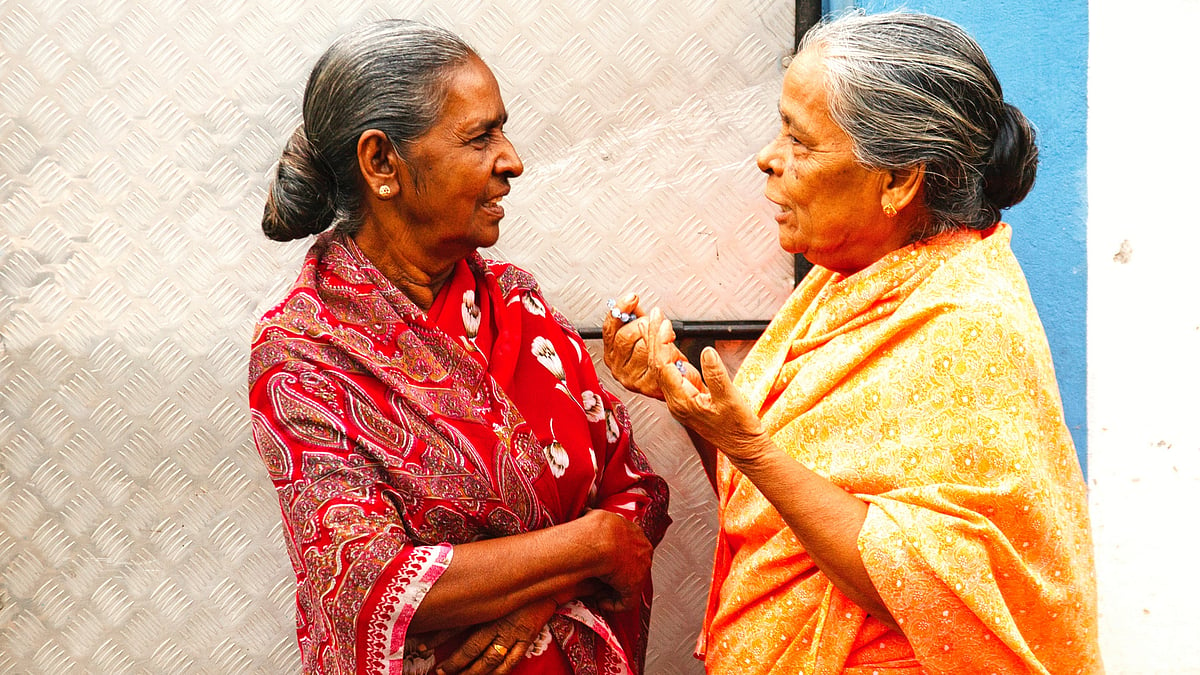
In Thiruvilwamala, Thrissur district, 85-year-old Dhanalakshmi lives in a room where the rain comes in. Parts of her house have been demolished for structural repairs. Her daughter has not yet sent the monthly maintenance of Rs 6,500, ordered by a district-level tribunal. Dhanalakshmi had transferred the property to her daughter on the understanding that she would be cared for in her old age. Instead, she finds herself bereft of both financial cover and a proper roof over her head.
Nationally, the Maintenance and Welfare of Parents and Senior Citizens Act, 2007, provides a mechanism for eligible parents to seek support from their children. But an order can neither guarantee payment nor make an unsafe home habitable. For elderly persons dependent on family, the consequences can be devastating. Dhanalakshmi's experience demonstrates why the security of senior citizens cannot rest solely on private arrangements.
Against this background, the Keralam Senior Citizens (Care and Protection of Rights) Bill, 2026, gains significance. Introduced by chief minister V.D. Satheesan on 13 October, the Bill was unanimously passed by the Kerala legislative assembly's subject committee on 26 October.
It promises to be the strongest legislation for elders in the country, with a wider framework and safeguards against neglect and exploitation. These include imprisonment and fines for offences including abuse, illegal possession of senior citizens' property and unregistered elderly care centres.
Kerala has seen its population grow older, thanks to longer life expectancy and declining birth rates. The proportion of 60-plus citizens rose from 12.7 per cent in 2011 to around 15 per cent in 2021. It is projected to double by 2051.
Migration has changed the structure of families and caregiving. Children working overseas may send money and arrange medical consultations, but immediate assistance in emergencies remains a problem, as does loneliness. While elders living alone struggle to manage medication, access hospitals and protect themselves from financial fraud, children have their own pressures.
The challenge therefore is to build public services that support both generations without assuming that filial duty can replace professional care.
A case from Varkala in Thiruvananthapuram district illustrates what can happen when financial arrangements between parents and children collapse. Sadasivan, 70, a cancer patient, and his wife Sushama, 72, were locked out of their home by their daughter and son-in-law in February 2025.
The couple allegedly gave their daughter Rs 35 lakh after selling their immovable properties. The arrangement was that the money would be returned in two years. When the money remained unpaid after five years, the police intervened, a case was registered and the couple eventually regained access to their home.
In Thrissur, Thomas Plakkan, 80, and his wife Rosly, 77, were moved to separate care homes in November 2024 following allegations of abuse by their son and daughter-in-law. The social justice department intervened, and a maintenance tribunal directed their children to deposit money towards their care and provide monthly support.
When Thomas died in July 2025, his body was brought home from the care facility. The house was locked. Relatives, neighbours and officials helped arrange his last rites outside the locked house.
These cases illustrate the limits of intervention after a family crisis has escalated. Financial orders may provide relief, but they cannot automatically restore housing security or prevent intimidation. Accessible complaint mechanisms and timely intervention are essential, particularly when older people have lost control over their assets.
The Bill's emphasis on regulating institutions is equally important as more families turn to commercial care providers. In Ernakulam, an elderly woman lost Rs 35 lakh after approaching an old-age home she found through social media (her children live abroad). She handed over her bank documents and moved into the facility, only to be kept in a small room without the promised amenities. After the operators refused to return her money, her family approached the social justice department.
Families may find it difficult to assess the reliability of care providers. Senior citizens who have paid large sums or surrendered financial documents can find they have little or no bargaining power. Mandatory registration, regular inspections, transparent contracts and independent grievance mechanisms could reduce exploitation, provided authorities have sufficient staff and resources to enforce the rules.
The Bill also emphasises the importance of ageing in familiar surroundings with appropriate assistance. Affordable home-care services, trained caregivers, legal aid and access to assistive products will, said Satheeshan, reduce the pressure on families while helping older people retain their independence.
Welfare, however, cannot be measured by infrastructure alone. By 2016-17, around 2,000 Palakkad Veedu daycare centres had been established across the state. They struggled to attract users because their facilities did not adequately reflect older people's needs. A centre needs to provide companionship, community activities, transport and practical assistance.
Civil service officer Adeela Abdulla, who worked on the Act, elaborates: "A proposed baseline survey using 9 indicators formed part of the legislation to assess elderly people's socioeconomic circumstances, vulnerabilities and gaps in access to welfare schemes." Its findings would, she said, "guide local services and budgets, with success measured by improvements in people's lives rather than the number of centres established."
K.S. Shaji, director of the State Resource Centre for Older People at Kerala University of Health Sciences, has highlighted the difficulties elderly patients face: long hospital waits, fragmented services and repeated trips. Better coordination between primary and secondary healthcare and home-based support would make treatment more accessible to people with chronic illnesses or restricted mobility, he says.
Former additional state public prosecutor P. Narayanan has stressed that implementation matters as much as enactment, while director general of prosecution T. Asaf Ali has welcomed the broader approach to protection and enforcement embodied in the Bill.
"Effective implementation will require functioning district-level mechanisms, trained personnel, adequate funding and clear responsibility for following up on complaints and orders. Older people must be able to report neglect without fear of retaliation, and authorities must intervene before financial or physical insecurity becomes entrenched," says Ali.
Social activist P.E. Usha observes, "Ageing should not be equated with dependency. Older people possess professional experience, practical knowledge and social memory that can strengthen communities. A properly organised caregiving workforce could create employment while supporting families. Opportunities for older people to mentor younger generations and participate in community life should remain open to those who want them."
Kerala has spent decades extending life expectancy and improving its human development index. Ensuring that longer lives are secure and dignified is the state's next challenge. Legislation cannot enforce affection or eliminate loneliness. It can establish minimum standards, regulate care providers and make neglect punishable.