Nation
Lawyers’ body flags ‘out-of-turn’ SC listing of plea by CEC’s daughter
Association writes to CJI questioning listing of Noida DM Medha Roopam’s plea and restricted access to hearing
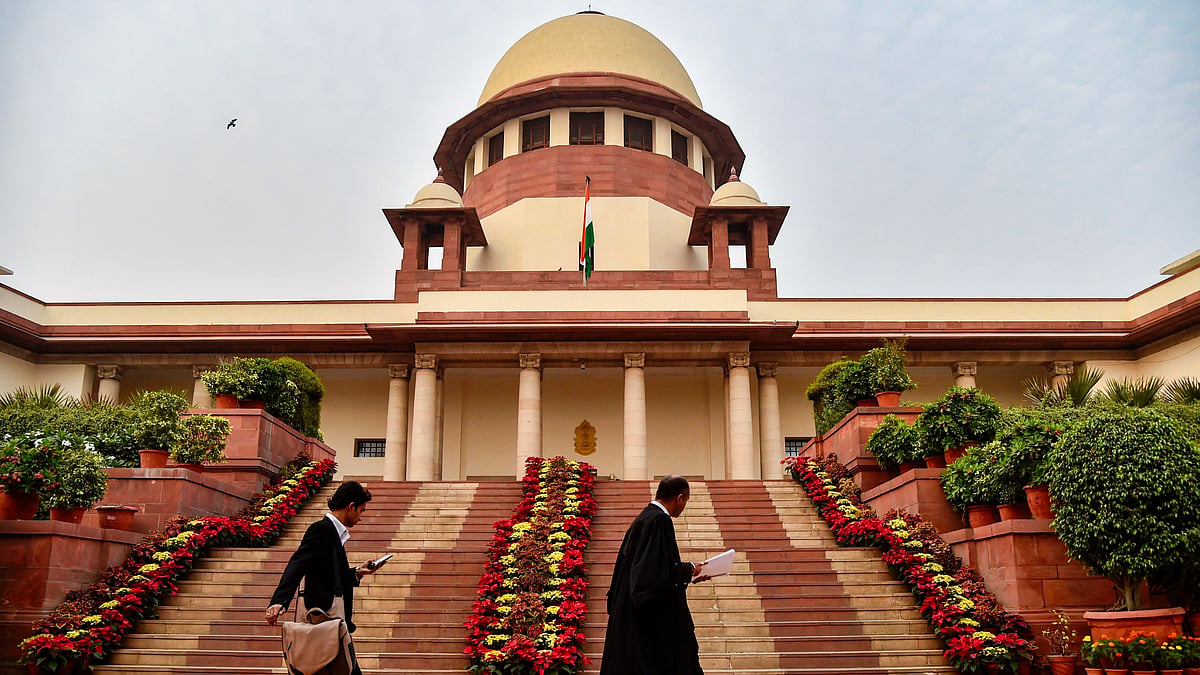
Lawyers Association for Constitution questions why Medha Roopam’s petitions were heard by a bench not ordinarily assigned preventive detention matters
Body also raises concerns over the muting of audio and restricted media access during the Supreme Court hearing
SC has since clarified that its stay covers strictures against Roopam and the Rs 5 lakh compensation order, not the quashing of Akriti Chaudhary’s NSA detention
A lawyers’ body has written to Chief Justice of India Surya Kant questioning what it described as the ‘out-of-turn’ listing of petitions filed by Gautam Buddh Nagar (Noida) district magistrate Medha Roopam, daughter of chief election commissioner Gyanesh Kumar, against an Allahabad High Court ruling over the detention of a student activist under the National Security Act (NSA).
The Lawyers Association for Constitution (LAFC), in an open letter dated 24 September, raised questions over the petitions being placed before a bench of Justices Satish Chandra Sharma and N. Kotiswar Singh despite preventive detention and habeas corpus matters being assigned to other benches under the Supreme Court’s roster. It also objected to audio from the proceedings being muted and media access to the video-conferencing feed allegedly being restricted during the hearing.
The association said the circumstances surrounding the listing gave an appearance of ‘special treatment’ and could set a ‘wrong precedent’. It pointed out that Roopam is the daughter of the CEC and argued that the circumstances therefore required greater transparency.
The allegations concern the Supreme Court proceedings arising from the detention of 25-year-old Akriti Chaudhary, a Delhi University graduate who was arrested following workers’ protests in Noida earlier this year.
Chaudhary was initially detained in April in connection with cases stemming from the protests, which were held in support of workers demanding higher wages. The Uttar Pradesh authorities subsequently invoked the NSA against her on 13 May.
On 2 September, a division bench of the Allahabad High Court comprising Justices Atul Sreedharan and Achal Sachdev quashed Chaudhary’s detention, finding serious infirmities in the invocation of the preventive detention law.
The high court held that the grounds used to justify her detention were arbitrary and vague and strongly criticised the conduct of the district administration and police. It also directed the Uttar Pradesh government to pay Chaudhary Rs 5 lakh as compensation and ordered that the amount be recovered from the salaries of Roopam and other officials found responsible for the detention.
The high court had also directed that its displeasure with the officials concerned be placed on their service records. In a broader criticism of the administration, it said civil servants owed their loyalty to the Constitution rather than the political executive and warned against arbitrary use of state power.
Roopam subsequently approached the Supreme Court challenging the ruling. The Uttar Pradesh government also moved the top court.
It is the manner in which those petitions reached the bench of Justices Sharma and Singh that the LAFC has now questioned. According to the association, the Supreme Court roster effective from 13 July assigns habeas corpus and preventive detention cases to the first four benches headed by CJI Surya Kant and Justices Vikram Nath, B.V. Nagarathna and M.M. Sundresh.
The association further pointed out that matters connected with the Noida workers’ protests had earlier been dealt with by a bench headed by Justice Nagarathna.
Against this backdrop, the LAFC sought to know why Roopam’s petitions were placed before the bench headed by Justice Sharma rather than one of the benches assigned such cases under the roster.
The lawyers’ body stressed that it was raising the issue because the allocation of cases and adherence to the roster are integral to public confidence in the judicial process. Its letter characterised the listing as ‘out-of-turn’ and questioned whether the petitions had been specially assigned.
The association separately flagged the restrictions it said were imposed on access to the proceedings. It alleged that the audio of the hearing was muted and that journalists were unable to access the video feed.
The LAFC argued that court proceedings are ordinarily open to lawyers, litigants and journalists and said transparency was particularly important in a case involving the use of a preventive detention law against participants in a workers’ protest.
The Supreme Court proceedings themselves have undergone a significant clarification since the hearing. On 23 September, the bench initially stayed the Allahabad High Court judgment while considering Roopam’s challenge. The scope of that order created the impression that the high court’s decision quashing Chaudhary’s NSA detention had also been put on hold.
The Supreme Court, however, issued a revised order on 24 September clarifying that its interim protection applied only to the portions of the high court judgment containing adverse strictures against Roopam and the direction concerning the Rs 5 lakh compensation.
As a result, the Allahabad High Court’s decision quashing Chaudhary’s detention under the NSA remains in force. The direction to recover compensation from Roopam and other officials, along with the adverse observations against the district magistrate, remains stayed pending further consideration of the case.
There was no reported response from the Supreme Court or Roopam to the allegations raised in the association’s letter at the time of writing.
Join our official telegram channel (@nationalherald) and stay updated with the latest headlines