Nation
Less than 1 pc of Bengal SIR appeals disposed in 100 days, reveals report
Around 30,000 of 33 lakh appeals decided by 19 tribunals, raising questions over pace of post-poll appellate process
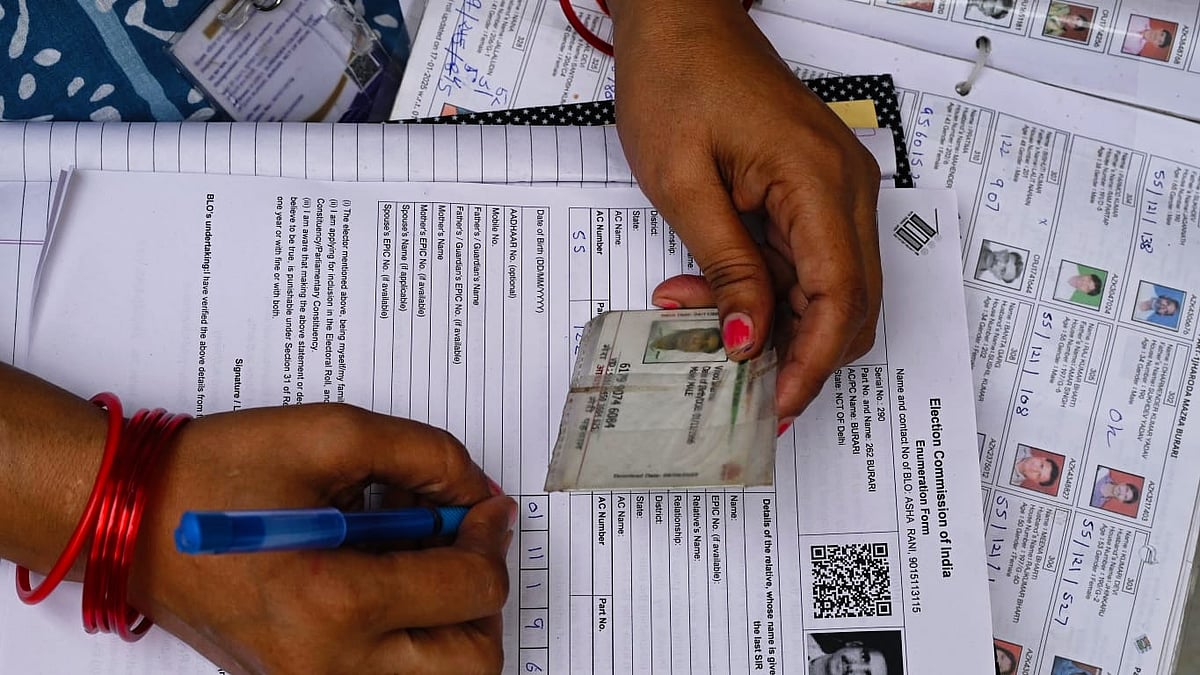
Nearly 100 days after appellate tribunals were set up to hear challenges arising from West Bengal's Special Intensive Revision (SIR) of electoral rolls, fewer than one per cent of the roughly 33 lakh appeals filed have been disposed of, according to a report by the Times of India.
The report said the 19 tribunals, each headed by a retired high court judge, have disposed of only about 30,000 appeals since becoming operational. At the current pace, it estimated, clearing the existing backlog could take more than 25 years.
The appellate mechanism was created following directions from the Supreme Court after the SIR exercise triggered widespread controversy over the deletion of voters from the electoral rolls ahead of the state's April Assembly elections. The apex court had sought to provide an independent judicial remedy for those aggrieved by decisions taken during the revision exercise.
The slow pace of disposal has been evident for weeks. Data reported earlier showed that by mid-May, only 6,581 appeals had been decided out of nearly 25 lakh filed at the time, amounting to just 0.26 per cent. The latest figures indicate that while the number of disposals has increased, the overwhelming majority of appellants are still awaiting a decision.
The SIR exercise, ordered by the Election Commission, culminated in the deletion of more than 27 lakh names from the electoral rolls before the Assembly polls. Acting under Article 142 of the Constitution, the Supreme Court had directed that appellate tribunals be constituted to hear appeals against the decisions of judicial officers tasked with adjudicating claims and objections during the revision. The court also clarified that only those whose appeals were decided in their favour before specified deadlines would be restored to the electoral rolls for voting.
The figures reported by The Times of India are likely to renew questions over the effectiveness of the appellate mechanism, particularly given the large number of appeals that remain pending months after the tribunals began functioning.
Join our official telegram channel (@nationalherald) and stay updated with the latest headlines