Nation
Maharashtra stays new RTI rules after Anna Hazare's protest threat
CM Fadnavis directs suspension of new rules proposing higher fees, mandatory ID proof and tighter application norms
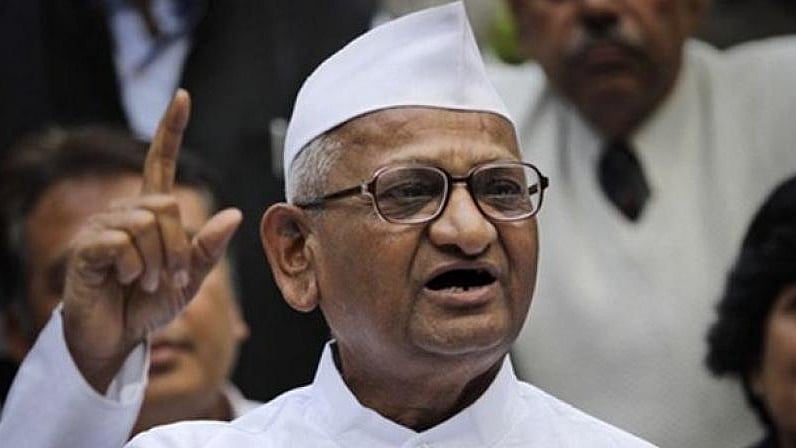
The Maharashtra government on Thursday stayed the implementation of the Maharashtra Right to Information Rules, 2026, following chief minister Devendra Fadnavis' intervention amid mounting criticism from transparency activists led by Anna Hazare.
The new rules, which proposed a higher application fee, mandatory proof of identity and citizenship, and restrictions on the scope of RTI applications, had been notified on 12 June and came into force immediately upon publication in the official gazette.
According to sources, Fadnavis directed the state's chief information commissioner to keep the new rules in abeyance.
The move comes after Hazare threatened to launch an indefinite hunger strike from 5 July if the government did not withdraw the amended rules, which he said diluted the spirit of the Right to Information Act and made it more difficult for citizens to access information.
Among the key changes proposed under the rules was an increase in the RTI application fee to Rs 30. Applicants would also have been required to pay Rs 5 per A4 page or scanned page of information. Inspection of records would have remained free for the first hour, after which a fee of Rs 50 per hour would apply. Applicants below the poverty line would have been exempt from the application fee, though charges would still apply for information exceeding 50 pages.
The rules also required applicants to submit a self-attested copy of a photo identity document establishing Indian citizenship along with every RTI application. Applications lacking such proof could be returned for compliance.
Another contentious provision stipulated that each RTI application should ordinarily be confined to a single subject and generally not exceed 150 words. Where multiple subjects were raised, the public information officer (PIO) could process only the first and ask the applicant to file separate applications for the remaining issues.
The rules further provided that where the requested information was already available on the website of the concerned public authority, the PIO could direct applicants to access it online instead of supplying copies.
In addition, they proposed a fee of Rs 50 for filing a first appeal before the first appellate authority and Rs 100 for a second appeal before the Maharashtra State Information Commission. The rules also envisaged physical as well as video-conference hearings.
Hazare, in a memorandum to Fadnavis, alleged that the rules had been framed without public consultation and introduced unnecessary procedural hurdles, higher costs and a more cumbersome appeals process, thereby weakening transparency and accountability. He urged the government to withdraw the notification and frame fresh rules after consulting RTI experts, Information Commissioners, lawyers, journalists, social activists and citizens.
With PTI inputs
Join our official telegram channel (@nationalherald) and stay updated with the latest headlines