Nation
NSA quashed, but Aakriti Chaudhary may not walk out of jail for a while
The DU graduate was detained over her alleged role in the Noida workers’ protest; but quashing of NSA is only part of the story
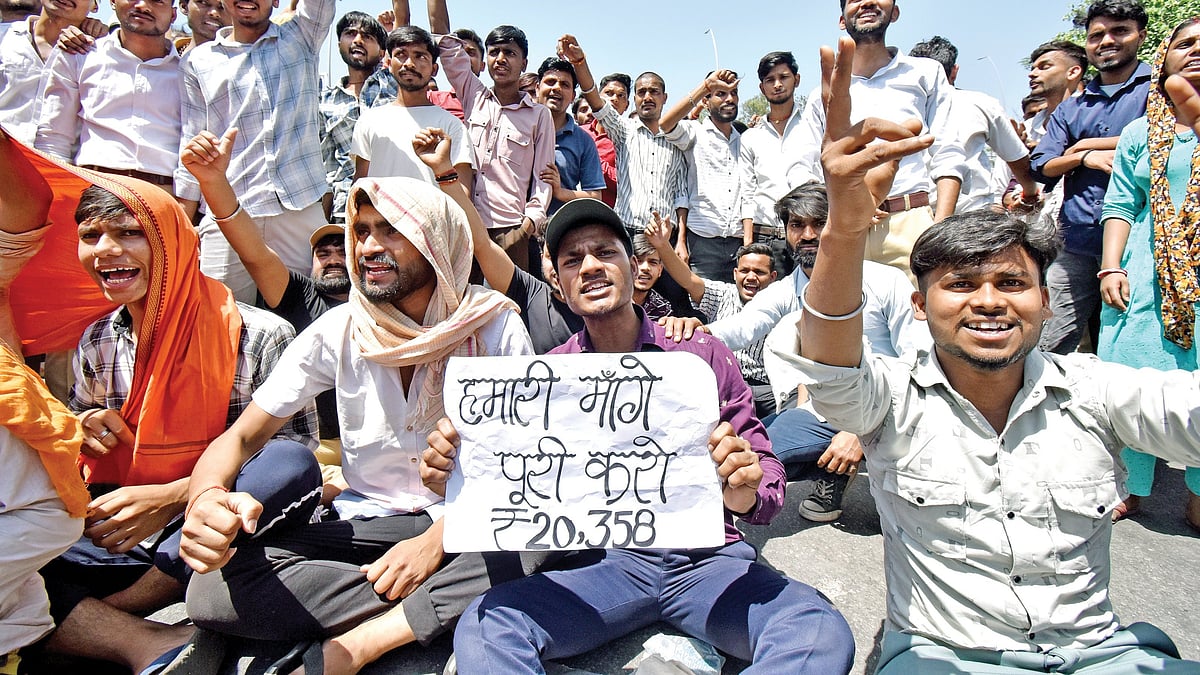
On Wednesday, 2 September, Allahabad High Court quashed the National Security Act detention of 25-year-old Delhi University graduate Aakriti Chaudhary, calling the State’s case against her a “concocted story”. But the ruling may not immediately set her free: Chaudhary, who has spent around five months in custody over the Noida workers’ protest, remains accused in 11 FIRs and has so far secured bail in only five of them. The court ordered her immediate release only if she was not required in any other case.
The court also ordered Rs 5 lakh in compensation to Chaudhary, with the amount to be recovered from the salaries of officials involved in the detention process, from the station house officer to the district magistrate.
The district magistrate in question is Medha Roopam, the 2014-batch IAS officer who became Gautam Buddh Nagar’s first woman DM in July 2025. Roopam is also the daughter of chief election commissioner Gyanesh Kumar, a detail that had earlier drawn political attention during the Noida workers’ agitation.
The ruling came after a division bench of Justices Atul Sreedharan and Achal Sachdev scrutinised the circumstances of Chaudhary’s arrest and the subsequent invocation of the NSA. The State had alleged that she had instigated workers to indulge in arson and stone-pelting during the 13 April violence. But the bench questioned the evidence supporting the allegation and sought material, including video evidence, showing Chaudhary inciting the mob.
The court also flagged apparent procedural inconsistencies in the State’s account. The government said Chaudhary had been arrested at 10.56 am on 12 April and that the requisite BNSS notice had been issued. The bench, however, examined the general diary entry and questioned whether she had already been arrested before the notice was prepared, raising doubts about the chronology and legality of the process.
Chaudhary was arrested in connection with cases arising from the workers’ agitation in Noida, where thousands of industrial workers had been demanding higher wages and better working conditions. The protests turned violent on 13 April, with incidents of stone-pelting, vandalism and arson reported in parts of the industrial belt. Police subsequently alleged that the violence had been instigated and that Chaudhary and activist-journalist Satyam Verma had played a role in it. The NSA was invoked against the two in May.
For Chaudhary, therefore, Wednesday’s ruling is both a major legal victory and an incomplete release. The high court has struck down the preventive detention that kept her in custody for months, rejected the State’s version of the case as “concocted” and ordered compensation. But unless she secures bail in the remaining criminal cases, she could continue to remain behind bars despite the NSA detention having been quashed.
The judgment also puts the conduct of the local administration under an unusually sharp spotlight: the State must compensate a young activist for an NSA detention the high court has found unsustainable, while the financial burden is to be recovered from the officials who were part of the chain that led to her detention.
Join our official telegram channel (@nationalherald) and stay updated with the latest headlines