Nation
Private access to EPFO and income tax data ‘worrisome’, says Supreme Court
The court asked the Centre to consult experts and devise safeguards against the unauthorised commercial use of personal information
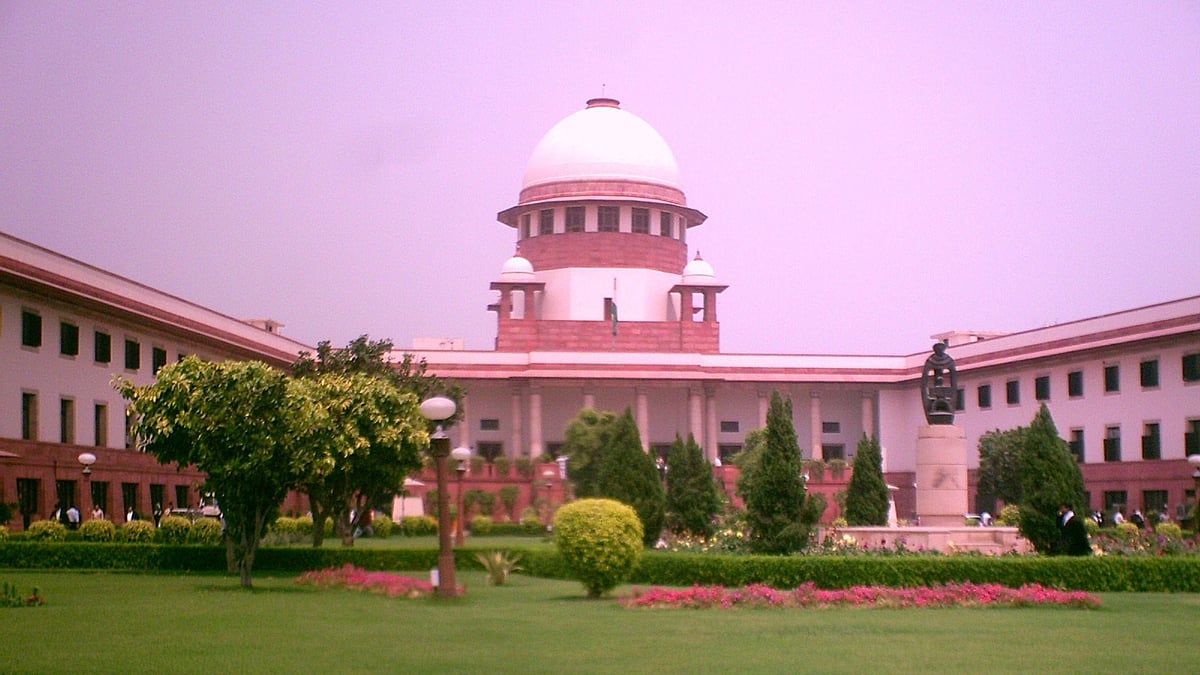
The Supreme Court has expressed concern over private companies allegedly gaining access to sensitive information held in Employees’ Provident Fund Organisation and income tax records and asked the Centre to take steps to prevent its misuse.
A bench comprising Chief Justice of India Surya Kant and Justices Joymalya Bagchi and V. Mohana on Monday flagged the emergence of a commercial technology ecosystem capable of accessing, retrieving and verifying personal employment and financial information.
Although the court declined to entertain the public interest litigation, it said the alleged private access to data supplied by citizens to government authorities under statutory requirements was “worrisome”.
The bench observed that the matter largely fell within the government’s policy domain and suggested that the Centre consult domain experts to devise an effective protective mechanism.
The petition raised concerns about private companies accessing and commercially exploiting information that individuals are legally required to submit to public authorities.
During the hearing, the petitioner said a personal inquiry had shown that providing a Permanent Account Number and Universal Account Number to a private verification service resulted in the retrieval of a complete employment history linked to those identifiers.
The process allegedly did not require a one-time password, explicit consent or any visible authorisation-based identity check.
No allegation was made that a government agency had leaked the information. The petition instead questioned how statutory employment and financial records could allegedly be accessed by private services without adequate safeguards.
According to the plea, employment verification companies may be using such information to check job histories, identify simultaneous employment, profile workers and assist employers in making recruitment decisions.
The petitioner argued that the alleged access and processing of the data raised significant privacy concerns because individuals may be unaware that their information is being retrieved or commercially used.
Taking note of the submissions, the Supreme Court asked the Union Government to consider appropriate measures to prevent private enterprises from misusing personal data.
With PTI inputs
Join our official telegram channel (@nationalherald) and stay updated with the latest headlines