Nation
Gehlot flags cattle deaths in Rajasthan, questions delay in drought relief
Former CM cites fodder and water shortages in western districts, seeks drought declaration and immediate opening of relief centres
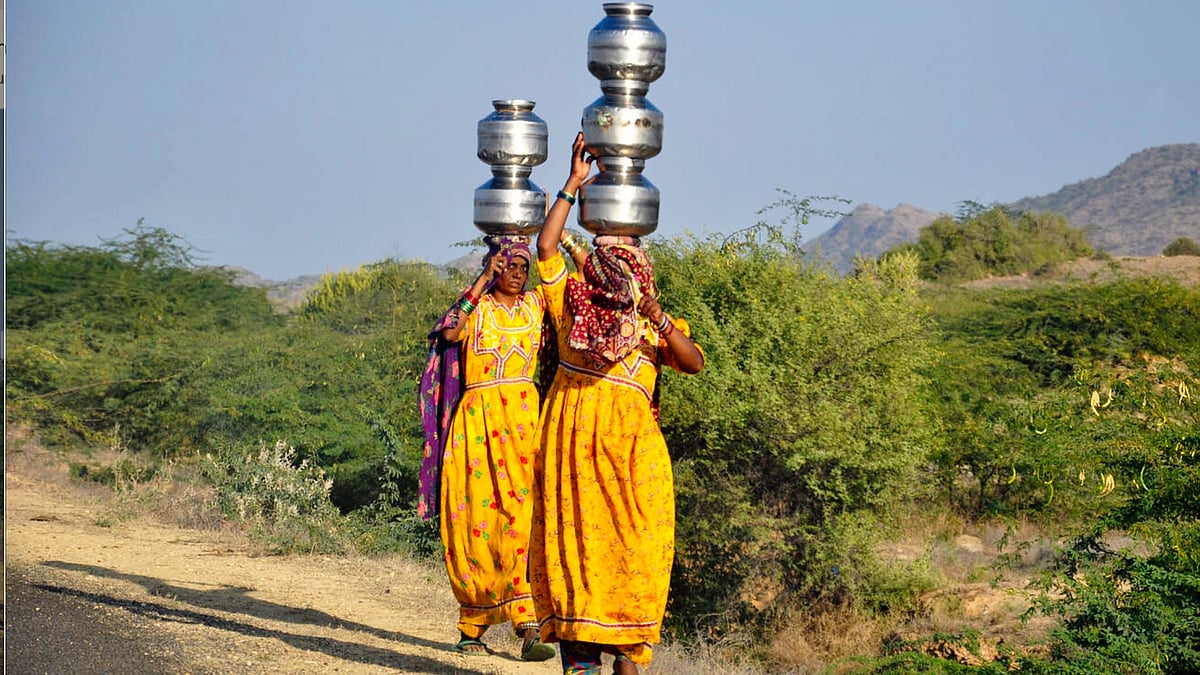
Ashok Gehlot claims cattle deaths and acute fodder and water shortages in western Rajasthan, calls for immediate drought declaration.
Questions delays in opening fodder depots and cattle camps despite state government’s announcements.
State has announced tanker-based water supplies until 31 December, while Gehlot demands urgent relief for livestock owners and gaushalas.
Former Rajasthan chief minister Ashok Gehlot on Thursday, 8 October accused the BJP-led state government of delaying relief measures in drought-hit parts of western Rajasthan, alleging that cattle were dying amid acute shortages of fodder and drinking water. He demanded an immediate drought declaration in the affected areas, the opening of fodder depots and cattle camps, and emergency water supplies through tankers.
In a statement, Gehlot said that despite chief minister Bhajanlal Sharma announcing fodder depots in Barmer on 30 September, neither the depots nor cattle relief camps had been opened even after eight days.
He said the local administration in Gadra Road had submitted proposals to establish fodder depots in 23 patwar circles, but approvals were still pending.
Questioning the delay, Gehlot asked why the government had not made the necessary preparations before the election model code of conduct came into force. He also questioned why it had not sought the Election Commission of India’s permission to implement relief measures after the code became applicable.
The Congress leader cited accounts from local residents to claim that cattle had died in dozens of villages, fodder prices had tripled and animals were being forced to eat plastic and garbage because of the scarcity of feed.
He also highlighted the financial strain on gaushala (cattle shelter) operators, claiming they were spending Rs 100-150 a day on each large animal, against government assistance of Rs 50. Delays in the release of grants had further compounded their difficulties, he alleged.
Gehlot claimed that even the BJP MLA from Jaisalmer had called for an immediate drought declaration, suggesting that concern over the situation extended beyond the Opposition.
The Congress leader has also pointed to the scale of the crisis across western Rajasthan. Citing drought-like conditions, he referred to around 2,000 villages in Jodhpur, 2,460 in Barmer, 1,216 in Balotra and 961 in Jaisalmer as being affected. He warned that drinking water, fodder availability and employment could become increasingly pressing concerns if relief was delayed.
The state government, meanwhile, has announced emergency drinking water arrangements in areas that received inadequate rainfall, with tanker supplies set to continue until 31 December. Sharma has also announced fodder depots in Barmer, Balotra, Jaisalmer and other affected areas. The implementation of these announcements has become a central point of Gehlot’s criticism.
Gehlot urged the government to move beyond announcements and ensure relief reached affected villages. He called for a formal drought declaration in the worst-hit areas, the immediate opening of fodder depots and cattle camps, and the deployment of water tankers to ensure drinking water for both people and livestock.
Western Rajasthan’s arid climate makes livestock particularly vulnerable during prolonged dry spells. For cattle-rearing communities, a shortage of fodder and water can quickly increase the cost of maintaining animals and place additional pressure on households and gaushalas. Delays in relief can deepen these difficulties, particularly when fodder prices rise and public assistance falls short of operating costs.
With PTI inputs
Join our official telegram channel (@nationalherald) and stay updated with the latest headlines