Nation
Refusal to marry cannot by itself amount to abetment of suicide: SC
The case arose from the suicide of a woman who had been living with the first appellant, her alleged lover, for around three months
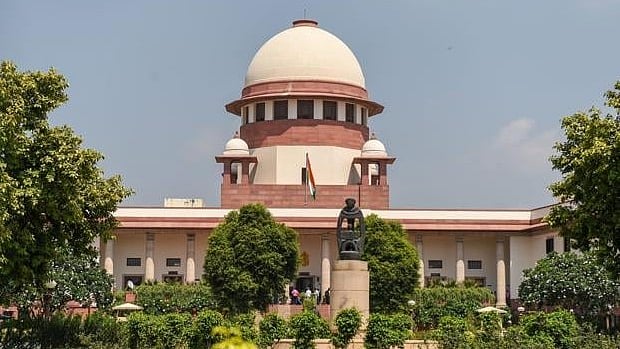
Supreme Court quashes proceedings against six accused, ruling that a refusal to marry after a consensual relationship cannot, by itself, amount to abetment of suicide
Bench finds no evidence of instigation, noting that the woman’s suicide followed the alleged refusal to marry, but there was no material to show the accused intended or knew that their actions would drive her to take her own life
Court orders release of accused if in custody, cancelling their bail bonds if already on bail, and quashes the proceedings in Sessions Case No. 101 of 2024
The Supreme Court has quashed criminal proceedings against six persons accused of abetting the suicide of a woman after her lover allegedly refused to marry her, holding that a refusal to marry following a consensual relationship cannot, by itself, constitute abetment to suicide.
A Bench of justices J.B. Pardiwala and K. Vinod Chandran set aside the proceedings pending before the II additional senior civil judge-cum-additional chief judicial magistrate, Medchal-Malkajgiri district, at Kushaiguda in Telangana, observing that there was no material to establish any instigation by the accused that could have driven the woman to take her own life.
The case arose from the suicide of a woman who had been living with the first appellant, her alleged lover, for around three months. Her siblings alleged that the man subsequently refused to marry her, following which she died by suicide.
The FIR was registered on the basis of a statement given by the woman’s sister. According to the prosecution, the woman had been living with the first appellant at his house and their relationship was consensual.
The prosecution alleged that the first appellant’s friend had spoken ill of the woman, while his sister and parents had opposed the relationship. It was further alleged that the sister’s prospective bridegroom had refused to marry her if the first appellant married the deceased, resulting in pressure on the relationship.
The Supreme Court noted that before taking her own life, the woman had called her eldest sister and told her that the first appellant had refused to marry her. However, the Bench found no material to establish that any of the accused had instigated her to commit suicide.
“We are unable to find any instigation by the accused/appellants to drive the deceased to death by suicide. It was neither intended nor can it be said to be abetment,” the Bench said.
The court observed that even if the allegations made by the informant were accepted in their entirety, the case at its highest involved a refusal to marry, which was followed by the woman’s suicide.
“At the worst, even if we fully believe what has been stated by the 1st informant, there was a refusal of marriage, which led to the woman committing suicide,” it said.
The Bench stressed that people respond differently to difficult situations and that a suicide following a breakup cannot automatically be characterised as abetment.
“People react differently to situations, and if a breakup ends up with suicide, it cannot always be termed an abetment to suicide,” the court said.
It further held that the refusal to marry was neither intended to drive the woman to suicide nor could the accused be attributed with knowledge that she would take her own life following the refusal.
“The refusal to marry was not with an intention to drive the woman to death by suicide, nor can knowledge be attributed to the accused that on such refusal, she would commit suicide,” the Bench said.
The court also questioned why the woman had been taken away from the first appellant’s house when the relationship was consensual and had been accepted by his family.
It noted that the woman had subsequently informed her eldest sister of her intention to end her life, but no steps appeared to have been taken to avert the threatened suicide.
“We are unable to sustain the prosecution initiated against the accused on such frivolous allegations, and we quash the proceedings in Sessions Case No.101 of 2024,” the Bench said.
The Supreme Court directed that the accused, if in custody, be released forthwith unless required in any other case. It also ordered that their bail bonds stand cancelled if they were already on bail.
With PTI inputs
Join our official telegram channel (@nationalherald) and stay updated with the latest headlines