Nation
Rupee hits record low as CEA warns halting further slide is FY27’s ‘central macroeconomic imperative’
Remarks come amid Modi’s austerity appeal, rising oil prices and fears of prolonged Balance of Payments stress
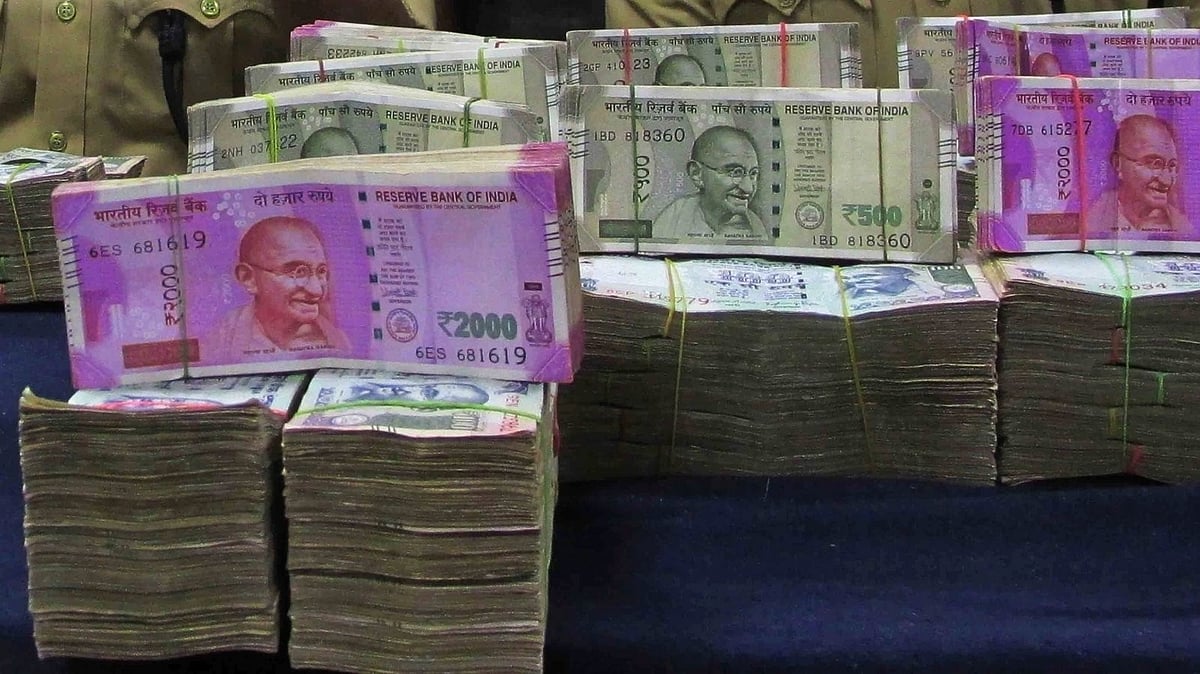
On a day when the rupee hit a fresh all-time low of 95.75 against the US dollar before closing at a record low of 95.63, Chief Economic Advisor V. Anantha Nageswaran warned that preventing further depreciation of the currency had become one of the government’s key macroeconomic priorities for FY27.
Speaking at the annual summit of the Confederation of Indian Industry in New Delhi, Nageswaran said, “Managing the current account credibly, financing it, and preventing further currency depreciation are the central macroeconomic imperatives of FY27.”
The remarks come amid mounting economic pressure triggered by the ongoing conflict in West Asia, which has sharply increased crude oil and fertiliser prices and intensified pressure on India’s external finances. Nageswaran described India’s exposure to the crisis as “structural” and called it a “live Balance of Payments stress test”.
The rupee has now fallen nearly 5 per cent against the dollar since the outbreak of the West Asia war and is Asia’s worst-performing currency in 2026 so far, having weakened around 6 per cent during the year.
Modi’s austerity appeal rattles markets
Nageswaran’s warning came days after Prime Minister Narendra Modi urged citizens to adopt austerity measures, including reducing fuel consumption, postponing foreign travel and avoiding gold purchases for a year to conserve foreign exchange reserves.
The Prime Minister also advocated reviving Covid-era practices such as work-from-home and virtual meetings to reduce import-intensive spending.
Economists and market analysts interpreted Modi’s appeal as a sign of increasing concern within the government over India’s external account pressures and weakening currency.
According to economists at Nomura, the Prime Minister’s comments indicated that pressure on government finances and the rupee was “reaching a tipping point”.
BoP pressures intensify
India’s Balance of Payments position has come under pressure because of rising import costs, slowing exports, subdued foreign direct investment and concerns over remittance flows from West Asia.
Foreign Portfolio Investors have reportedly withdrawn around USD 23 billion from Indian financial markets since the start of the conflict, worsening pressure on the rupee.
Economists at BofA Securities warned that India’s current account deficit could exceed 2 per cent of GDP in FY27 — a level the Reserve Bank of India has historically viewed as difficult to sustain over the long term.
Nageswaran said the rise in Brent crude prices, fertiliser inputs such as urea and ammonia, and other energy-linked commodities was not merely a temporary disruption but reflected deeper structural changes in the global economy.
He identified geoeconomic fragmentation, technology bifurcation, energy transition costs and geopolitical risk repricing as long-term shifts reshaping the global order, warning that emerging economies could not assume a return to the pre-2020 economic environment.
Join our official telegram channel (@nationalherald) and stay updated with the latest headlines