Nation
Srinagar records season’s coldest night at -2°C as chill intensifies across Kashmir
Dry weather is expected until 3 December, followed by western disturbances bringing rain and snow until 10 December
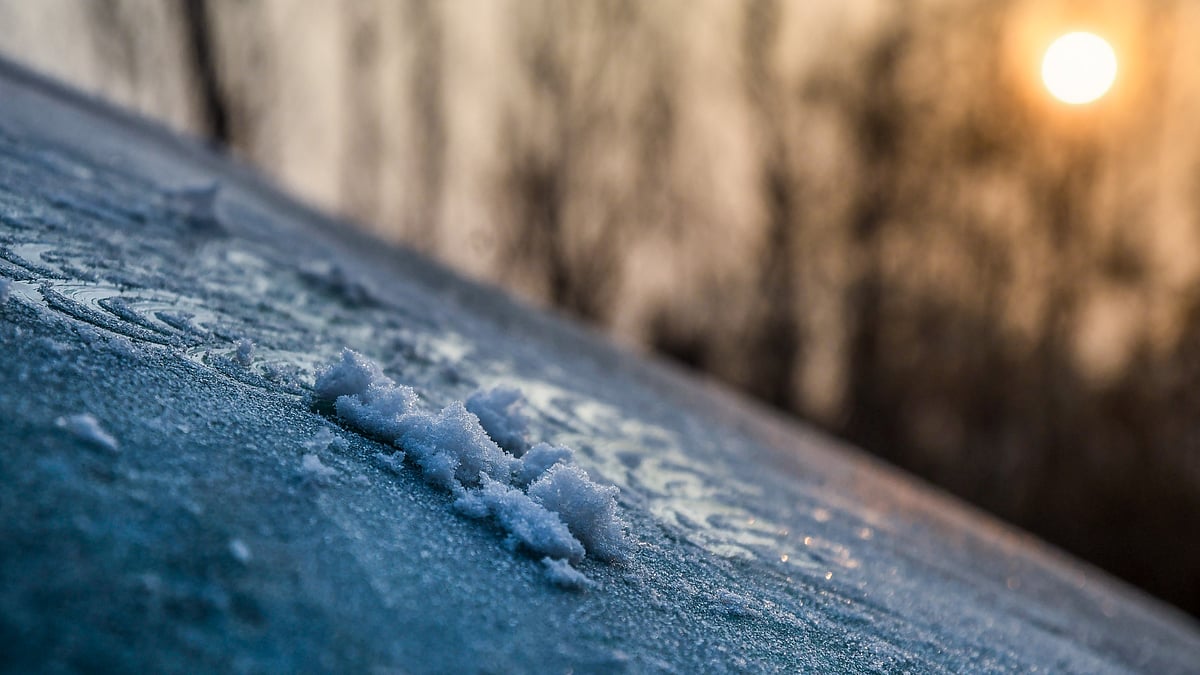
Srinagar records the season’s coldest night at -2°C, with clear skies likely to bring further temperature drops
Dry weather is expected until 3 December, followed by western disturbances bringing rain and snow until 10 December
Kashmir prepares for the 40-day Chillai Kalan, beginning 21 December, as residents brace for harsher winter conditions
Srinagar recorded its coldest night of the season so far on Friday, with the minimum temperature dropping to minus 2 degrees Celsius as cold conditions tightened their grip on the Kashmir Valley.
A Meteorological Department official said the minimum temperature had fallen to minus 2 degrees Celsius, adding that clear night skies could lead to a further drop in temperatures over the coming days.
The official said dry weather is likely to prevail across the region until 3 December. However, a western disturbance is expected to affect the region after 3 December, followed by another system, bringing wet and unsettled weather conditions until 10 December.
Western disturbances are extra-tropical weather systems originating over the Mediterranean region that bring rain and snowfall to parts of the Indian subcontinent. Their activity is particularly important for the Rabi crop, which depends significantly on winter precipitation.
The sharp fall in night temperatures has led to frost formation on vehicle windshields and exposed surfaces in Srinagar and other parts of the Valley.
Among the popular tourist destinations, Gulmarg recorded a minimum temperature of 1 degree Celsius, while Pahalgam registered minus 2.8 degrees.
In the Jammu region, the minimum temperature stood at 10.9 degrees Celsius in Jammu city, 10 degrees in Katra, 6.6 degrees in Batote, 4.8 degrees in Banihal and 2.8 degrees in Bhaderwah.
Meanwhile, Kashmir is approaching Chillai Kalan, the 40-day period of the harshest winter cold, which begins on 21 December and continues until 30 January.
During this period, temperatures often plunge to minus 7 degrees Celsius at night, while daytime temperatures generally remain around 7 degrees, making it the coldest phase of winter in the Valley.
To cope with the freezing conditions, Kashmiris traditionally wear the Pheran, a loose, long tweed garment that helps retain body heat. Many residents, particularly in rural areas, also rely on the Kangri — an earthen firepot encased in woven willow wicker and filled with live charcoal — to stay warm.
The traditional heating method remains widely used amid concerns over erratic electricity supply and the rising cost of operating electric heating appliances.
With IANS inputs
Join our official telegram channel (@nationalherald) and stay updated with the latest headlines