Nation
Two Indian tankers carrying day's LPG supply sail through Hormuz
From hotel shutdown warnings to wood-fired kitchens at Vidhan Sabha caterer, fuel squeeze hits daily operations
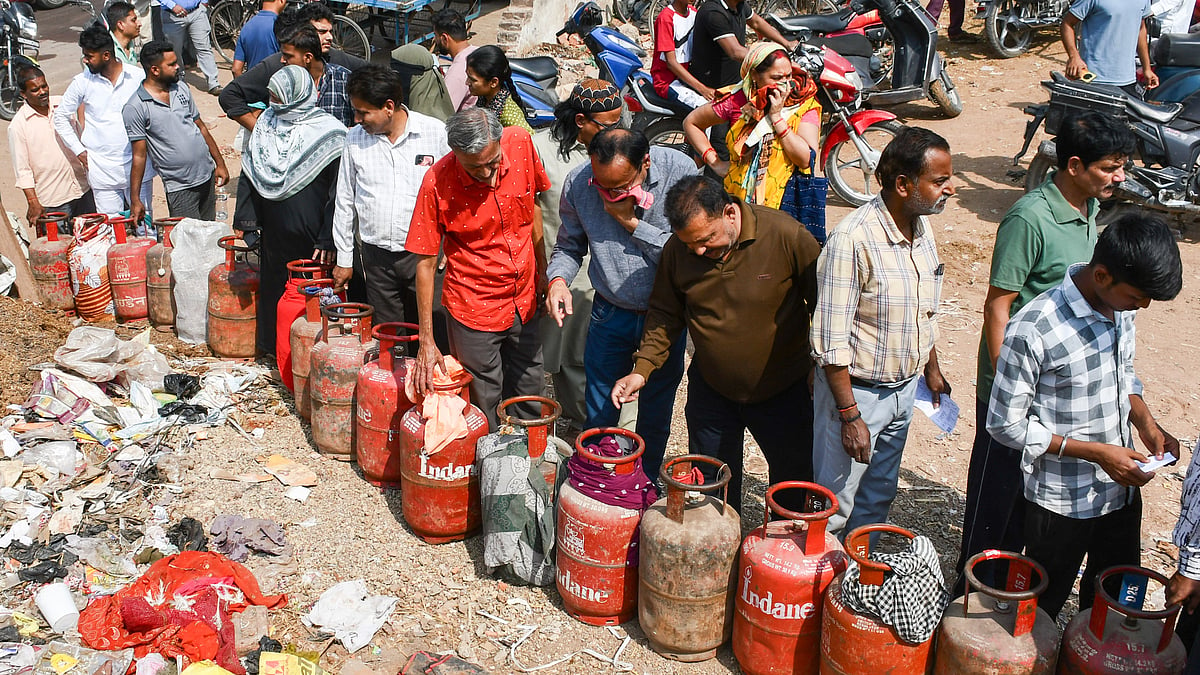
Two more Indian-flagged LPG tankers carrying roughly a day’s supply of the country’s cooking gas have safely navigated the war-hit Strait of Hormuz, offering limited relief as supply disruptions linked to the West Asia conflict continue to affect domestic availability.
The vessels Pine Gas and Jag Vasant, transporting about 92,000 tonnes of LPG, were among several Indian ships stranded in the Gulf after the conflict sharply curtailed movement through the narrow waterway between Iran and Oman that connects Gulf energy producers to global markets. India imports about 60 per cent of its LPG through the strait, with as much as 85–95 per cent of some gas supplies dependent on the route.
Even as some vessels begin moving again, the supply squeeze has already begun to reshape consumption patterns across sectors.
Hotels and restaurants in several cities have reported difficulties securing commercial cylinders, forcing menu reductions and shorter operating hours. Industry bodies have warned that continued disruption could affect food supply chains and event catering schedules.
Some caterers have simplified menus to reduce fuel consumption, cutting back on items that require continuous high flame cooking. Factory canteens and roadside eateries in some regions have also scaled down fried items or shifted temporarily to alternative cooking arrangements.
Reports from multiple urban centres indicate longer waiting times for cylinder deliveries and higher costs in the informal market, with commercial users often facing tighter supply constraints than households.
Against this backdrop, the LPG squeeze has forced even the Himachal Pradesh Vidhan Sabha’s official caterer to revert to traditional wood-fired stoves.
Hotel Holiday Home (HHH), run by the Himachal Pradesh Tourism Development Corporation and responsible for serving meals to legislators during the Budget Session, has brought back chulhas to cope with limited gas availability.
Kitchen supervisor Arun Dulta said cooks now begin preparations at 7.00 am, feeding firewood into a seven-metre-long chulha capable of cooking four dishes simultaneously. “Traditional practices are more time-consuming, and take three hours more to prepare food for 600-700 people, including those eating lunch in Vidhan Sabha,” Dulta said.
High-flame dishes such as Chinese cuisine have been removed from the menu because they require steady LPG supply. The focus has shifted to Indian staples such as rajma, dal, kadhi, paneer dishes, vegetables, roti and rice. The hotel has also engaged additional cooks and helpers to manage the longer cooking process, sourcing firewood from depots to sustain operations.
Kitchen staff say the slower cooking method enhances flavour. Food prepared on chulhas — locally called char — is considered more flavourful because of gradual heating.
The return of wood-fired cooking in institutional kitchens illustrates how disruptions in shipping through Hormuz are beginning to affect everyday consumption patterns in India.
Shipping authorities say movement of stranded vessels has begun gradually, but supply conditions may remain tight until all tankers awaiting clearance are able to transit safely and inventories stabilise.
With PTI inputs
Join our official telegram channel (@nationalherald) and stay updated with the latest headlines