Nation
US DOJ says Adani charges should never have been filed, defends bid to drop case
In a submission to a New York court, the Justice Department says the prosecution was legally flawed, centred on conduct in India and involved no proven investor losses
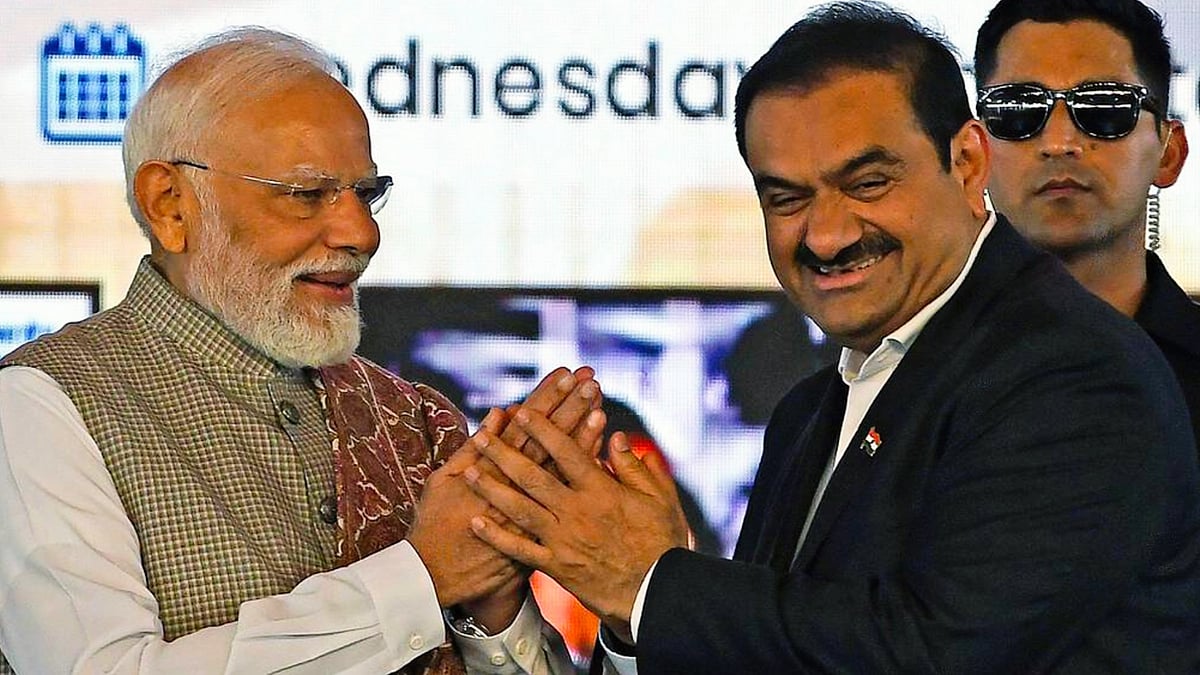
The US Department of Justice has defended its decision to seek dismissal of the criminal case against Gautam Adani and seven co-defendants, telling a federal court that the prosecution was fundamentally flawed and should not have been initiated in the first place.
In a filing before the US District Court for the Eastern District of New York, Principal Associate Deputy Attorney General R Trent McCotter responded to the court’s 26 June order asking the department to explain why it wanted the case dismissed with prejudice — a move that would bar the charges from being brought again. Judge Nicholas Garaufis had earlier said the government’s initial request was too cursory and lacked adequate factual reasoning.
The Justice Department argued that motions to drop criminal charges are normally brief because forcing prosecutors to spell out their reasoning in detail could expose internal deliberations and undermine the Executive Branch’s constitutional authority over prosecutorial decisions. Even so, McCotter said the department was making a “limited waiver” of privilege to explain why it had concluded, after months of review, that the case could not be sustained.
At the heart of the government’s argument is its claim that the alleged misconduct took place overwhelmingly in India and was therefore not an appropriate case for US prosecutors to pursue. The filing describes the matter as “a foreign case” and says India is better placed to deal with alleged wrongdoing tied to its own institutions and public officials. It also notes that Indian authorities have examined many of the allegations and, through reports and decisions issued this year, found no actionable misconduct, according to the department’s account.
The filing further says the prosecution was weakened by practical and evidentiary problems. It argues that investors did not suffer financial losses because two of the debt offerings cited in the case have already been repaid in full, while the remaining notes continue to be serviced without any indication of default. It also says key witnesses and much of the documentary evidence are located in India, making any US prosecution significantly more difficult.
The department additionally points out that none of the defendants has appeared before the New York court and that, as foreign nationals living outside the United States, they are unlikely to do so.
On the securities fraud counts against Gautam Adani, Sagar Adani and another defendant, the department says the charges “should never have been brought”. It argues that the alleged conduct occurred almost entirely outside the United States and raised serious jurisdictional questions under American securities law. It also says many of the statements relied on by prosecutors were broad corporate claims about ethics and compliance that courts have often treated as non-actionable “puffery”.
As for the Foreign Corrupt Practices Act counts against the remaining defendants, the Justice Department says the case did not satisfy current departmental priorities, which focus on conduct affecting US national interests, organised crime, national security or substantial harm to American companies. According to the filing, the alleged conduct did not implicate any of those concerns.
The department also pushed back against reports suggesting that the move to drop the case may have been linked to prospective Adani investments in the United States. McCotter flatly rejected that claim in the filing, saying suggestions that the dismissal was influenced by investment promises were “false”.
The case stems from allegations that Adani and others were involved in a bribery scheme linked to solar power contracts in India and misled US investors while raising funds in American markets. The Justice Department had moved in May to dismiss the charges with prejudice, but the court sought a fuller explanation before deciding whether to approve the request.
With IANS inputs
Join our official telegram channel (@nationalherald) and stay updated with the latest headlines