Nation
West Bengal officers flag concerns over large-scale voter deletions in draft rolls
Association questions system-driven process, says statutory role of EROs was bypassed
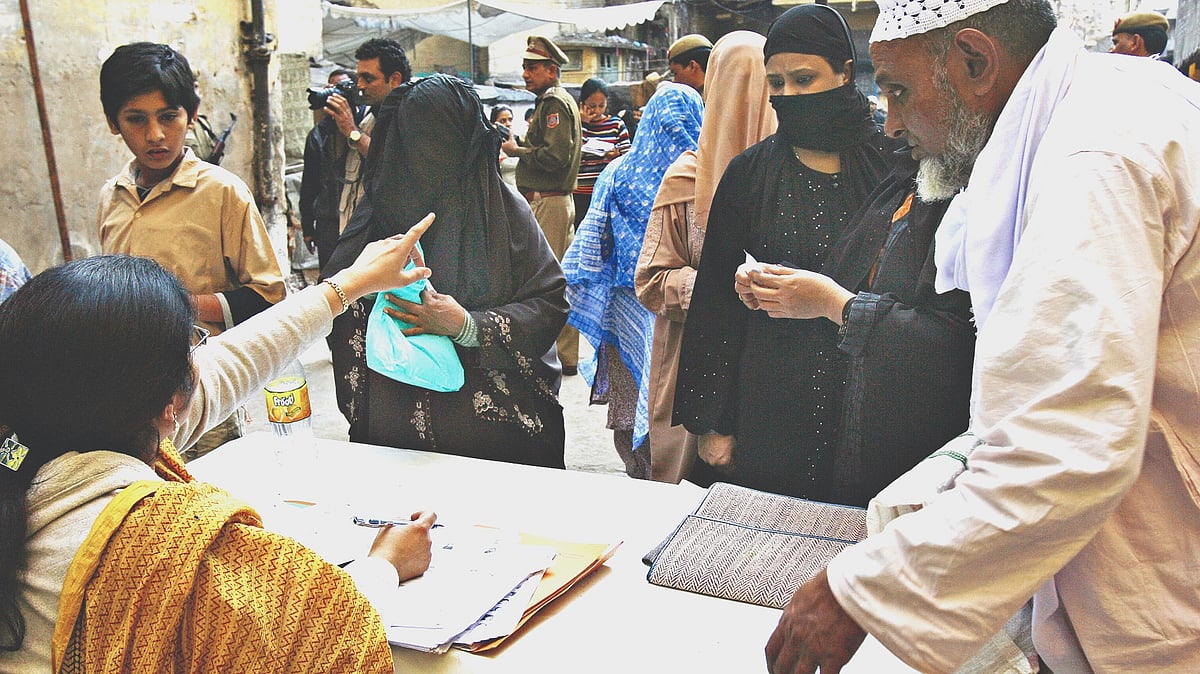
An association of West Bengal government officers has raised serious objections to what it described as “suo motu, system-driven deletion” of voters’ names from the state’s draft electoral rolls during the ongoing Special Intensive Revision (SIR), officials said on Saturday.
In a representation to the state’s Chief Electoral Officer (CEO), Manoj Kumar Agarwal, the WBCS (Executive) Officers’ Association said a significant number of electors had been removed from the draft rolls despite their enumeration forms not being returned for reasons such as death, migration, absence or duplication.
The Election Commission published West Bengal’s draft electoral rolls on December 16 after the SIR exercise, deleting the names of more than 58 lakh voters on grounds including death, migration and non-submission of enumeration forms.
Referring to existing legal provisions, the officers’ association said the law allows deletion of a voter’s name only on specific grounds, such as when an individual is no longer ordinarily resident in a constituency or is otherwise not entitled to be registered there.
The association stressed that under Section 22 of the Representation of the People Act, 1950, any such deletion requires the concerned electoral registration officer (ERO) to give the elector a reasonable opportunity to be heard before a final decision is taken.
It argued that the large-scale, system-led deletions appeared to infringe upon the rights of voters who might still be eligible under the law but were unable to participate in the enumeration process for various reasons.
The association also warned that deletions could be carried out without the knowledge of EROs, even though they are the statutory authorities responsible for maintaining electoral rolls. This, it said, created a situation where EROs could be held accountable for deletions over which they had no control or opportunity to exercise their quasi-judicial responsibilities.
While acknowledging the Election Commission of India’s constitutional authority to issue directions for electoral revisions, the officers’ body said affected voters were likely to blame EROs for the deletions, unaware that they had been excluded from the decision-making process.
Seeking corrective steps, the association urged the state CEO to issue clear directions to ensure EROs can perform their duties with greater clarity and in accordance with statutory provisions during the revision of electoral rolls.An association of West Bengal government officers has raised serious objections to what it described as “suo motu, system-driven deletion” of voters’ names from the state’s draft electoral rolls during the ongoing Special Intensive Revision (SIR), officials said on Saturday.
In a representation to the state’s Chief Electoral Officer (CEO), Manoj Kumar Agarwal, the WBCS (Executive) Officers’ Association said a significant number of electors had been removed from the draft rolls despite their enumeration forms not being returned for reasons such as death, migration, absence or duplication.
The Election Commission published West Bengal’s draft electoral rolls on December 16 after the SIR exercise, deleting the names of more than 58 lakh voters on grounds including death, migration and non-submission of enumeration forms.
Referring to existing legal provisions, the officers’ association said the law allows deletion of a voter’s name only on specific grounds, such as when an individual is no longer ordinarily resident in a constituency or is otherwise not entitled to be registered there.
The association stressed that under Section 22 of the Representation of the People Act, 1950, any such deletion requires the concerned electoral registration officer (ERO) to give the elector a reasonable opportunity to be heard before a final decision is taken.
It argued that the large-scale, system-led deletions appeared to infringe upon the rights of voters who might still be eligible under the law but were unable to participate in the enumeration process for various reasons.
The association also warned that deletions could be carried out without the knowledge of EROs, even though they are the statutory authorities responsible for maintaining electoral rolls. This, it said, created a situation where EROs could be held accountable for deletions over which they had no control or opportunity to exercise their quasi-judicial responsibilities.
While acknowledging the Election Commission of India’s constitutional authority to issue directions for electoral revisions, the officers’ body said affected voters were likely to blame EROs for the deletions, unaware that they had been excluded from the decision-making process.
Seeking corrective steps, the association urged the state CEO to issue clear directions to ensure EROs can perform their duties with greater clarity and in accordance with statutory provisions during the revision of electoral rolls.
With PTI inputs
Join our official telegram channel (@nationalherald) and stay updated with the latest headlines