Nation
What makes IndiGo the biggest casualty of the new pilot fatigue norms?
What other rival carriers could manage became unworkable across IndiGo’s vast network
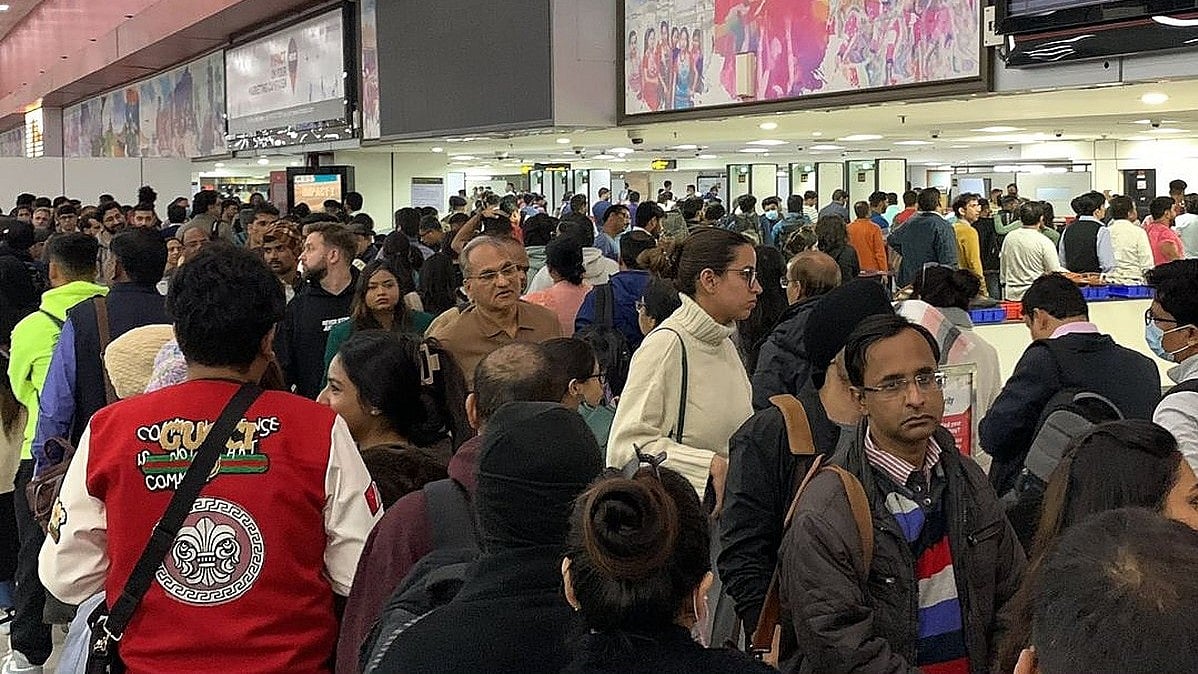
The revised Flight Duty Time Limitations (FDTL) norms have disrupted IndiGo more than any other airline because they collide directly with the scale and operating model of India’s largest carrier. With over 2,200 flights a day, twice the volume of Air India, IndiGo’s network runs on tight turnarounds, high aircraft utilisation and frequent overnight services.
The new rules, mandating 48 hours of weekly rest, extending the definition of “night” duty and capping night landings at two per roster cycle, instantly shrank available manpower and scheduling flexibility. What may have been manageable for smaller carriers became unworkable when layered onto IndiGo’s vast grid of departures and arrivals.
When even a small proportion of crew became unavailable, cascading cancellations followed, resulting in 1,232 cancelled flights in November alone, 755 of which were directly linked to FDTL and crew constraints.
The carrier’s low-cost model has also been at odds with the rest-heavy requirements. IndiGo historically maximises aircraft and crew utilisation, relying on lean staffing, tightly packed rosters and minimal buffers. Pilots’ bodies argue the airline did not plan adequately for the rule change, despite a two-year notice period, and continued a hiring freeze even as new norms approached.
Non-poaching agreements and delayed roster adjustments compounded the shortage, while a scheduling software glitch in November sent operations into further disarray, dragging on-time performance down from 84.1 per cent to 67.7 per cent. Passengers at major hubs such as Bengaluru, Hyderabad and Mumbai reported cancellations and delays stretching up to 12 hours.
In contrast, Air India’s full-service structure and long-haul focus insulated it from short-haul night-duty pressures. Targeted FDTL extensions for Boeing 787 operations eased long-haul pressures, and earlier warnings about duty breaches prompted internal fixes before the November enforcement.
Akasa Air, which flies under 200 services a day, also avoided large-scale disruption through early hiring and phased roster changes. SpiceJet and other smaller carriers reported no meaningful spikes, helped by lower dependence on night landings and adjustments already made since the July rollout.
Industry analysts expect the rules to temporarily reduce capacity by 2-3 per cent, but no airline has come close to IndiGo’s scale of disruption.
Ultimately, the same elements that make IndiGo the most efficient and high-frequency operator, tight manpower, dense overnight schedules and aircraft stretched across multiple waves, turned into liabilities under the new fatigue-prevention rules.
The airline is now adjusting schedules and promises normalisation, but the November experience showed how new safety norms can expose structural vulnerabilities when scale is not matched by staffing depth and planning buffers.
With agency inputs
Join our official telegram channel (@nationalherald) and stay updated with the latest headlines