Nation
Where the border meets hope: Malda villages dream beyond the boundaries
Villagers’ voices reflect the character of rural life — where every concern carries a story, and every suggestion holds a hope for a better tomorrow
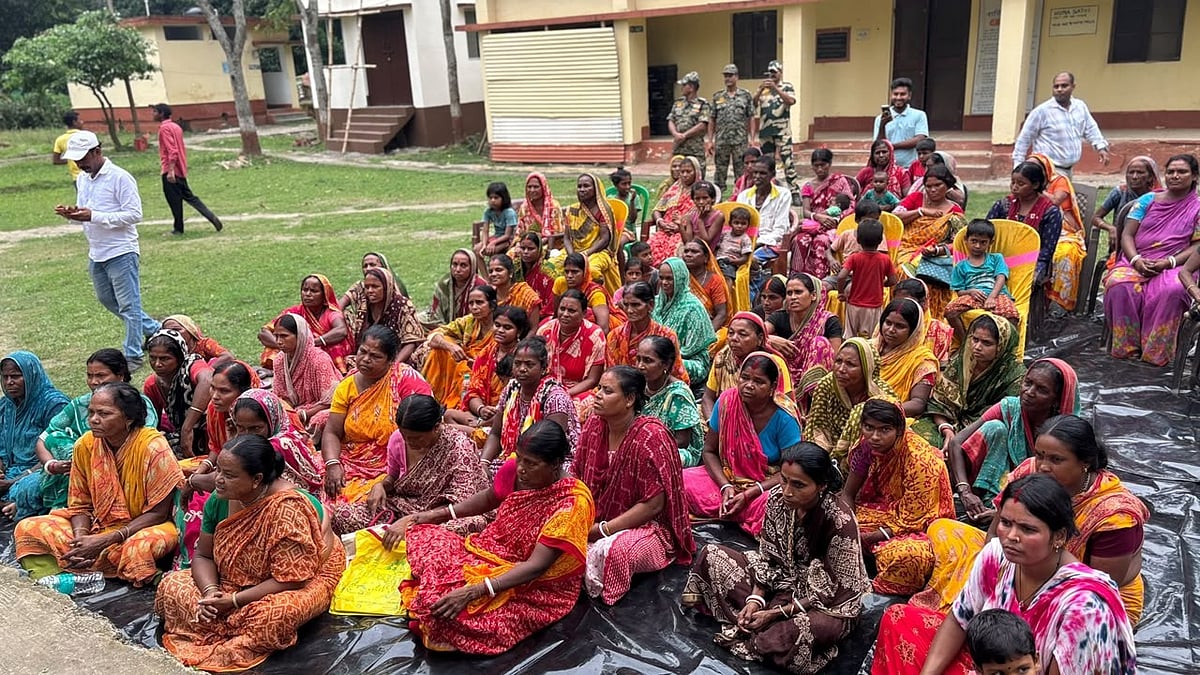
At the eastern edge of Malda, where green fields meet the quiet stretch of the frontier, a new story is being written — not in official documents, but in the voices of the people who call these villages home.
For generations, border villages have carried the image of being far away and forgotten. But beneath that silence lies a world of aspirations — children dreaming of better opportunities, families seeking stronger livelihoods, and communities hoping for facilities that can make everyday life easier.
Through “Amar Gram Amar Kalpana”, residents of 29 border villages are finding a platform to share these hopes and shape their vision for the future. Between 12 and 14 July, village interactions became spaces where people spoke openly about their needs, challenges and dreams.
At Adampur in Muchia Gram Panchayat, conversations unfolded around the things that matter most in daily life — better learning spaces for children, safer streets, improved connectivity, stronger livelihood opportunities and places where communities can come together.
The villagers’ voices reflected the character of rural life: every request carried a memory, every concern had a personal story, and every suggestion was rooted in the hope of creating a better tomorrow.
In Adampur, residents placed their priorities before the authorities — from preserving the beauty of the Mahananda river and Mahamaya Mandir to improving local marketplaces and creating opportunities for traditional livelihoods. Their ideas also included spaces for community gatherings, support for education through improved school facilities, and better lighting and roads to make village life safer and more connected.
Among the aspirations was the hope of creating new livelihood avenues through initiatives such as a Mango Leather Manufacturing Unit, drawing strength from the region’s agricultural identity. Villagers also highlighted the need for stronger educational infrastructure, including solar power, smart classrooms, boundary walls and community facilities in local schools.
For many residents, these were not just demands on a list; they were reflections of everyday experiences — of children studying under challenging conditions, of people travelling through dark roads after sunset, and of communities seeking spaces that bring people together.
Shri Rajanvir Singh Kapur, IAS, district magistrate, Malda, emphasised the importance of participation in shaping effective outcomes.
“Community participation ensures effective planning and outcomes,” he said.
The story emerging from Malda’s border villages is about more than roads, buildings or facilities. It is about a change in perception — a recognition that these villages are not the last points on a map, but the first expressions of India’s resilience, culture and aspirations.
Here, under open skies and amidst everyday conversations, communities are writing their own future. Every voice adds a new chapter to a story of hope — a story carried not by boundaries, but by the dreams of the people who live beyond them.
Join our official telegram channel (@nationalherald) and stay updated with the latest headlines