Opinion
Odisha’s quiet emergency
From social boycotts to physical assaults, anti-Christian violence in the state is taking organised form
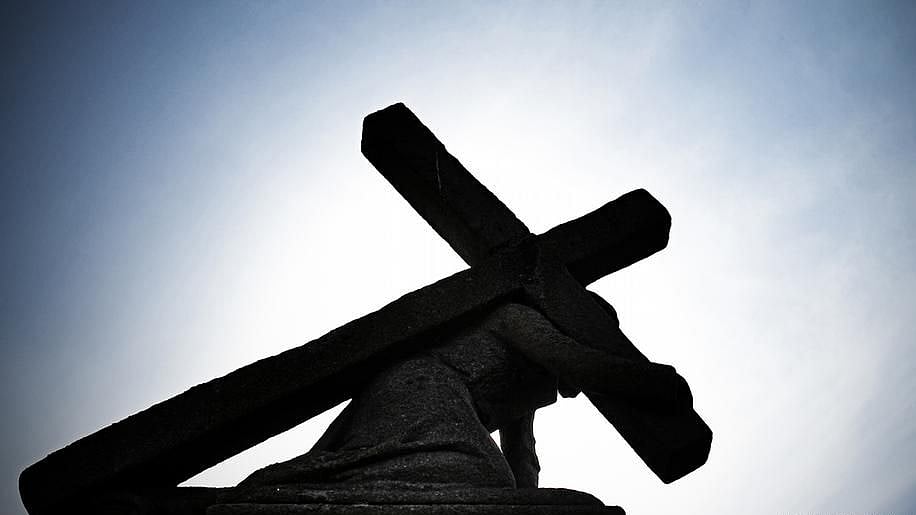
This month, I was in Odisha as part of a people’s tribunal examining atrocities against Christians, in particular Adivasis. My fellow tribunal members and I joined the organisation Karwan-e-Mohabbat in Nabarangpur, Jeypore, Balasore and Baripada to hear around 300 women and men, of whom the majority, more than 90 per cent or so, were Adivasi.
What is clear from what we heard and saw is that in the last two years, Odisha’s government has stepped aside to allow the Constitutional and fundamental rights of individuals to be trampled over. Organised violence against Christians is permitted and, when the government machinery acts, it is usually to attempt to prevent the victims from getting justice.
The violence has become templated, as has been the case with Hindutva actions across this land. Something begins, often triggered by the passing of a law, and then we are inundated by waves of similar-sounding incidents: beef lynching, love jihad, bulldozer and so on. The other thing that was noticeable was that the pace of the atrocities is accelerating as the templates are digested across the state and then replicated.
In Odisha we observed four broad types of atrocities. The first is the forceful prevention of burial of Adivasi Christians. They are no longer being allowed to bury their dead in the common burial ground of the village where other Adivasis are buried. They are blocked even from burying their dead on their privately owned land. Mobs gather to physically stop burial and funeral prayers. Bodies wait, sometimes on ice and other times rotting, while the ’negotiations’ happen. The police interest is in order more than in law, meaning that it wants no trouble and therefore sides with the mob.
The second template was the social and economic boycott of Christians. This happens through fines on those who engage with them or sell produce to them, and even included families who were forced to expel their sons and daughters. Many of them have no work and no means to sustain themselves; many are living in the forest. And almost all of these cases were from this year, many from the last two months.
The third way was physical attacks on Christian places of worship including chapels and house churches, and pastors and priests. There have been multiple episodes of forceful disruption and closure of prayer meetings and collective worship. When the police arrive, the victims are often made the accused under false charges of unlawful religious conversion. The victims being taken to jail and being kept there while the mob is free is common.
The fourth, and predictable, way was violence: physical assaults on Christian women and men, being tied up, beaten, stripped, humiliated and injured for professing their faith (it reminded one of what one had read about early Christian martyrs).
Individuals were tied to trees, forced into sacks and physically assaulted. Some were assaulted sexually and others faced attempts to burn them alive, halted only at the last minute.
What was the government doing while this happened? In most cases of violence, the police registered criminal charges against those who were attacked, followed by their detention in police stations and jails. There also were instances where the police played a direct role in the intimidation and violence against Christians.
It is not incorrect to conclude that what we saw was a deliberate abandonment of duty and a breakdown of the Constitutional machinery. That conclusion is inescapable given the frequency with which people told us that the police joined Hindutva organisations to force them to sign “compromise” agreements in which they undertake to give up their Christian faith and collective worship.
The state has taken a communal colour, not surprising given that it is now run by the Bharatiya Janata Party, and elements aligned to its anti-minority ideology are being given a free run.
The tribunal has written to the chief secretary of the state, hoping that the government recognises how serious the issue is and that it is obliged to act. Perhaps the evidence will move them. We will not hold our breath.
The last thing I want to say is that there was immense dignity with which the Adivasis testified to what they had undergone. They are stoic and calm when recounting the crimes against them. This includes the women, one of whom, as she described her sexual assault, paused for a second, wiped her eyes and continued.
Many will stay on in my mind as they do in the notes that I took. One young man, as he was finishing, broke out into a prayer. Our interpreter said it was Psalm 23. I looked it up later and it was something I knew from school:
'The Lord is my shepherd; I shall not want.
He maketh me to lie down in green pastures:
he leadeth me beside the still waters.
He restoreth my soul: he leadeth me in the paths of righteousness for his name's sake.
Yea, though I walk through the valley of the shadow of death, I will fear no evil: for thou art with me.'
Views are personal. More of Aakar Patel’s writing here
Join our official telegram channel (@nationalherald) and stay updated with the latest headlines