Opinion
The end is nigh, the bugle has been sounded
For the first time in 13 years, the government looks isolated and on the defensive. The people have overcome fear
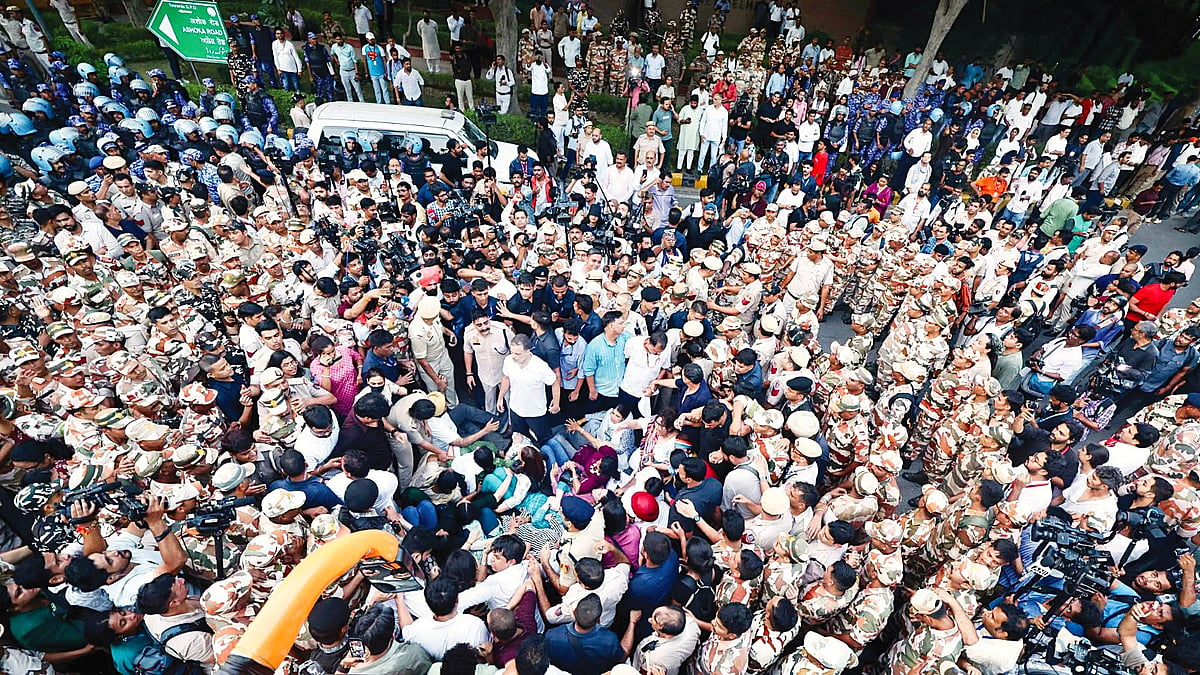
Can protests bring about change? I have faced this question again and again over the past three months, especially since July, when young Indians from all corners of the country descended on Jantar Mantar in their thousands and forced the government to make the education minister resign.
The pompous boast that resignations did not take place under this government became a joke and the government itself was cornered to ultimately sacrifice Dharmendra Pradhan. Another matter that it tried to spin his resignation as a moral stand in the larger interest of saving the nation from the anarchy that the youth movement had unleashed. But the government’s capitulation was seen for what it was — surrender in the face of determined resistance. That, in itself, was a big change.
This was not the first time the Modi government had to eat crow. The farmers of Punjab and Haryana showed tremendous grit and determination when they camped for a year on the borders of Delhi and forced the government to repeal the farm laws. That was, in many ways, a greater defeat for Modi, as it involved a real policy turnaround, unlike the Pradhan resignation, which may have been a symbolic victory but did not fundamentally alter anything.
Even before the farmers’ agitation came the movement against the Citizenship Amendment Act (CAA), led by Muslim women. The movement was halted by the Covid pandemic and faced brutal retaliation from state-backed Hindutva vigilantes, but it still managed to push back the government. The framing of rules under the CAA had to be delayed and the exclusionary NRC (National Register of Citizens) exercise put on hold.
These were great acts of resistance. But they didn’t attain the universality of the July Jantar Mantar uprising. Where the earlier movements had encountered hostility from sections of the public itself, the Jantar Mantar protest was adopted widely by the people. The youth belonged to everyone, free of any identity markers that could alienate any section of society. That could be the reason the Jantar Mantar protests had the kind of cross-sectional appeal the other movements lacked.
Jantar Mantar dented the image of a feared, seemingly invincible supreme leader in a way that no other agitation had managed. It also lifted the media-generated smoke that obscured Modi’s real face. It is hard to explain why it happened this way. We can only observe and describe what is happening and think about the possibilities this moment opens up.
The Indian Express exposé of the misdeeds of the Election Commission of India, which came on the heels of the Jantar Mantar uprising, has destroyed the legitimacy of the Modi government. That makes the task of the ongoing protests somewhat easier. People have started identifying with the protests and no longer see them as expressions of partisan interest.
Now that the air is clearer, people can see and hear leaders like Rahul Gandhi. The adverse perception media had created of politicians who spoke against the government and the RSS — preventing most Hindus from treating them as their voice — has gone. Rahul Gandhi is now the face of an alternative.
For the first time in the past thirteen years, the government is looking isolated and on the defensive. It can no longer whip up majoritarian frenzy against the protests in the way it did on earlier occasions.
Feeling politically powerless, the despotic regime has unleashed the state agencies to counter the protests. There are reports that Delhi Police are actively campaigning against the protests. This is not their job. They are exceeding their brief. It remains to be seen whether the courts will play along or try to be independent, taking advantage of the moment.
The people have overcome fear and hesitation. They are reclaiming their right to protest and are enjoying a newfound freedom. They are refusing to seek permission for protests. It is as if they have begun to feel whole and human again.
The protests are not going to stop. They will keep hammering at the edifice of power the BJP has built with the active support of the media, the corporate world and the judiciary. It is crumbling and is bound to fall. The media, the state agencies and the judiciary have to decide whether they want to break free and breathe independently or be a part of this great demise.
Apoorvanand is an author and academic. Read more of his writing
Join our official telegram channel (@nationalherald) and stay updated with the latest headlines