Opinion
The law that opens your bank account to the police
What once required a court's approval can now be authorised by the investigating agency itself
There is a familiar pattern in today's India. First comes dissent. Then comes the investigation. Increasingly, what follows is not merely questioning or prosecution, but scrutiny of the dissenter's finances.
The latest example came from Surat, where an RTI activist demanded an inquiry into the finances of the father of CJP founder Abhijeet Dipke, a retired Maharashtra government employee, on the curious ground that his son had studied in the United States. Days later, another report revealed that the Delhi Police was collecting details of bank accounts used to pay for food for protesters demonstrating at Jantar Mantar.
These are not isolated incidents. They are reminders that in what the government proudly calls the 'New India', critics, watchdogs, trade unionists, activists and political opponents are increasingly viewed through the lens of suspicion.
Earlier this year, Uttar Pradesh Police quietly examined the bank accounts of labour activist Satyam Verma after he organised workers' protests in Noida. Selective financial details soon found their way into sections of the media, raising uncomfortable questions about confidentiality and political targeting. Last year, central agencies reportedly examined the finances of climate activist Sonam Wangchuk and institutions associated with him during the Ladakh protests.
Until now, such access to citizens' banking records at least required judicial oversight. That safeguard is now on the verge of disappearing.
The Bankers' Books Evidence Bill, 2026, passed in the Lok Sabha this week by voice vote without a single minute of debate, does far more than update a 135-year-old colonial law for the digital age. Hidden beneath the language of technological modernisation lies a profound shift in the balance between the citizen and the State.
On the surface, the Bill appears entirely reasonable. Banking records today exist not in dusty ledgers but across cloud servers, digital databases and disaster-recovery centres. The law governing their evidentiary value clearly required updating.
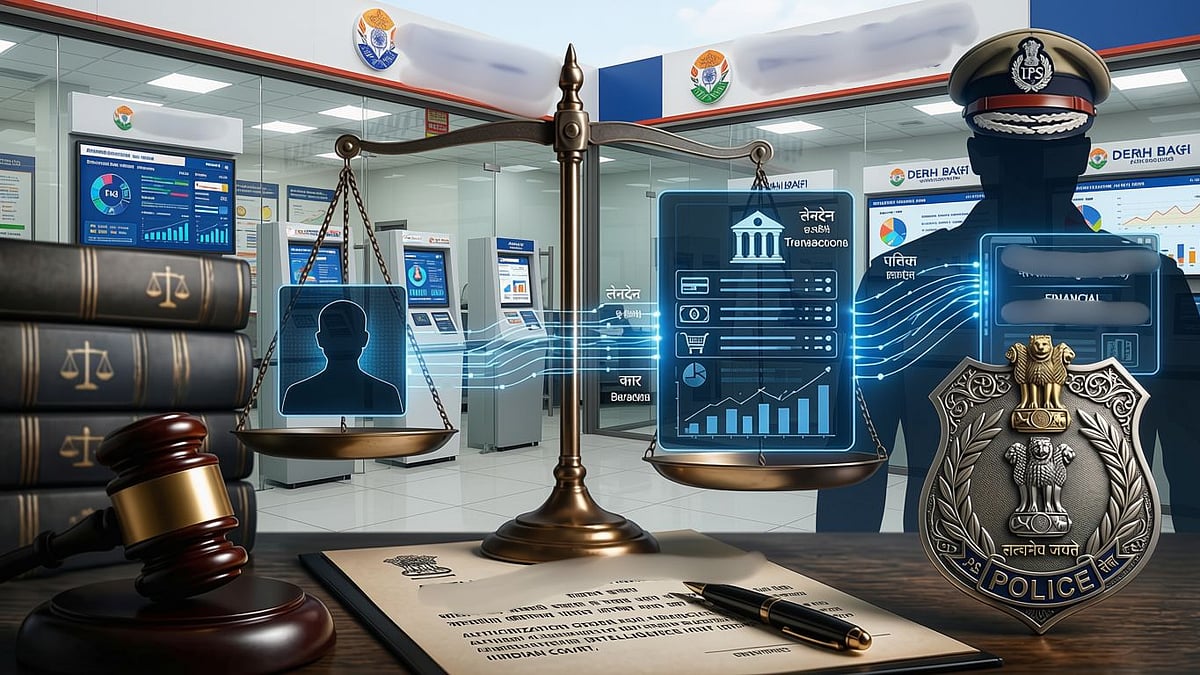
The problem lies elsewhere. Section 11 quietly transfers the authority to compel production of a person's banking records from an independent court to a police officer not below the rank of superintendent of police — or any other officer the government may notify. What previously required judicial approval can now be authorised by the very agency conducting the investigation.
That single change should alarm every citizen.
A bank statement is not merely a list of deposits and withdrawals. It is an intimate biography. It reveals which hospitals we visit, which books we buy, which organisations we support, which unions we join, which charities we donate to and which political causes receive our money. It can expose a journalist's confidential sources, map an activist's network or identify the financial backbone of a protest movement.
This is precisely why access to such information has traditionally been subject to judicial scrutiny. A judge stands between the investigator and the citizen to determine whether such intrusion is necessary, proportionate and lawful. The new Bill removes that constitutional buffer.
Equally troubling is what the legislation does not contain. There is no requirement to notify the account holder that their financial records have been sought. There is no judicial examination of necessity or proportionality. There are no safeguards limiting disclosure to the relevant account or period.
Nothing prevents unrelated transactions from being disclosed. There is no prohibition on secondary use of the information once obtained, no obligation to destroy records after an investigation concludes, and virtually no remedy if excessive or incorrect financial information is accessed or leaked.
The government insists that honest citizens have nothing to fear. History suggests otherwise.
India has repeatedly witnessed financial investigations becoming political weapons. NGOs have been paralysed through regulatory action. Journalists have found themselves under tax scrutiny. Opposition leaders have faced simultaneous investigations by multiple agencies. Labour organisers have seen their personal finances examined. Whether each investigation was justified is beside the point. The cumulative effect is unmistakable: fear.
Laws that expand surveillance powers need not be abused in every case to damage democracy. Their very existence encourages self-censorship. Citizens begin to think twice before donating to a civil liberties organisation, contributing to a protest fund, supporting a trade union or financially assisting a movement that challenges those in power. The chilling effect often precedes actual misuse.
None of this was inevitable. The law could easily have modernised banking evidence while preserving judicial authorisation. It could have created narrowly defined emergency exceptions subject to prompt court review. It could have mandated customer notification once investigations concluded, restricted secondary use of financial records, required proportional disclosure, and incorporated meaningful privacy safeguards.
Instead, Parliament chose expediency over scrutiny. The Lok Sabha passed the legislation amid disruptions, without debate, discussion or clause-by-clause examination. The Rajya Sabha still has an opportunity to repair the damage.
A democracy is measured not by how much information the State can collect about its citizens, but by how carefully it restrains itself from collecting information it does not need. In an era when bank accounts have become digital diaries of our lives, weakening judicial oversight is not administrative reform — it is an expansion of State surveillance.
And once such powers enter the statute book, history suggests they rarely remain unused.
Join our official telegram channel (@nationalherald) and stay updated with the latest headlines