POLITICS
Assembly polls: EC issues digital vouchers for free airtime to parties on DD, AIR
EC has already distributed these vouchers, marking a shift towards a more transparent and streamlined allocation of broadcast opportunities
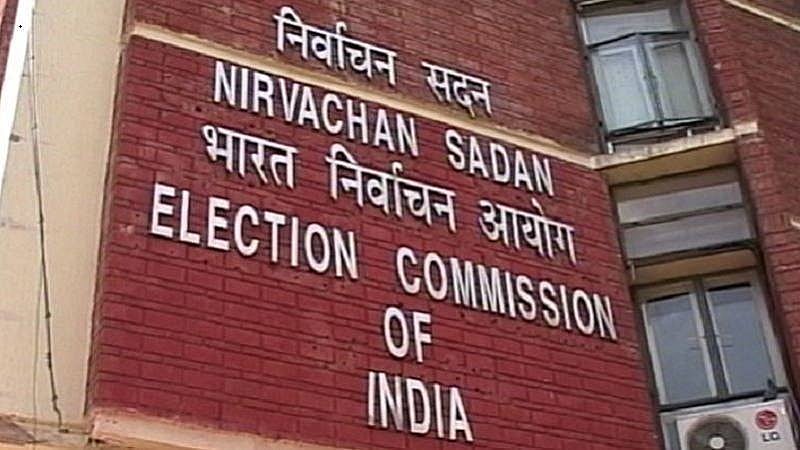
In a move aimed at lending both equity and reach to the electoral discourse, the Election Commission of India (ECI) has unveiled a structured system of digital time vouchers, granting recognised National and State parties access to free airtime on Doordarshan and All India Radio ahead of the forthcoming assembly elections.
Anchored in Section 39A of the Representation of the People Act, 1951, the initiative lays out a carefully calibrated framework for political communication across the poll-bound regions of Assam, Kerala, Puducherry, Tamil Nadu, and West Bengal.
Through its digital platform, the commission has already distributed these vouchers, marking a shift towards a more transparent and streamlined allocation of broadcast opportunities. The designated window for these transmissions will open with the publication of the final list of contesting candidates and close two days prior to polling in each phase — ensuring that voters are engaged, yet insulated from last-minute campaign noise.
The choreography of airtime will be determined through a draw of lots conducted at the State and Union Territory level, in the presence of party representatives and officials from the chief electoral officer’s office — an exercise designed to uphold fairness and procedural integrity.
At the heart of the scheme lies a guaranteed baseline: each recognised party will receive 45 minutes of free airtime on both Doordarshan and All India Radio, evenly distributed across regional networks. Beyond this, additional minutes will be awarded in proportion to past electoral performance, blending equality with electoral merit.
The Commission has also drawn firm lines around content. Parties must submit transcripts and recordings in advance, adhering strictly to prescribed guidelines. Production is to take place either in studios meeting the technical standards of Prasar Bharati or at designated Doordarshan and AIR centres, ensuring broadcast quality and compliance.
Adding a layer of public engagement, Prasar Bharati will curate up to two panel discussions or debates, to be aired across its networks. Each eligible party will nominate a representative, bringing diverse political voices into a moderated, structured dialogue.
In essence, the initiative seeks to transform the airwaves into a more balanced arena — where visibility is not merely a function of resources, but of representation, regulation, and democratic fairness.
With IANS inputs
Join our official telegram channel (@nationalherald) and stay updated with the latest headlines