POLITICS
Bengal Phase I: Welfare vs change battle under tight security
Election Commission says 152 constituencies to vote in first phase, with nearly 3.6 crore voters
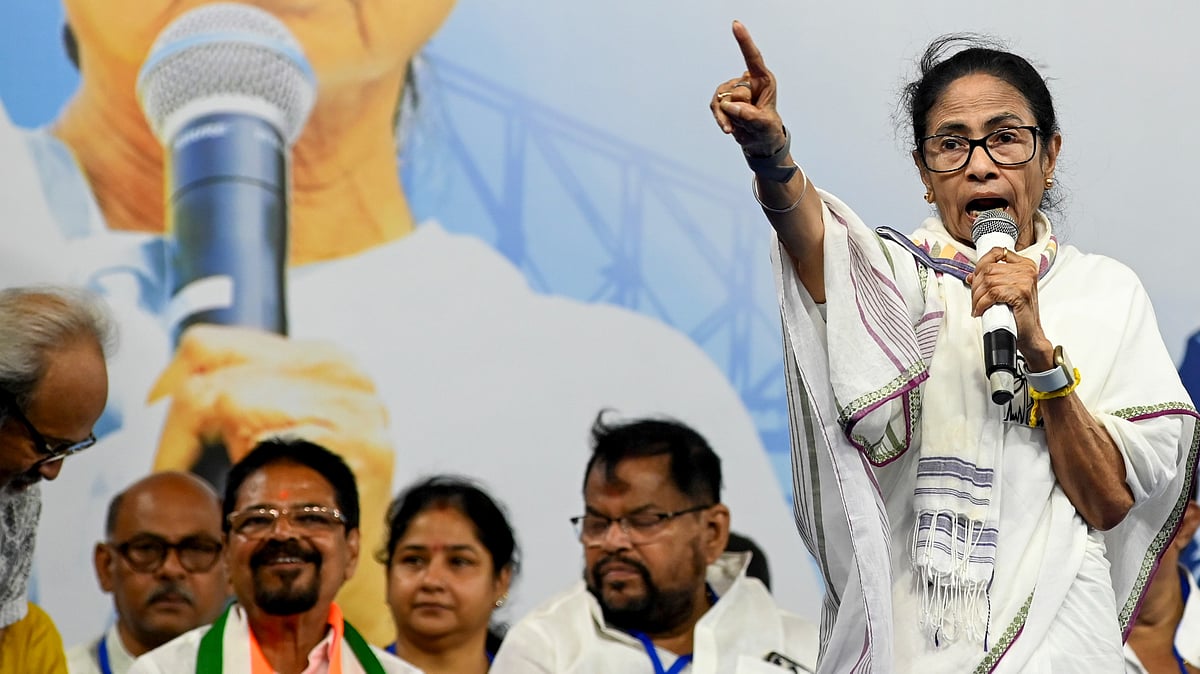
The first phase of West Bengal’s assembly elections on 23 April has turned into a high-stakes contest shaped by intense campaigning, welfare promises, identity politics, and a heavy security deployment. The battle is not just for seats but for competing narratives — whether voters back Mamata Banerjee’s welfare model or opt for a BJP-led “change” centred on governance overhaul, Uniform Civil Code (UCC), anti-infiltration measures, and job creation.
Campaigning for Phase I ended on 21 April, leaving behind a politically charged atmosphere. According to Election Commission of India data, 152 constituencies will vote in this phase, covering parts of north Bengal and several southern districts, with nearly 3.6 crore eligible voters. The contest has been sharpened by debates around food habits, cross-border infiltration, the UCC, and electoral rolls, making it more than a routine opening round.
Both camps have framed the election as a decisive choice about Bengal’s future. BJP leaders, including Narendra Modi and Amit Shah, targeted the ruling party over corruption, political violence, and infiltration. The Trinamool Congress (TMC), in turn, defended its welfare record and accused the BJP of fearmongering and manipulating voter lists.
The BJP’s campaign has focused on governance change, border security, and expanded welfare promises. Amit Shah said Banerjee’s “time at the helm has come to an end” and asserted that central forces have been deployed “at every nook and corner” to ensure free voting. The party has promised Rs 3,000 monthly aid for women, implementation of the UCC within six months, pending dearness allowance (DA) for state employees, 7th Pay Commission benefits, rollout of Ayushman Bharat, and a probe into political violence.
The TMC has countered by questioning the BJP’s credibility. Abhishek Banerjee accused the party of a history of “false promises”, citing unfulfilled pledges such as Rs 15 lakh in bank accounts and two crore jobs annually. Mamata Banerjee asserted that the TMC would return to power and also took aim at Modi’s claim of being the BJP’s candidate across all seats, saying he would have to resign as prime minister for that to happen.
Attention is sharply focused on Nandigram, where Suvendu Adhikari faces TMC’s Prabitra Kar. The seat remains symbolically significant after the high-profile Banerjee-Adhikari contest in the previous election, making it a key indicator of early momentum.
Other closely watched constituencies include Siliguri, Darjeeling, Cooch Behar, Jalpaiguri, Raiganj, Islampur, Balurghat, English Bazar, Jangipur, and Mekhliganj — regions shaped by a mix of border concerns, tea garden issues, identity politics, and welfare expectations. Baharampur is notable as Adhir Ranjan Chowdhury returns to Assembly politics after over two decades.
Kharagpur Sadar is another key battleground, with Dilip Ghosh in the fray, making it a prestige contest for the BJP. In Murshidabad, controversy around suspended TMC MLA Humayun Kabir has highlighted how local issues and symbolism continue to shape campaign narratives.
The silence period began at 6 pm on 21 April, during which campaigning is prohibited. Authorities remain on high alert to prevent violations, while voters are expected to make their choices without external influence. The Election Commission has directed strict enforcement of prohibitory orders near polling stations.
Security arrangements are extensive. Around 2,450 companies of central forces — nearly 2.5 lakh personnel — have been deployed, and over 8,000 polling stations have been identified as highly sensitive. A two-step voter verification system has been introduced, with CAPF personnel checking identity documents at entry points and booth-level officers (BLOs) verifying voter details. Prohibitory orders under Section 163 of the BNSS are in force within a 100-metre radius of polling stations.
This phase blends symbolism, geography, and core political messaging. The BJP is seeking to turn the election into a referendum on corruption, infiltration, and change, while the TMC is relying on its welfare delivery and grassroots network. Voter sentiment will also hinge on everyday concerns such as wages, employment, and infrastructure, particularly in north Bengal and border districts.
Ultimately, Phase I is not just about early leads but about which narrative resonates more. A strong BJP showing could build momentum around anti-incumbency, while a resilient TMC performance would reinforce its claim that welfare politics continues to hold sway in the state.
Join our official telegram channel (@nationalherald) and stay updated with the latest headlines