POLITICS
Bengal SIR: CEO’s office recommends punishment for some EROs, AEROs
Sources say the report flags cases where some EROs and AEROs failed to upload voters’ documents on time
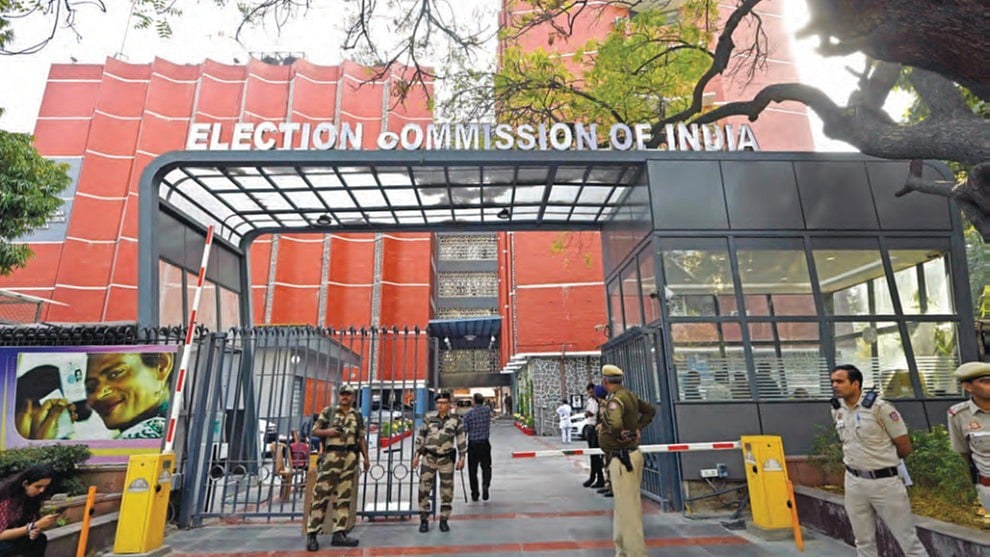
The office of the chief electoral officer (CEO) of West Bengal has submitted a detailed and strongly worded report to the Election Commission of India (ECI) headquarters in New Delhi, flagging what it describes as deliberate derelictions of duty by a section of electoral registration officers (EROs) and assistant electoral registration officers (AEROs) during the ongoing Special Intensive Revision (SIR) of the state’s electoral rolls.
According to sources within the CEO’s office, the report highlights specific instances where certain EROs and AEROs allegedly failed to upload documents submitted by voters during hearing sessions within the stipulated timeframe. The commission’s instructions, insiders stressed, were unequivocal: all documents received from voters were to be uploaded to the system on the very same day.
However, in several identified cases, the uploading process was allegedly held back until the eleventh hour. This delay, the report notes, resulted in a cascading administrative consequence — a substantial number of cases were eventually marked for judicial adjudication due to incomplete procedural processing.
“The CEO’s office has particularly pointed out those instances where the delay was not inadvertent but deliberate,” an insider said, adding that these lapses directly contributed to the ballooning number of cases referred for adjudication.
In light of these findings, the CEO’s office has recommended disciplinary action against the officers found responsible for intentional dereliction. The final decision, however, rests with the Election Commission of India.
The controversy unfolds against the backdrop of a significant electoral development. On 28 February, the final voters’ list for West Bengal was published, excluding nearly 60 lakh cases that had been referred for judicial adjudication. Authorities have clarified that supplementary lists will be issued in phases, in accordance with the progress of the adjudication process.
The matter has since triggered a sharp public exchange between the West Bengal Civil Service (Executive) Officers’ Association and the CEO’s office.
The officers’ association initially accused chief electoral officer Manoj Kumar Agarwal of unfairly attributing the large number of “under adjudication” entries in the final electoral roll to lapses by EROs and AEROs. In its statement, the association suggested that the blame had been selectively shifted onto field-level officers.
Within hours, the CEO’s office issued a firm rebuttal. It clarified that it had not broadly or indiscriminately attributed all adjudication cases to indecision by EROs and AEROs. However, it maintained that a “certain number” of cases had indeed remained pending at the officers’ level and were therefore referred for adjudication — a fact it described as “factually verifiable.”
In a sharply worded counter-statement, the CEO’s office also cautioned the association against overstepping its institutional role. It reminded officers serving on deemed deputation to the Election Commission that they function under the authority of a constitutional body.
“Posting comments on the basis of hearsay and attempts to discredit constitutional bodies or statutory authorities can have serious consequences,” the statement warned, advising government servants to operate strictly within the “Lakshman Rekha” of applicable conduct rules.
As the revision exercise continues and judicial adjudication progresses, the episode has cast a spotlight on the procedural rigour — and institutional tensions — underpinning the maintenance of electoral rolls in one of India’s most politically sensitive states.
With IANS inputs
Join our official telegram channel (@nationalherald) and stay updated with the latest headlines