POLITICS
Bengal SIR: ECI ensures comfort for senior voters, holds officers accountable
If a senior voter has a hearing notice, BLOs must ensure their documents are verified at home
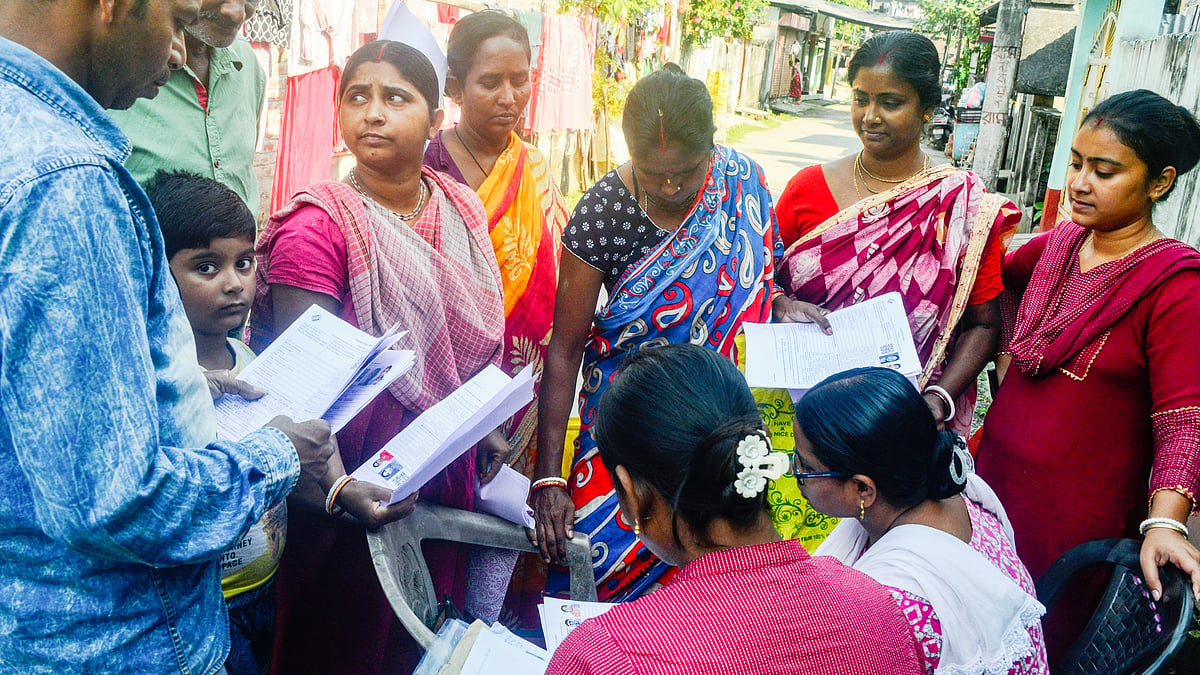
In a decisive move to safeguard the dignity and convenience of the elderly, the Election Commission of India (ECI) has entrusted booth-level officers (BLOs) and their supervisors with the responsibility of ensuring that voters aged 85 and above need not appear in person at hearing centres for sessions on claims and objections to the draft voters’ list.
Electoral registration officers (EROs) and assistant EROs (AEROs) have also been tasked with spearheading awareness drives in their jurisdictions, informing citizens of the commission’s decision to extend this thoughtful relief.
In cases where a senior voter has already received a hearing notice, BLOs and supervisors are required to reach out personally and request that they stay home, verifying their documents at their residence instead.
The same principle applies to voters with critical medical conditions, whose hearings will be conducted at home on a case-by-case basis. However, the commission has made it clear that demands, such as those from the Trinamool Congress to extend this courtesy to voters aged 60 and above, cannot be accommodated due to logistical constraints.
This directive follows the ECI’s 29 December notification outlining categories of voters entitled to in-home hearings: citizens over 85, the critically ill, and differently-abled voters. Despite these instructions, reports of exempted voters attending hearings prompted political contention, prompting the ECI to reiterate accountability and ensure the elderly are shielded from unnecessary travel.
With this move, the commission underscores its commitment to making the electoral process accessible and considerate, blending procedural rigor with humane sensibilities.
With IANS inputs
Join our official telegram channel (@nationalherald) and stay updated with the latest headlines