POLITICS
Dipankar terms Bihar meat ban ‘UP model’ politics, flags impact on Muslim vendors
CPIML chief says timing ahead of Ramadan raises concerns; calls decision arbitrary and divisive
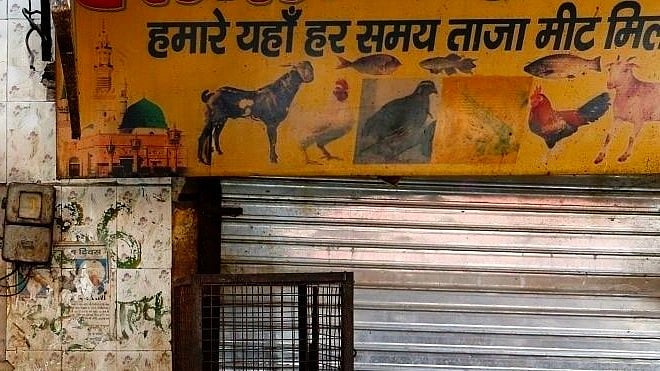
CPI(ML) general-secretary Dipankar Bhattacharya on Wednesday sharply criticised the Bihar government’s decision to ban the open sale and display of meat and fish, calling it an attempt to import the “UP model” into the state.
In a statement issued on social media, Bhattacharya said the move “represents an extension of the ‘UP model’ into Bihar and an attempt to impose it on the state’s social and cultural fabric”.
The order — which bars roadside and open-air sale of meat and fish and mandates that vendors operate only from licensed, enclosed premises — has come just ahead of Ramadan, a period when demand for meat traditionally rises. Opposition leaders and traders say the timing is particularly sensitive.
Bhattacharya described the decision as “not only insensitive but also an economic attack on the poor,” singling out fisherfolk communities, small traders and daily-wage earners engaged in the meat business.
He warned that the order could create “an atmosphere of fear similar to mob lynching incidents” and may end up targeting minority communities.
In Bihar’s urban and semi-urban markets, a significant proportion of small-scale meat sellers are Muslim vendors who depend on daily cash turnover. Critics argue that sudden enforcement, without adequate alternative infrastructure or simplified licensing, could disproportionately disrupt their livelihoods — especially during Ramadan, when earnings often help sustain families for months.
Bhattacharya accused the state government of attempting to replicate what he termed the “bulldozer politics and hatred” associated with Uttar Pradesh, alleging that minorities and marginalised sections could bear the brunt.
“Attempts to replicate the UP model of bulldozer politics and hatred in Bihar, targeting the lives and livelihoods of minorities and marginalised sections, will be firmly resisted,” he said.
Calling the measure “arbitrary and divisive”, the CPI(ML) leader demanded its immediate withdrawal.
The Bihar government has maintained that the directive is aimed at improving hygiene, regulating unlicensed sales and maintaining public order. However, with the timing intersecting with Ramadan and concerns mounting among Muslim vendors and small traders, the issue is rapidly evolving into a broader political flashpoint in the state.
Join our official telegram channel (@nationalherald) and stay updated with the latest headlines