POLITICS
Kamal Haasan urges Modi to convene CMs’ summit on energy crisis
MNM chief calls for coordinated Centre-state action to cushion impact of global conflicts on fuel and living costs
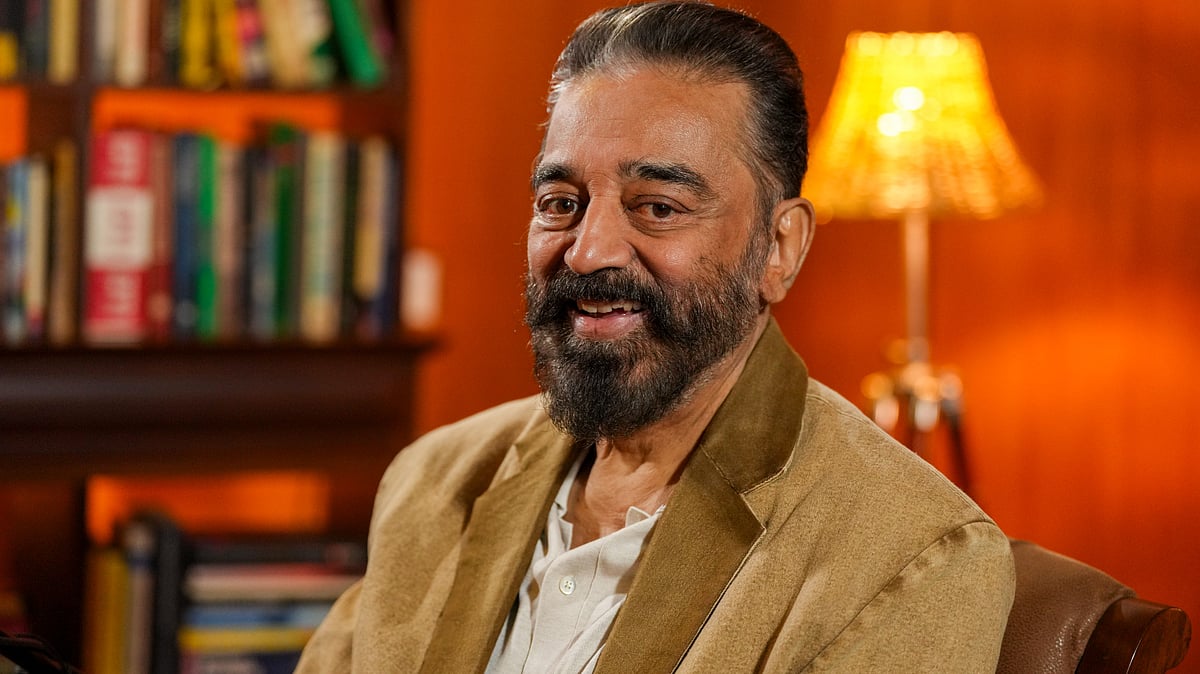
Makkal Needhi Maiam president Kamal Haasan on Friday appealed to Prime Minister Narendra Modi to convene a national meeting of all chief ministers to address what he described as an emerging energy crisis driven by global geopolitical tensions.
In a video message posted on his official X account, the actor-politician said international conflicts were increasingly affecting everyday life in India, pushing up crude oil prices, disrupting maritime trade routes and driving up the cost of essential goods, household energy and agricultural inputs such as fertilisers.
“At moments of national crisis, our response must rise above party politics,” Haasan said, invoking former prime minister Atal Bihari Vajpayee’s remark: “Governments will come and go, but the nation shall remain.”
To ease the immediate economic pressure on citizens, Haasan proposed a two-pronged strategy involving coordinated action by both the Centre and state governments.
Among his suggestions was a reduction in Value Added Tax (VAT) imposed by states on petrol and diesel to help moderate fuel prices. He also called for lower fares on trains, metro systems and public buses to encourage greater use of public transport and reduce dependence on private vehicles.
While acknowledging India’s advances in expanding solar and wind power capacity, as well as investments in coal gasification and nuclear energy in recent years, Haasan argued that governments must share the burden of adjustment rather than placing it entirely on citizens.
“Sacrifice cannot be expected only from citizens; governments too must share the burden,” he said.
Drawing on historical examples, Haasan recalled how Indians donated gold during the 1962 war with China and observed voluntary austerity during the 1965 food crisis following an appeal by then prime minister Lal Bahadur Shastri. However, he said present-day India need not resort to such extreme measures if governments implement effective policy responses.
Haasan added that the consequences of global geopolitical developments affect “pedestrians on the street as much as the high-flying rich” and said India could emerge stronger if it confronted the challenge collectively.
With PTI inputs
Join our official telegram channel (@nationalherald) and stay updated with the latest headlines