POLITICS
Lok Sabha adjourned till 2 pm amid heavy Opposition sloganeering
Speaker Om Birla urges MPs to maintain House decorum and avoid displaying posters
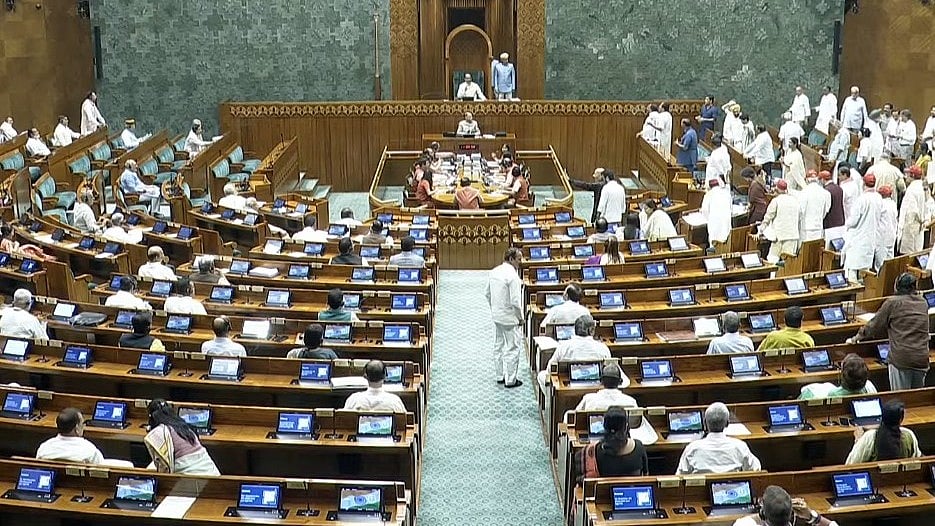
The Lok Sabha once again echoed with the roar of protests on Wednesday as Opposition members continued their aggressive sloganeering during Question Hour, forcing the House to be adjourned until 2 pm for the third consecutive day of the week.
Speaker Om Birla appealed to MPs to uphold the dignity of the House, urging them to maintain decorum and refrain from displaying posters inside the chamber. However, with the uproar showing no signs of settling, proceedings were eventually suspended.
The repeated disruptions have cast a shadow over the Monsoon Session of Parliament, with the Opposition pressing its concerns over issues including the NEET paper leak controversy, police action against Jantar Mantar protesters on 20 July, and allegations surrounding the Ram Temple donation theft case.
The deadlock had already disrupted proceedings on Tuesday, when the Lok Sabha witnessed multiple adjournments amid protests and slogan-shouting before being suspended for the day.
Amid the din, the House passed the Appropriation (No. 3) Bill, 2026, through a voice vote. The legislation seeks approval for expenditure from the Consolidated Fund of India to cover excess spending incurred during the financial year that ended on 31 March 2023.
Despite the uproar, Finance Minister Nirmala Sitharaman also introduced the Taxation and Other Laws (Amendment) Bill, 2026, for consideration. The proposed legislation seeks amendments to the Payment and Settlement Systems Act, 2007, the Income-tax Act, 2025, and the Finance Act, 2026.
The turbulence in the House follows a similar scene on Monday, when the Lok Sabha passed a Bill to increase the sanctioned strength of judges in the Supreme Court without debate amid Opposition protests.
The Supreme Court (Number of Judges) Amendment Bill, 2026, replaces an ordinance issued earlier this year and aims to expand the sanctioned strength of judges in the apex court to address mounting case backlogs and increasing judicial workload.
Under the proposed law, the number of Supreme Court judges will rise from 33 to 37, excluding the Chief Justice of India, taking the total strength of the court from 34 to 38 judges.
As Parliament continues its Monsoon Session, repeated disruptions have highlighted the widening divide between the government and the Opposition, with key legislative business unfolding against a backdrop of political confrontation.
With IANS inputs
Join our official telegram channel (@nationalherald) and stay updated with the latest headlines