POLITICS
Maharashtra govt maintains silence on Shakti law demand after Nasarapur rape-murder
Opposition seeks death penalty for accused; calls for strict law grow amid public outrage
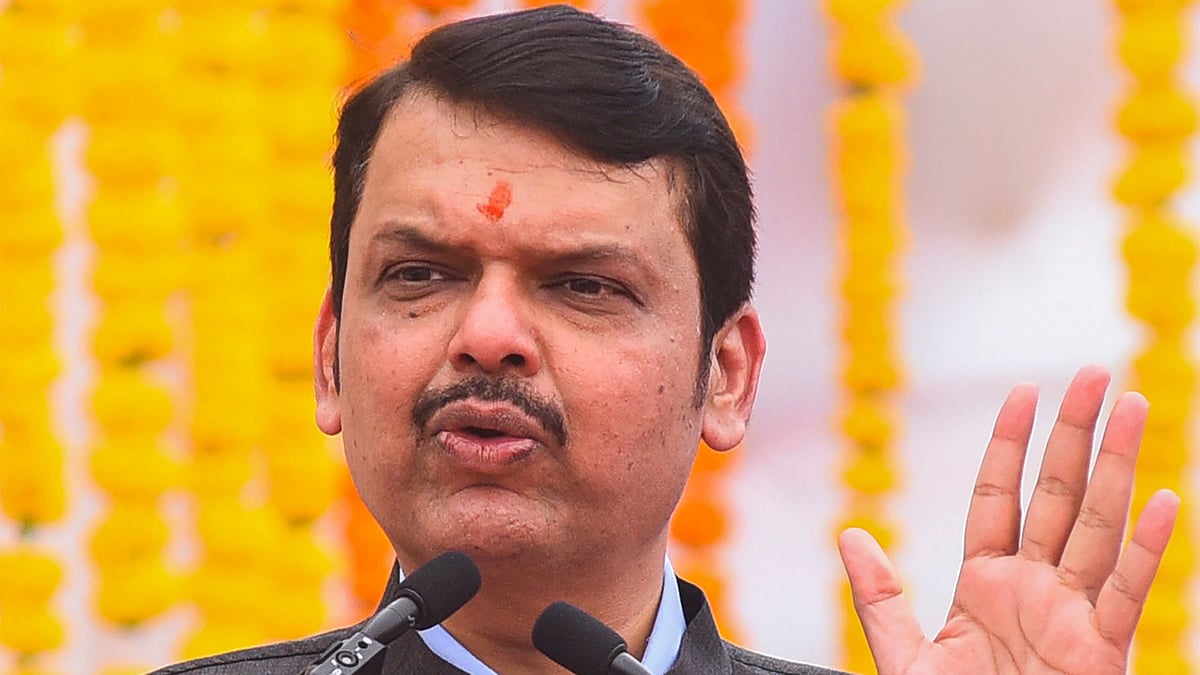
The Maharashtra government has remained non-committal on demands to implement the Shakti criminal law following the rape and murder case in Nasarapur in Pune district, even as public anger mounts and opposition parties push for stricter legal action.
The incident has triggered widespread outrage across the state, with calls intensifying for the accused to be awarded capital punishment. While leaders across the political spectrum have backed the demand for the death penalty through existing legal provisions, the opposition has argued that only the Shakti Criminal Law (Maharashtra Amendment) Bill, 2020 can ensure such punishment.
Govt signals alternative legal route
Eknath Shinde said after a cabinet meeting on 5 May that Chief Minister Devendra Fadnavis had directed officials to draft stricter provisions to bar parole for those convicted in sexual offence cases.
However, a similar law introduced during Fadnavis’ earlier tenure — restricting parole for sexual offenders — was struck down by the courts after being in force for nearly three years.
What is the Shakti law?
The Shakti Criminal Law (Maharashtra Amendment) Bill, passed by the earlier Maha Vikas Aghadi government, was modelled on Andhra Pradesh’s Disha law. It proposes stringent measures, including:
Death penalty for rape convicts
Completion of investigation within one month
Severe punishment, including death, in acid attack cases
The Bill was sent to the President for approval but did not receive assent as some provisions were found inconsistent with central laws such as the Bharatiya Nyaya Sanhita (BNS).
The Centre had argued that the BNS already incorporates stringent provisions for sexual offences, making additional state-level laws redundant.
Published: undefined
Modified provisions cleared in 2026
Earlier this year, the Maharashtra Assembly passed the Bharatiya Nyaya Sanhita (Maharashtra Amendment) Bill, 2026, incorporating select provisions from the Shakti Bill — particularly those related to digital sexual harassment and protection of the identity of acid attack survivors.
These amendments have been sent to the Centre for approval.
The demand to implement the Shakti law is not new. In 2024, opposition parties had raised similar calls after the Badlapur sexual assault case involving two schoolgirls.
Rohit Pawar has now demanded a special one-day Assembly session to pass the Shakti law.
Raj Thackeray also questioned the recurrence of such crimes in Maharashtra, asking, “Why are such incidents happening repeatedly? Where is the government?”
Public anger peaks
The current case has further intensified public anger, with protests and demands for strict punishment against the accused, identified as 65-year-old Bhimrao Kamble.
Kamble had previously been arrested in two rape cases, according to reports.
The victim’s father said no political leader should visit the family until justice is delivered.
While Chief Minister Fadnavis has said the government will ensure the accused is punished under existing laws, the opposition continues to insist that implementing the Shakti law is necessary to send a strong deterrent message.
The issue now sits at the intersection of legal feasibility, political messaging and public sentiment, with pressure mounting on the state government to take a clear stand.
Published: undefined
Join our official telegram channel (@nationalherald) and stay updated with the latest headlines
Published: undefined