POLITICS
No-confidence motion: Om Birla not to preside over LS until matter settles
Opposition cites Rahul Gandhi row, Naravane book controversy and trade debate curbs in escalating challenge to Speaker
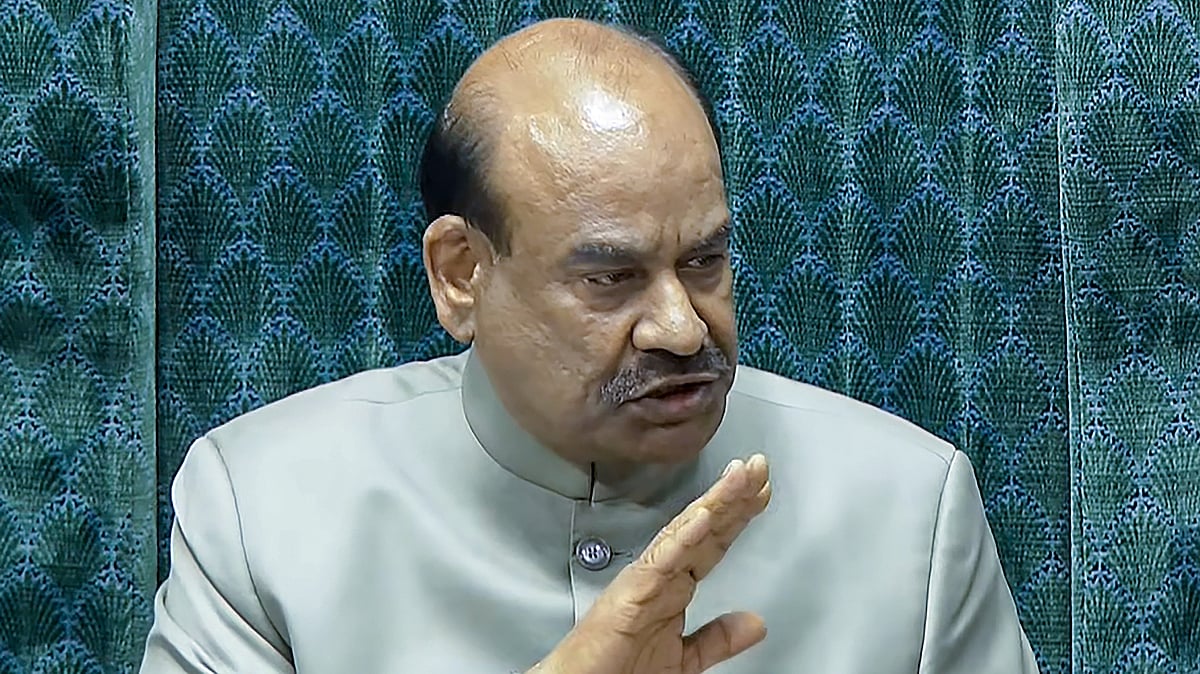
Lok Sabha Speaker Om Birla is expected to refrain from presiding over proceedings until questions surrounding a notice seeking his removal are resolved, sources said on Tuesday, signalling a deepening confrontation between the treasury and Opposition benches over the conduct of parliamentary business.
According to sources, Birla’s decision to step aside from the chair is based on “moral grounds”, even before procedural scrutiny of the motion begins. Article 96 of the Constitution bars a speaker or deputy speaker from presiding when a resolution for removal is under consideration, while also granting the presiding officer the right to participate in the debate and defend themselves if the matter reaches the floor of the House.
Birla has directed Lok Sabha secretary-general Utpal Kumar Singh to examine the notice submitted by Opposition MPs and process it in accordance with parliamentary rules. The secretariat will determine whether it meets procedural requirements before any further step is taken.
The notice — signed by about 120 MPs from Opposition parties — accuses the Speaker of acting in a partisan manner. Central to the complaint are allegations that Leader of the Opposition Rahul Gandhi and other senior leaders were denied opportunities to speak during the debate on the motion of thanks to the President’s address. The Opposition has also cited the suspension of eight Congress MPs as evidence of selective enforcement of rules.
Congress chief whip K. Suresh submitted the notice on behalf of multiple parties including the Congress, Samajwadi Party and DMK, though the Trinamool Congress did not sign — reflecting tactical divisions even as broader criticism of the speaker persists.
The controversy over speaking rights has been building across several flashpoints this session, and has become the core political argument underpinning the removal move.
Opposition parties say Gandhi was repeatedly prevented from addressing the House on issues they consider to be of national importance, including concerns arising from the India–US trade deal negotiations. They argue that limiting discussion on such matters restricts Parliament’s oversight role in shaping foreign and economic policy.
Another point of friction involved attempts by Opposition MPs to raise issues linked to former Army chief General M.M. Naravane’s recently discussed book Four Stars of Destiny and its political fallout. The Opposition sought time to debate aspects of civil-military decision-making during the Chinese incursion of 2020 and accountability emerging from the public discourse around the publication, but alleges that requests were curtailed or not admitted.
Taken together, Opposition leaders contend that these instances reflect a pattern of narrowing space for debate rather than isolated rulings. Government members, however, maintain that the chair has applied rules consistently and that disruptions — including slogan-shouting and protests in the well — have necessitated firm procedural decisions to maintain order.
Motions seeking the removal of a speaker are rare and procedurally demanding. They require formal admission, listing for debate and a vote — typically difficult to carry without government support. Historically, such attempts have served more as political signalling than realistic bids to alter the presiding office.
Still, the present move highlights escalating mistrust between the Opposition INDIA bloc and the chair, against the backdrop of repeated adjournments and procedural stand-offs in recent sittings.
Whether the notice advances beyond scrutiny or remains largely symbolic, Birla’s temporary withdrawal from presiding duties underscores the sensitivity of the moment — and the degree to which procedural disputes over speaking rights have evolved into a broader institutional confrontation within Parliament.
With PTI inputs
Join our official telegram channel (@nationalherald) and stay updated with the latest headlines