POLITICS
Rajya Sabha exits fuel BJP speculation, but questions remain over TMC's real strength
Back-to-back Rajya Sabha resignations by Sushmita Dev and Sukhendu Sekhar Roy have triggered BJP speculation of a wider Trinamool exodus, but questions remain over how deep the dissent really runs.
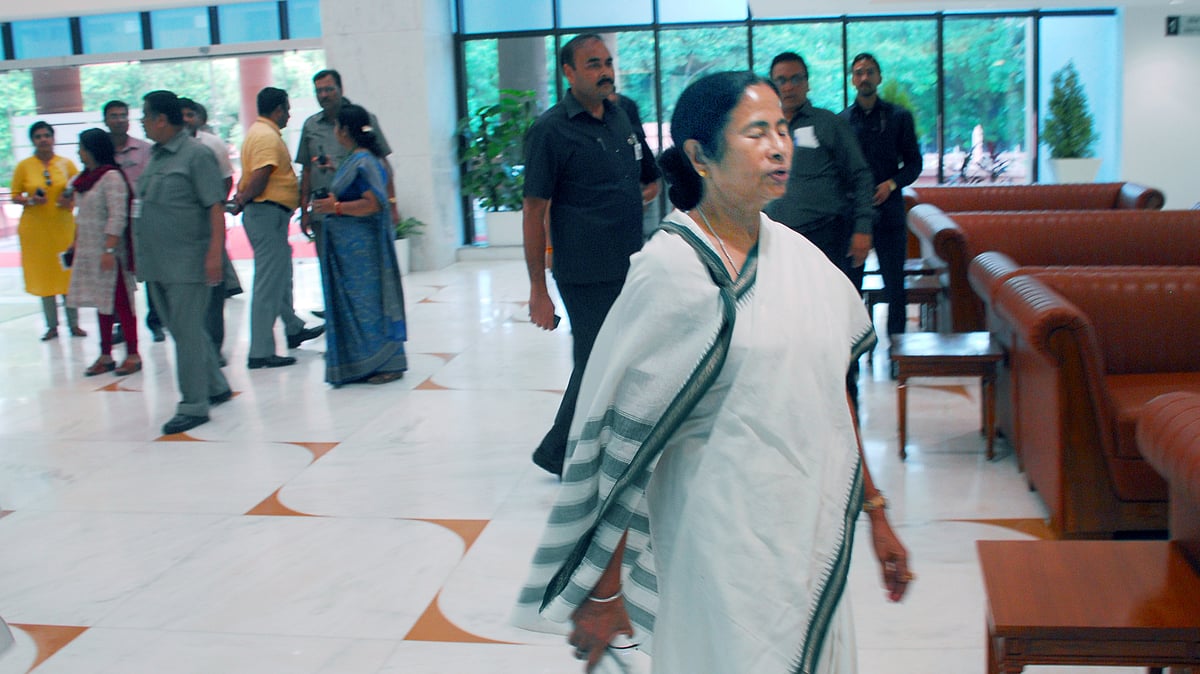
The resignation of two Trinamool Congress Rajya Sabha MPs within days has intensified speculation that some of the party's parliamentarians may eventually join the BJP. However, despite the political noise surrounding the departures of Sushmita Dev and Sukhendu Sekhar Roy, the actual extent of any larger exodus remains uncertain.
Political circles in Delhi and Kolkata are abuzz with rumours that more Trinamool MPs could leave the party. The speculation has been fuelled by a series of developments, including Sushmita Dev's meeting with Assam Chief Minister Himanta Biswa Sarma shortly after her resignation and reports that veteran MP Sukhendu Sekhar Roy has attracted interest from BJP leaders.
Yet neither leader has publicly confirmed any move to the BJP.
After resigning from the Rajya Sabha, Sushmita Dev described herself as "free and independent" but said she had not yet decided her political future.
The former Congress MP from Assam, who joined the Trinamool Congress in 2021, declined to criticise the party leadership. She said she remained grateful to the people of West Bengal for sending her to the Rajya Sabha and explained that her meeting with Himanta Biswa Sarma stemmed from a long-standing personal acquaintance.
Roy has taken a similarly cautious position. Amid speculation that he could eventually enter the BJP camp, he said, "I haven't made any decision yet. I have some personal and family matters to attend to. Only after those are concluded will I consider whether or not to remain in politics."
He also stated that he had received no proposal from the BJP and described his presence at a gathering involving dissident Trinamool MPs in Delhi as "purely coincidental".
Nevertheless, the resignations have weakened the Trinamool's strength in the Upper House. The party's tally has fallen from 13 to 11 seats.
The BJP's interest in both leaders stems from different factors.
In Roy's case, BJP leaders have pointed to his criticism of the Trinamool leadership during the controversy surrounding the rape and murder of a doctor at R.G. Kar Medical College. Some BJP figures privately argue that his willingness to publicly question the party's position increased his credibility beyond Trinamool ranks. Historical factors also play a role, with BJP leaders occasionally highlighting the legacy of his father, Shibendu Sekhar Roy, who was associated with the Hindu Mahasabha.
Sushmita Dev, meanwhile, comes from a Congress background. The daughter of former Union Minister Santosh Mohan Dev, she was once considered close to Rahul Gandhi before joining the Trinamool Congress in 2021. Her meeting with Himanta Biswa Sarma has naturally fuelled speculation because both politicians share deep roots in Assam politics.
The resignations have come at a politically difficult time for the Trinamool Congress.
Roy delivered a particularly sharp critique while announcing his departure.
"I was waiting for the right time and opportunity. I knew this would happen," he said.
He added, "This party has become completely cut off from the people; it has become alienated from the masses. There was never any ideology in this party—only programmes."
The BJP has seized on such comments as evidence of organisational decline.
State BJP spokesperson Debjit Sarkar claimed, "Politically, adhering to the principles of political science, the Trinamool Congress is heading towards its end. Not much time is left."
Another BJP leader, Nitin Navin, accused the party leadership of becoming disconnected from workers and voters, alleging that corruption had become entrenched at multiple levels.
The political reality, however, is more complicated than either side's narrative.
The resignations, coupled with public expressions of dissatisfaction from some MPs, have fuelled talk of a wider rebellion. However, reports suggesting that large numbers of MPs are preparing to join the BJP have not yet translated into formal resignations from Parliament. Similarly, claims regarding the scale of dissent vary widely depending on which political camp is speaking.
One of the most visible signs of discontent came from MP Satabdi Roy, who questioned the absence of introspection following the party's electoral setbacks.
"Even after such a crushing defeat, there was no analysis of why we lost. We were told to communicate via letters. I wrote many letters," she said.
She added that the lack of discussion after the election results was a major source of frustration.
Yet dissatisfaction within a party does not automatically translate into a permanent split.
Senior Trinamool leader Kalyan Banerjee has openly challenged the rebels.
"Their leader has changed; their leader is now Narendra Modi. If they possess political ethics and honesty, they should stop calling themselves Trinamool MPs," he said.
Banerjee argued that dissidents should resign and seek a fresh mandate from voters. He also dismissed suggestions that the BJP would necessarily welcome all defectors, saying the party knew them too well.
Importantly for the Trinamool leadership, not all MPs who have interacted with dissident groups have indicated a desire to quit.
Actor-turned-politician Dev attempted to calm speculation after attending a meeting that also involved BJP leaders.
"My love for Mamata Banerjee will remain lifelong. I am not joining the 'New Trinamool'; as long as Mamata Banerjee is alive, I stand with her," he said.
He added, "I went to Delhi as a Trinamool Congress MP, and I have come here today as a Trinamool Congress MP as well."
While Dev left open questions about the future, his remarks underscored that support for Mamata Banerjee still exists among prominent party figures.
The Trinamool Congress is clearly facing one of the most turbulent periods in its history. Electoral setbacks, internal disagreements and the departure of senior leaders have exposed weaknesses that were previously hidden behind the party's electoral dominance.
At the same time, predictions of the party's immediate collapse may be premature. The organisation still retains a significant political base, an established leadership structure and a loyal section of MPs, MLAs and grassroots workers.
For now, the departures of Sukhendu Sekhar Roy and Sushmita Dev represent a serious warning sign for the Trinamool Congress—but not necessarily the final chapter of the party's influence in West Bengal politics.
Join our official telegram channel (@nationalherald) and stay updated with the latest headlines