POLITICS
Bengal takes aim at convocation gowns, pushes khadi and Indian attire
Higher education department encourages khadi and handloom convocation wear, leaving universities free to devise their own designs
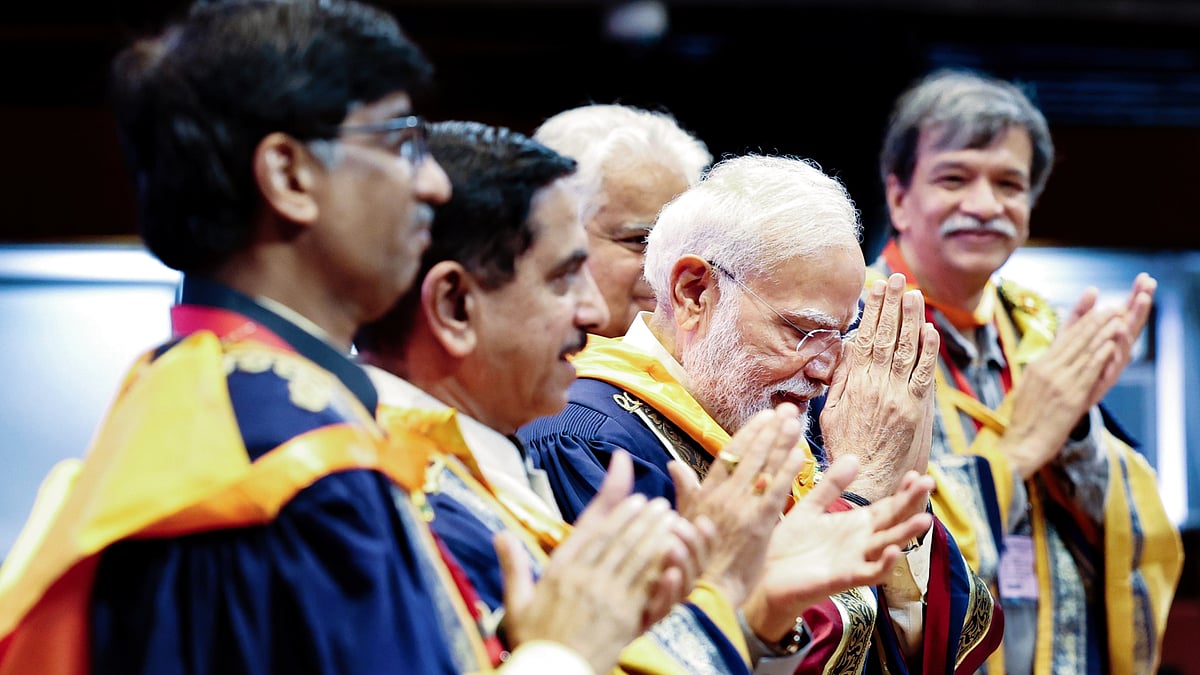
Higher education department asks state-aided and private universities to consider Indian attire for convocations
Universities free to design ceremonial clothing using Khadi, handloom and traditional garments such as the uttariya
Move sparks debate over cultural identity, university traditions, autonomy and practicality of replacing academic gowns
The West Bengal government has initiated a move to replace the traditional Western-style gowns and caps worn at university convocations with indigenous Indian attire, encouraging universities to adopt Khadi and handloom fabrics. While the government says the initiative will promote Indian culture and support rural weavers, the proposed change has also raised questions about tradition, university autonomy and the practicalities of introducing a new dress code.
In a notification issued on 23 November, the higher education department asked all state-aided and private universities to reconsider their existing convocation attire and develop designs reflecting India's cultural heritage. The directive refers to recommendations issued by the University Grants Commission (UGC) in 2015, 2019 and 2024, which encouraged universities to use Khadi and handloom fabrics and adopt clothing suited to the Indian climate.
The department has not prescribed a compulsory design. Instead, universities have been given the freedom to develop their own ceremonial attire, potentially incorporating traditional garments such as the uttariya, a ceremonial stole or scarf. Separate designs may also be introduced for vice-chancellors, invited dignitaries and students receiving undergraduate, postgraduate and doctoral degrees.
Universities have also been encouraged to extend the initiative to their affiliated colleges, upload photographs and videos of the new attire on the UGC portal, and inform the department about the steps taken towards implementation.
The move follows a series of developments that have brought the issue into the political spotlight. Higher education minister Jagannath Chattopadhyay recently broke with convention at a degree distribution ceremony at Jalpaiguri Government Engineering College by refusing to wear the academic gown and hood. Instead, he wore a traditional uttariya.
Explaining his decision in a post on X, the minister wrote, 'At the degree distribution ceremony of Jalpaiguri Government Engineering College, chose to uphold Indian traditions by replacing the conventional academic gown with a traditional uttariya.'
He added, 'As we strive to build a self-reliant Bharat, our education system must also reflect our civilisational values and cultural identity.'
The department had reportedly approached vice-chancellors on Sunday, asking whether replacing academic gowns with traditional Indian clothing would require amendments to university rules and regulations. Universities were also asked to submit proposals for such changes.
BJP MLA Sajal Ghosh has welcomed the proposed departure from Western academic clothing, questioning why universities should continue following a tradition that does not originate in India.
"These robes — what kind of attire are they, anyway? Why should people wear them?" he asked. Recalling his childhood, Ghosh said, "I remember that people used to go to photo studios just to wear it and get pictures taken. These robes — what kind of attire are they? Why should people wear them?"
He further argued, "Our own clothing styles have evolved over time. Besides, this attire is not indigenous; it is merely an imitation of Western styles. What is the objection to changing it? Change is the very essence of life."
However, the proposal also invites a wider debate about whether ceremonial clothing should be viewed primarily through the lens of cultural identity or academic tradition. Western academic gowns have long been associated with university ceremonies internationally, and their continued use does not necessarily prevent institutions from celebrating Indian heritage in other ways.
There are also practical considerations. A former vice-chancellor of a state-aided university pointed out that many convocations take place during winter. "For instance, Jadavpur University holds its convocation on 24 December. So wearing a gown in winter may not be uncomfortable," the former vice-chancellor observed.
Join our official telegram channel (@nationalherald) and stay updated with the latest headlines