POLITICS
Women’s groups flag haste in quota rollout, seek delinking from census, delimitation
Activists back reservation but question process, transparency ahead of Parliament session
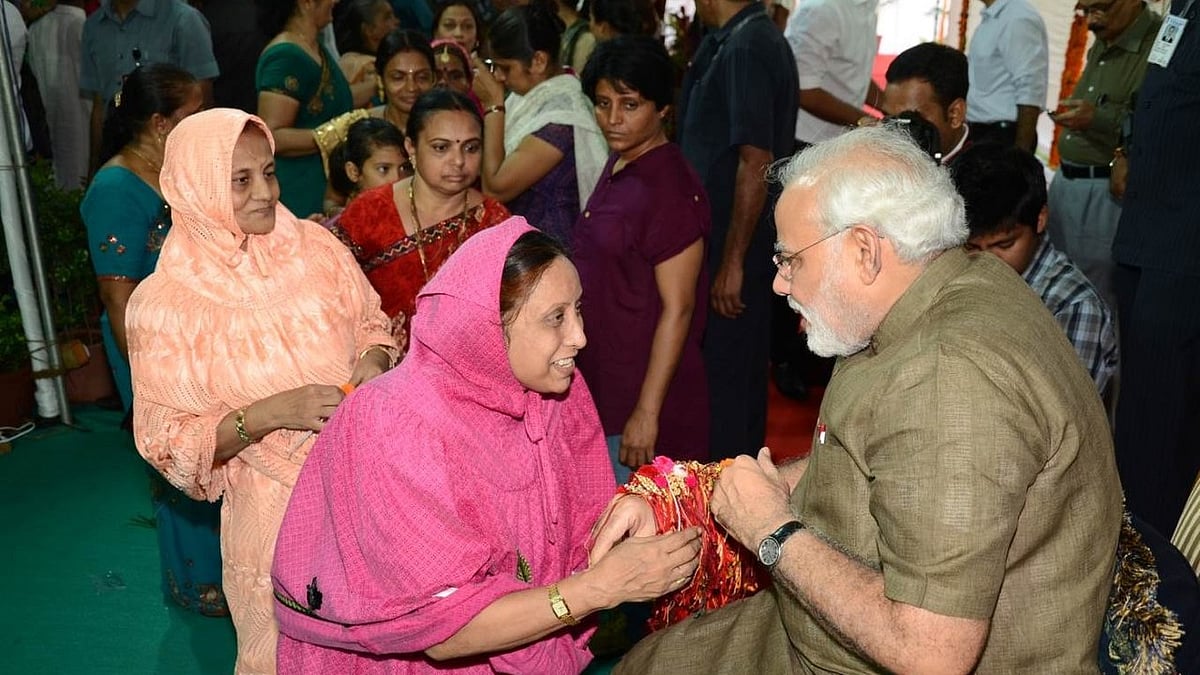
Women’s groups, activists and civil society members have raised concerns over the government’s approach to implementing the women’s reservation law, calling for wider consultations and seeking that the quota be delinked from census and delimitation exercises.
In an open letter addressed to MPs, a collective of 488 activists from 95 cities reiterated support for women’s reservation but criticised what they termed a “hurried move” to convene a parliamentary session amid ongoing state elections and the Model Code of Conduct.
“We deplore the hurried move… and the failure of the government to give adequate time for women’s groups to place their recommendations,” the letter said.
Prominent signatories include Ammu Joseph, Romila Thapar, Nandini Sundar and Yogendra Yadav.
Demand to delink quota from delimitation
The signatories argued that the 33 per cent reservation under the Nari Shakti Vandan Adhiniyam should not be tied to census data or delimitation.
They said:
Reservation can be implemented at current seat strength
State-wise distribution can follow existing seat shares
Adjustments can be made after future expansion
This, they argued, would allow immediate implementation without waiting for complex exercises.
Concerns over Election Commission role
The letter also raised doubts about the role of the Election Commission in identifying reserved constituencies, citing “grave doubts” about its impartiality.
Instead, activists proposed:
Special State Committees to identify reserved seats
Representation from political parties, independent candidates and election bodies
Mandatory one-third representation of women in such committees
Transparency concerns flagged
In a separate statement, endorsed by academics and former civil servants, activists flagged a “complete lack of transparency” in the legislative process.
They said details of proposed laws were emerging only through media reports based on unnamed sources, calling it a violation of the Pre-legislative Consultation Policy.
“The laws will fundamentally reshape India’s electoral democracy and impact every voter in the country,” the statement said.
The signatories termed the process a “flagrant violation” of citizens’ right to information.
Broader demands
While supporting early implementation of the quota, the groups also called for:
Separate discussion on Lok Sabha and assembly seat expansion
State funding for campaigns of marginalised women
A constitutional amendment to extend reservation to the Rajya Sabha
“It is a profound irony to introduce legislation for women’s empowerment while excluding women from the conversation,” the statement said.
Govt plan
The Union Cabinet has cleared draft bills to operationalise the law ahead of the 2029 Lok Sabha elections.
Proposals include:
Increasing Lok Sabha strength from 543 to 816 seats
Reserving 273 seats for women
Extending the framework to Union Territories with legislatures
The women’s reservation law, passed unanimously, seeks to provide one-third reservation for women in legislatures.
However, the current debate centres on its implementation framework, with activists pushing for immediate rollout and greater transparency in the legislative process.
Join our official telegram channel (@nationalherald) and stay updated with the latest headlines