Science Tech
Race to fix AI-exposed security flaws risks more outages, warns Microsoft
Brad Smith says Microsoft's outage was unrelated to AI or cyberattacks, while Bessent attributes banking glitches to security updates
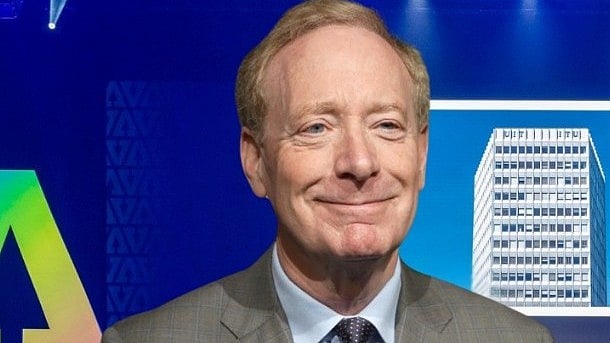
Microsoft president Brad Smith warns of months of potential disruptions as AI accelerates the discovery of software vulnerabilities, triggering a race to patch security flaws before hackers exploit them
He says rushed software updates, particularly on older systems, could cause fresh problems, urging companies to improve testing, coordination and ageing infrastructure
Smith clarifies Microsoft's recent outage was neither AI-related nor a cyberattack, while treasury secretary Scott Bessent describes recent banking disruptions as glitches linked to security updates
Microsoft president Brad Smith has warned that businesses and consumers should brace for months of potential disruption as artificial intelligence (AI) accelerates the discovery of software vulnerabilities, forcing companies to race against hackers to fix security flaws.
Speaking on CBS's Face the Nation on Sunday (local time), Smith said AI had significantly reduced the time needed to identify weaknesses in computer code. While the technology was helping companies strengthen their defences, it was also creating new opportunities for cybercriminals to exploit vulnerabilities.
He described the situation as a global race between technology companies seeking to patch security gaps and malicious actors looking to exploit them.
"People who have technology are using these systems to identify the vulnerabilities and patch at a pace we have never seen before to beat the bad actors so they can't use them to hack in," Smith said.
However, the accelerated pace of software updates could create problems of its own. Smith cautioned that companies, particularly those operating older systems, risked introducing fresh issues when installing patches without adequate testing.
"I think we have to be prepared, frankly, for the coming months because this isn't the type of thing that just gets done in a couple of weeks," he said.
Smith also clarified that Microsoft's recent service disruption was neither linked to AI nor the result of a cyberattack.
"And you're right, it was not linked to A.I. It wasn't a cyberattack," he said.
He attributed the outage to an interaction between a software update introduced four months earlier, a more recent update and changes in network traffic.
Acknowledging the disruption, Smith apologised to affected users and said Microsoft had published two reports explaining the incident. The company had completed nine corrective measures and identified another 13 steps that remained to be taken.
Despite the risks associated with rapid software changes, Smith urged consumers to install security updates on their phones and laptops, saying they remained essential to protecting devices.
For businesses, he called for more rigorous testing of updates, better coordination between IT teams and the replacement of ageing technology infrastructure. He also stressed the need for closer cooperation between governments and technology companies, particularly in sharing information about emerging cyber threats.
"The whole information infrastructure of the world is in effect being upgraded right now," he said.
Separately, US Treasury Secretary Scott Bessent sought to reassure Americans about the resilience of the banking system following recent technology-related disruptions.
In another interview on the programme, Bessent said financial institutions had spent decades strengthening their defences against cyberattacks and described the recent banking problems as glitches associated with security updates.
Comparing the process to vaccination, he said temporary discomfort could accompany measures that ultimately provided greater protection.
Smith's warning, however, was that the rapid pace of AI-driven vulnerability detection and software repairs could trigger further disruptions in the coming months, even as companies work to strengthen their cybersecurity defences.
With IANS inputs
Join our official telegram channel (@nationalherald) and stay updated with the latest headlines