Business
December IndiGo chaos stranded over 1.6m passengers, DGCA figures reveal
Regulator’s figures reveal scale of cancellations and delays, raising concerns over staffing and preparedness
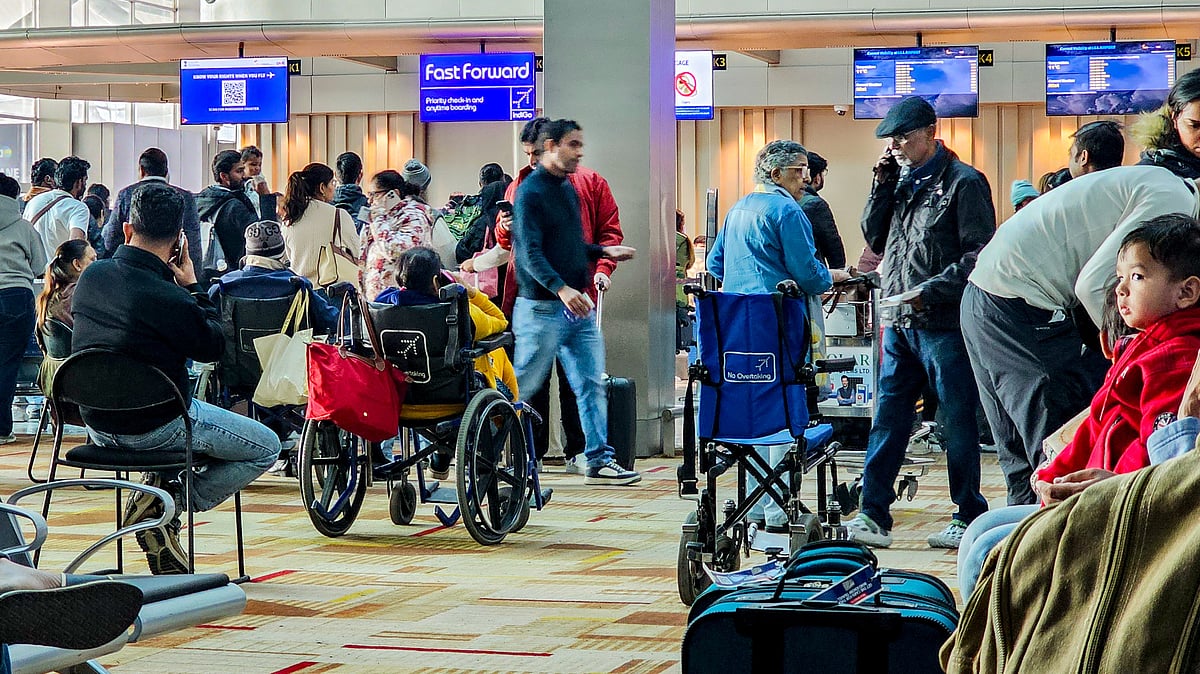
More than 1.6 million domestic air passengers were stranded across Indian airports in December 2025 after IndiGo flights were cancelled or delayed, according to data compiled by the aviation regulator, highlighting the depth of the operational disruption faced by the country’s largest airline.
Monthly traffic figures from the Directorate General of Civil Aviation (DGCA) show that around 1.62 million flyers were affected due to the non-availability of IndiGo aircraft or crew during the month. The data, reported by The Times of India, provides the first official measure of the chaos that had prompted widespread complaints and viral images of frustrated passengers confronting airline staff.
Of those affected, about 980,000 passengers were impacted by outright cancellations, while another 640,000 were stranded due to delays exceeding two hours. The disruption extended beyond IndiGo, though on a much smaller scale. More than 43,000 passengers flying with Air India and Air India Express were affected by cancellations, and nearly 120,000 experienced long delays.
The DGCA report, based on information submitted by domestic carriers, shows that IndiGo spent approximately Rs 22.7 crore in December on refunds, rebookings and other passenger assistance measures. The airline has not disclosed how many passengers were eligible for compensation or how many claims have been settled so far.
In late January, IndiGo assured regulators that it would be able to maintain smooth operations even after temporary exemptions to Flight Duty Time Limitation (FDTL) norms are withdrawn from 10 February. The airline said it has adequate pilots on its roster to comply with stricter rules.+-
Aviation experts, however, remain cautious. Civil aviation specialist Captain M Ranganathan warned that staffing gaps could persist once the new regulations are fully enforced. He said airlines require significantly higher pilot numbers per aircraft under updated norms, and current rosters may still fall short.
“There is a real risk of further disruption if pilot availability is not aligned with the new requirements,” he said, adding that unresolved staffing issues could trigger fresh operational stress.
Pilots have also pointed to remuneration as a structural problem. Several told The Times of India that salaries in Indian aviation lag behind global standards, while pilots remain among the highest taxpayers, contributing to attrition and fatigue.
For regulators and airlines alike, the December figures underline a stark reality: future assurances will be measured not by intent, but by tangible capacity, workforce depth and the system’s ability to absorb operational shocks without stranding passengers on a similar scale again.
Join our official telegram channel (@nationalherald) and stay updated with the latest headlines