Business
IndiGo appoints Willie Walsh as CEO, replaces Pieter Elbers
Appointment comes amid focus on operational reliability, regulatory scrutiny and fleet challenges
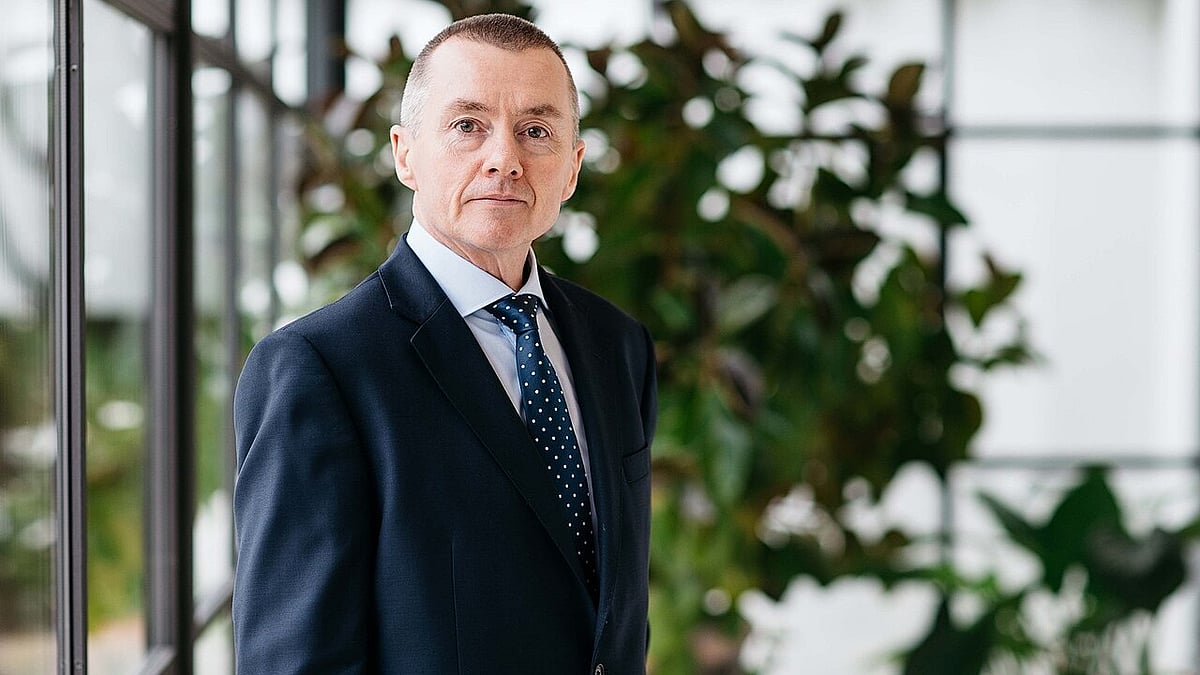
IndiGo has appointed aviation veteran Willie Walsh as its Chief Executive Officer, replacing Pieter Elbers, as the airline seeks to stabilise operations following recent disruptions and prepare for its next phase of growth in a highly concentrated aviation market.
The appointment, approved by the board of InterGlobe Aviation, is subject to regulatory clearances. Walsh is expected to assume charge by 3 August, shortly after completing his tenure as Director General of the International Air Transport Association (IATA) on 31 July.
Leadership change amid operational pressures
The transition follows Elbers’ resignation on 10 March and comes at a time when IndiGo has faced increased scrutiny over operational reliability.
In recent weeks, the airline has seen a series of flight disruptions and delays across its network, affecting passenger schedules and drawing regulatory attention. These issues, coupled with fleet-related constraints and operational bottlenecks, have put pressure on the airline’s service standards.
The leadership change is seen as part of a broader effort by the airline to reset its strategy, improve operational efficiency and restore customer confidence.
Duopoly in Indian aviation
IndiGo remains the dominant player in India’s aviation sector, commanding the largest share of the domestic market. Alongside the Tata Group-owned airline ecosystem — including Air India, Air India Express and Vistara — the industry has effectively evolved into a duopoly.
Following the Tata Group’s consolidation of airlines under its umbrella, including the merger of Air India and Vistara, and integration of low-cost operations, the combined entity has emerged as the primary competitor to IndiGo.
Together, IndiGo and Tata Group airlines account for a substantial majority of India’s domestic passenger traffic, leaving limited space for smaller carriers.
Industry observers say this duopoly structure has increased the systemic importance of both players. Operational disruptions at either airline can have a ripple effect on fares, capacity and passenger mobility across the country.
At the same time, the competitive dynamic between IndiGo and the Tata Group is expected to intensify as both expand fleets, strengthen international networks and invest in service upgrades.
Experience and mandate
Walsh brings decades of global aviation experience, having led major carriers such as Aer Lingus, British Airways and International Airlines Group, where he oversaw mergers, restructuring and operational transformation.
IndiGo chairman Vikram Singh Mehta said Walsh’s experience in handling complex airline operations would help strengthen the carrier.
Managing director Rahul Bhatia said the appointment comes at a pivotal phase, citing Walsh’s operational expertise and global perspective.
Strategic priorities ahead
As CEO, Walsh will be responsible for overall management and long-term strategy, with key priorities including improving operational performance, addressing recent disruptions, enhancing passenger experience and expanding the airline’s international footprint.
He is expected to work closely with the leadership team to streamline operations, improve on-time performance and manage fleet challenges, while maintaining IndiGo’s cost leadership.
Walsh said IndiGo has a strong foundation and is well positioned to capitalise on evolving global aviation trends, adding that his focus would be on efficiency, innovation and collaboration.
However, the airline 'strong foundation' came under the scanner in December 2025, with IndiGo's biggest-ever operational crisis, marked by over 4,200 flight cancellations and widespread delays. This was widely viewed as a significant management failure due to inadequate planning for new DGCA Flight Duty Time Limitation (FDTL) norms, which reduced pilot rest periods and clashed with the airline's tight scheduling model.
Civil Aviation Minister Ram Mohan Naidu publicly blamed "gross mismanagement" and "internal lapses" in crew rostering systems, noting that IndiGo prematurely implemented the rules without sufficient buffers for peak season demand, fog, and a global IT outage, leading to a domino effect of crew shortages.
The DGCA fined the airline a record amount for failing to identify planning gaps, while pilots and analysts criticized cost-cutting priorities over operational resilience, with CEO Pieter Elbers later admitting the airline "failed our customers" despite downplaying the duration.
This perception was reinforced by poor crisis communication, last-minute passenger notifications, and overwhelmed support channels, ultimately denting market confidence and prompting leadership changes like the CEO's resignation.
Market outlook
India is among the fastest-growing aviation markets globally, with rising passenger demand and increasing connectivity. However, the concentration of market power in two dominant groups—IndiGo and the Tata Group—has sharpened focus on competition, pricing and service standards.
The coming months are likely to test IndiGo’s ability to address operational challenges while competing with an increasingly aggressive rival in the Tata Group, even as Walsh prepares to take charge of the airline’s next growth phase.
Join our official telegram channel (@nationalherald) and stay updated with the latest headlines