Business
Middle East crisis may pose short-term risks to Indian economy: RBI MPC member
Nagesh Kumar says higher oil prices and trade disruptions could create near-term pressures but long-term growth remains intact
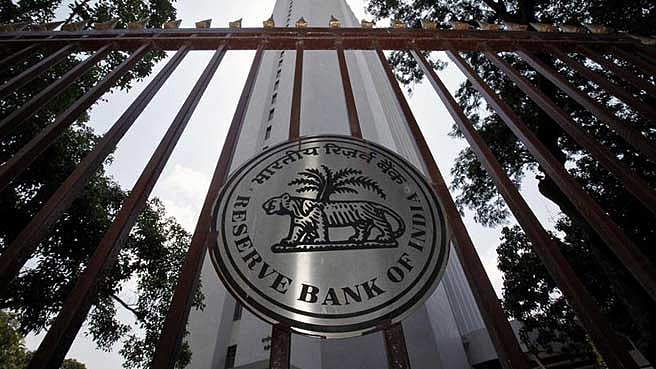
The ongoing conflict in the Middle East could present short-term challenges for the Indian economy, although it is unlikely to significantly affect the country’s long-term growth prospects, according to Nagesh Kumar, an external member of the Reserve Bank of India’s rate-setting panel.
In an interview, Kumar said the immediate concerns arising from the crisis include rising oil prices, disruptions to exports bound for the region and potential effects on remittances from Indians working in the Gulf.
He noted that the escalation in hostilities could also raise security concerns for the large Indian diaspora living in Middle Eastern countries.
“The outbreak of the conflict in the Middle East poses some immediate-term challenges for the Indian economy by pushing up oil prices, affecting exports to the region and potentially impacting remittance flows,” Kumar said.
He added that the conflict has intensified following military strikes involving the United States and Israel, a development that could keep global crude oil prices elevated in the near term.
Despite these risks, Kumar expressed optimism that the crisis would eventually ease, given the significant global economic and geopolitical stakes in the region.
Looking ahead, he emphasised the need for fiscal and monetary policies to work in tandem to support stronger economic expansion and place India’s gross domestic product growth on a higher trajectory.
Kumar also highlighted that diversifying sources of crude oil imports could help India reduce vulnerabilities arising from geopolitical tensions in energy-producing regions.
With PTI inputs
Join our official telegram channel (@nationalherald) and stay updated with the latest headlines