Business
Oil prices climb as Strait of Hormuz disruption fuels global supply fears
Brent crude rises above $104 a barrel as shipping stalls and calls grow to reopen key energy route
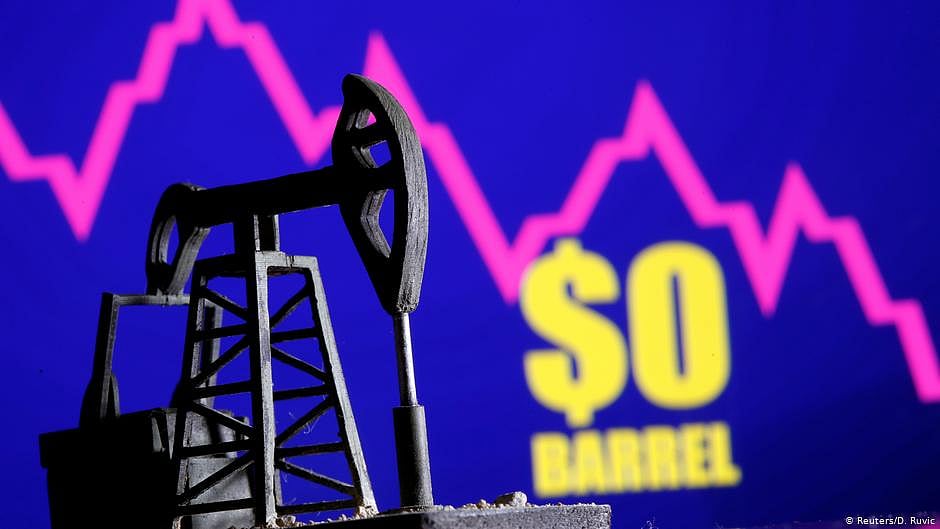
Oil prices continued to rise at the start of the week as the ongoing disruption to shipping through the Strait of Hormuz heightened concerns over global energy supplies.
Brent crude, the international benchmark for oil prices, briefly climbed by about three per cent on Sunday to exceed $106 a barrel before easing slightly. By early Monday, it was trading at $104.63 a barrel at around 04:30 GMT, up nearly 1.5 per cent.
The gains come as the crucial maritime passage remains effectively closed following escalating tensions in the region. The Strait of Hormuz typically handles roughly one-fifth of the world’s oil shipments, making it one of the most important routes for global energy trade.
United States President Donald Trump has urged other countries to assist in efforts to restore shipping through the waterway. However, his call has so far received a cautious response, with nations he specifically mentioned, including China, Japan, France and the United Kingdom, yet to publicly commit naval support.
In an interview with the Financial Times on Sunday, Trump warned that NATO could face a “very bad” future if member states fail to respond positively to the proposal.
Shipping traffic through the strait has largely halted after Iran moved to block the passage in retaliation for recent strikes carried out by the United States and Israel on Iranian targets.
The International Energy Agency has described the disruption as the largest shock to global energy supplies on record.
Oil prices have surged by more than 40 per cent since the conflict began, raising fuel costs worldwide and increasing fears of economic slowdown.
According to the United Kingdom Maritime Trade Operations (UKMTO) centre, only a handful of vessels have managed to pass through the strait each day since the start of hostilities. Historically, the narrow channel sees an average of around 138 ship transits daily.
The UKMTO also reports that at least 16 commercial vessels have been attacked in the region since the conflict escalated on 28 February.
The Trump administration has said it is prepared to send the US Navy to escort commercial ships through the strait if required. However, officials indicated that such operations are unlikely to begin until Iran’s military capabilities have been further weakened.
The Strait of Hormuz lies between Iran, Oman and the United Arab Emirates and is widely regarded as one of the world’s most strategically important maritime chokepoints for energy supplies.
Join our official telegram channel (@nationalherald) and stay updated with the latest headlines