Economy
Rising fuel and food costs deepen inflation pressures in US
Energy price surge and higher grocery bills squeeze household budgets as consumer spending power weakens
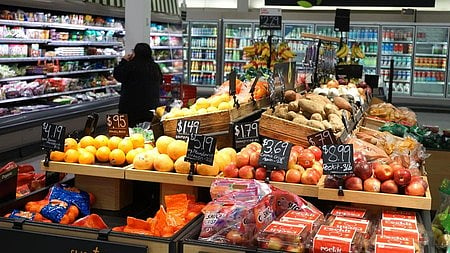
Americans are facing mounting financial pressure as the cost of fuel, groceries and housing continues to rise, with economists warning that geopolitical tensions and energy market disruptions are fuelling a renewed surge in inflation across the United States.
Latest figures released by the US Bureau of Labor Statistics showed that the Consumer Price Index rose 3.8 per cent in the 12 months to April, marking the fastest annual inflation rate since 2023.
Inflation increased by 0.6 per cent during April alone, driven largely by sharp rises in energy and food prices. Economists say disruptions to oil supplies linked to instability in the West Asia and concerns over shipping routes through the Strait of Hormuz have significantly pushed up fuel costs.
According to the data, the energy index climbed 17.9 per cent over the year to April, while petrol prices surged 28.4 per cent. Energy costs accounted for more than 40 per cent of the monthly increase in inflation during April.
National average petrol prices have now risen above 4.50 US dollars per gallon, according to the American Automobile Association.
Analysts noted that higher fuel prices tend to affect the broader economy, as increased transportation and shipping costs are often passed on to consumers through higher prices for goods and services.
Food prices have also continued to climb, adding further strain to household finances. The index tracking grocery inflation rose 0.7 per cent in April, with noticeable increases recorded in the prices of beef, coffee, fruits and vegetables.
For many lower- and middle-income families, rising grocery costs are proving particularly difficult, as food accounts for a larger share of household spending.
Housing costs also remained elevated. The Bureau of Labor Statistics said both rent and owners’ equivalent rent rose by 0.5 per cent during April, continuing a trend of persistent increases in shelter expenses.
Economists are increasingly concerned that wages are no longer keeping pace with inflation. Real average hourly earnings fell 0.5 per cent between March and April and were down 0.3 per cent compared with the same period last year, indicating a decline in consumer purchasing power despite nominal wage growth.
As living costs rise faster than incomes, households are increasingly cutting discretionary spending, relying more heavily on credit cards and delaying major purchases.
Residents across the country say the impact is being felt in everyday life. Maxi Baker, a mother of two from Glendale, said the cost of almost everything had risen sharply, while Los Angeles retail worker Denise Cohn said household budgets were becoming increasingly difficult to manage as “money doesn’t stretch as far”.
With IANS inputs
Join our official telegram channel (@nationalherald) and stay updated with the latest headlines