Environment
India scrapes the bottom of environment index in 2026 report
India finishes second from bottom among 177 countries, with air pollution, coal dependence and weak biodiversity protection weighing on its score
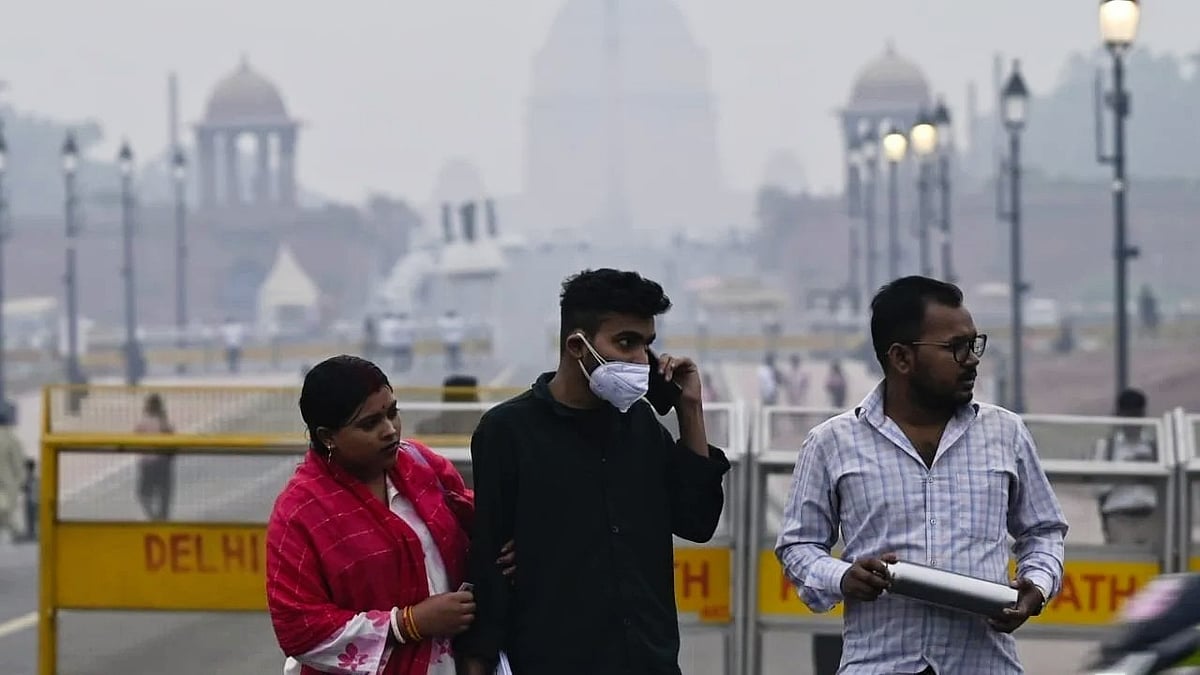
India has ranked 176th out of 177 countries in the Environment Performance Index (EPI) 2026, finishing second from the bottom in a global assessment of environmental health, ecosystem vitality and climate change mitigation.
India recorded an overall EPI score of 22.46 out of 100, ahead only of Laos, which ranked last with a score of 21.78. Estonia retained the top position with a score of 74.79.
India also ranked last among eight South Asian countries assessed in the index.
The EPI is compiled every two years by researchers from institutions including Yale and Columbia universities. The 2026 edition assessed 177 countries on 47 environmental indicators across 12 issue categories and three broad policy objectives.
Environmental health accounted for 25 per cent of the overall score, ecosystem vitality for 45 per cent and climate change mitigation for 30 per cent.
India ranked 174th in environmental health, 171st in ecosystem vitality and 130th in climate change mitigation.
“India, whose per-capita emissions remain relatively low but are growing rapidly, faces an acute development-versus-pollution tension as hundreds of millions of people gain access to modern energy services but at the price of serious urban air pollution and spiking GHG emissions,” the report said.
Researchers attributed India's weak performance to severe air quality problems, continued dependence on coal-fired power and inadequate biodiversity protection.
Several air quality indicators covering a 10-year period showed negative trends, including the burden of death and disease linked to exposure to fine particulate matter and exposure to carbon monoxide and sulphur dioxide.
India also recorded a particularly weak score for the effectiveness of its Marine Protected Areas, with the indicator registering a negative value of -51.77.
The country's Regional Marine Trophic Index recorded a change of -10.27. Zachary Wendling, research director for the EPI at the Yale Centre for Environmental Law and Policy, said the indicator could suggest that fishing activity was increasingly shifting towards species lower down the food chain after higher-level fish stocks were overexploited.
“That is the intent of this metric, though among scientists and economists, there are alternative explanations, for example, a fishing fleet may switch effort to catching a lower trophic level not because higher-level species are scarce but because lower-level species are more profitable,” Wendling told The Wire.
India shows improvement over 10 years
Despite its low overall ranking, India's 10-year change in EPI performance remained positive at 7.47. This was higher than countries including Romania, which registered a decline of 0.91, and the Dominican Republic, where the score fell by 3.04.
Wendling said applying the EPI's current methodology to historical data showed that India's environmental performance had improved over time.
While emissions remain high, the rate of increase in some pollutants, including sulphur dioxide and nitrogen oxides, has slowed, he said.
“While emissions of carbon dioxide and some other greenhouse gases are still too high and rising, they are not rising as quickly as they have in the past,” Wendling said.
The 2026 index also included grassland conversion as an indicator for the first time. Researchers said grasslands play an important role in carbon sequestration and provide several ecosystem services but have received comparatively little policy and conservation attention.
Methodologies used by the EPI can change between editions, making direct comparisons across years difficult. The 2022 index assessed 40 performance indicators, while the 2024 edition used 58 indicators.
India was ranked 176th among 180 countries in the 2024 EPI and finished last, at 180th, in the 2022 edition.
European countries dominate top rankings
Estonia retained the top position in the 2026 rankings, with researchers citing a substantial reduction in greenhouse gas emissions from power generation over the past decade.
The country increased renewable electricity generation and reduced fossil fuel production, while also performing strongly on biodiversity and ecosystem protection.
European countries occupied all five top positions. Luxembourg ranked second, followed by the United Kingdom, Finland and the Netherlands.
India previously rejected EPI findings
The Union Environment Ministry had rejected the EPI's findings after India was ranked last in the 2022 edition, saying it did not accept the index's analysis and conclusions.
The ministry had alleged that the assessment was based on “surmises and unscientific methods” and raised concerns over changes in methodology and the treatment of India's historical emissions.
The government also questioned changes in the ranking and weight assigned to different environmental indicators.
EPI researchers, however, maintained that the index assesses countries on the current state of environmental conditions rather than historical emissions or stated policy intentions. The EPI's lead scientist had also said the team was willing to work with the Indian government as the assessment methodology evolved.
Join our official telegram channel (@nationalherald) and stay updated with the latest headlines