Environment
Iran war emitted 5 million tonnes of carbon dioxide in 2 weeks, as much as 84 countries
Study flags climate impact of strikes on infrastructure, fuel use and oil fires
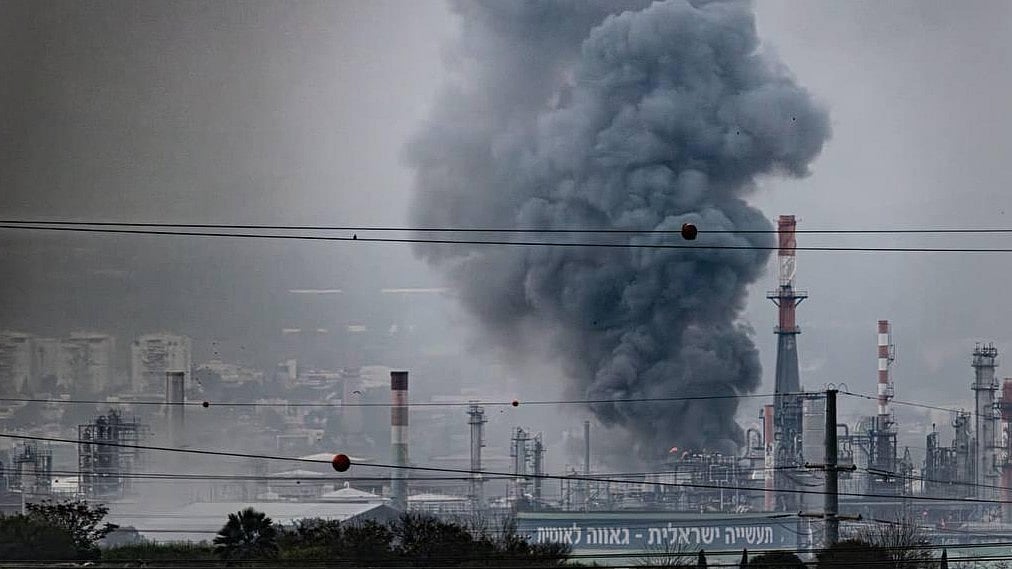
The ongoing US-Israel conflict involving Iran has generated greenhouse gas emissions equivalent to those of 84 of the world’s lowest-emitting countries combined within just two weeks.
The analysis, conducted by The Guardian, estimated total emissions of about 5.05 million tonnes of CO₂ equivalent (tCO2e) in the first 14 days of the conflict, driven by large-scale destruction of infrastructure, fuel consumption in military operations and fires at oil facilities.
The largest share of emissions — around 2.4 million tCO2e — came from destruction of civilian infrastructure, including an estimated 20,000 buildings damaged during the conflict, based on humanitarian assessments.
Researchers said such destruction carries significant embedded carbon costs and will likely lead to further emissions during reconstruction.
Fuel consumption and oil fires
Fuel usage by military operations accounted for approximately 529,000 tCO2e, with aircraft, naval vessels and ground vehicles estimated to have consumed between 150 million and 270 million litres of fuel.
Strikes on fuel depots and energy infrastructure also contributed heavily. The analysis estimated that between 2.5 million and 5.9 million barrels of oil were burned in attacks and retaliatory strikes, producing about 1.88 million tCO2e.
Destroyed military assets — including aircraft, naval vessels and missile systems — contributed an estimated 172,000 tCO2e, while the extensive use of bombs, missiles and drones added about 55,000 tCO2e, the study said.
The estimates were based on reported strikes on more than 6,000 targets and retaliatory launches involving missiles, drones and interceptors.
Researchers warn of rising emissions
Patrick Bigger of the Climate and Community Institute said the conflict highlights the climate cost of modern warfare.
“Every missile strike is another downpayment on a hotter, more unstable planet,” he said.
Lead author Fred Otu-Larbi warned that emissions could increase rapidly as attacks on oil and gas infrastructure continue.
“Burning up the annual emissions of Iceland in two weeks is something we really cannot afford,” he added.
Impact on global carbon budget
The study said the emissions generated in the first two weeks are equivalent to 131 million tonnes annually, comparable to a mid-sized fossil fuel-dependent economy such as Kuwait.
Scientists estimate that about 130 billion tonnes of CO₂ remain in the global carbon budget to keep warming below 1.5°C, which could be exhausted by 2028 at current emission rates.
Researchers said conflicts centred around fossil fuel infrastructure risk accelerating climate change and could lead to increased oil and gas production.
They warned that disruptions to energy supply chains historically trigger new investments in fossil fuel extraction, potentially locking in higher emissions for decades.
Join our official telegram channel (@nationalherald) and stay updated with the latest headlines