Environment
Maharashtra prepares for possible El Niño impact, Fadnavis orders water management push
State told to expedite conservation works, plan for below-normal rainfall and heatwave risks
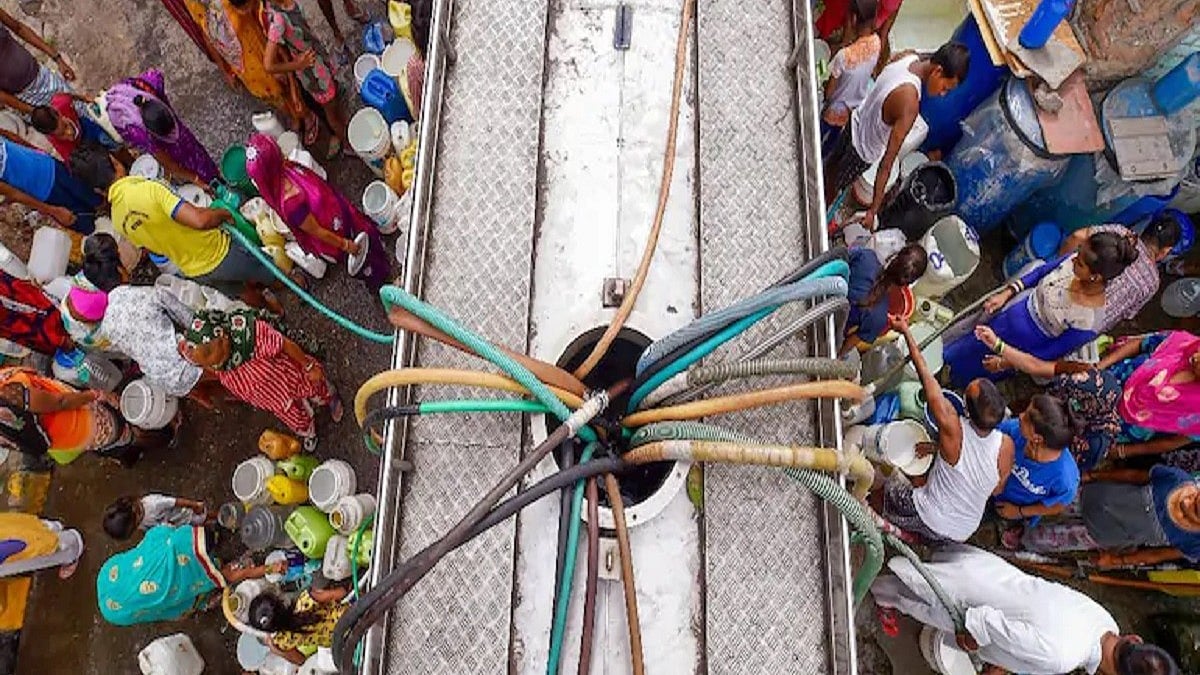
The Maharashtra government is preparing to tackle a possible El Niño impact, with Chief Minister Devendra Fadnavis on 20 April directing departments to prioritise water management, accelerate conservation works and ensure coordinated preparedness.
Chairing a high-level review meeting in Mumbai, Fadnavis said the state must mitigate the impact of a potential El Niño through “advance planning, effective implementation and inter-departmental coordination”.
He stressed the need for “proper planning of available water, speeding up water conservation works and taking up repair and rejuvenation of old water sources on priority”.
According to the IMD (India Meteorological Department), the El Niño impact is likely to peak in August and September, with below-normal rainfall expected during the monsoon season. Officials said while temperatures in May may remain relatively moderate, more frequent heatwave conditions are likely.
They added that a positive Indian Ocean Dipole could partly offset adverse effects, according to an official release.
Water storage, drought lessons and preparedness
Fadnavis said current water storage levels are comparable to those seen during the 2015 El Niño year.
“In 2015, water storage in the state was only 45 per cent even after the monsoon. At present, we have a similar level of storage before the monsoon begins. With proper planning, we can effectively deal with the situation,” he said.
He noted that lessons from the 2015 El Niño helped protect crops in 2018 through timely interventions. However, irregular rainfall patterns, particularly in Marathwada, had caused stress to crops due to prolonged dry spells.
“Enhancing water conservation and increasing storage capacity is essential. Protective irrigation can reduce crop losses during such periods,” he said.
The chief minister directed that works under the Jalyukt Shivar Yojana and the ‘Galmukt Dharan, Jalyukt Shivar’ programme be prioritised and executed on a large scale, with immediate fund allocation by the finance department.
He also called for scaling up water conservation works under the Rural Work Guarantee Act to ensure optimal use of funds.
District task forces, agriculture and livestock focus
Fadnavis said preparations must begin immediately if rainfall drops below 90 per cent, warning of significant impact on drinking water supply and agriculture.
“Planning for drinking water should factor in not just this year, but also the next summer,” he said, emphasising the need for efficient storage and use.
He directed the formation of district-level task forces involving collectors, irrigation officials and local self-government representatives to oversee preparedness measures.
On livestock, Fadnavis warned of possible fodder shortages and called for urgent action. “As El Niño is likely to affect other states as well, we should not depend on external supply,” he said.
He suggested using dam backwater areas for fodder cultivation and called for special focus on Solapur, Sangli and the Marathwada region.
The chief minister also stressed timely fertiliser availability and transparency in distribution. “Fertiliser distribution should be linked with the AgriStack system, and monitoring strengthened using artificial intelligence,” he said.
Agriculture department outlines measures
Agriculture Minister Dattatray Bharne said the department has initiated preparatory steps to address potential challenges from erratic rainfall.
“To prevent crop losses during the kharif season, timely supply of fertilisers is critical. Instructions have been issued for planned distribution of DAP and inspection of sales centres to avoid artificial shortages,” he said.
He added that measures are in place to address possible fodder shortages, with agencies directed to maintain adequate stocks of seeds and fodder.
“In case of re-sowing, additional seeds will be made available. The farm pond scheme should be implemented effectively, and necessary materials such as plastic lining should be provided to farmers,” he said.
Bharne said the agriculture department is fully prepared and is taking steps to minimise potential losses.
El Niño is a climate pattern marked by the warming of surface waters in the eastern tropical Pacific Ocean, which can disrupt global weather systems and weaken the Indian monsoon.
India has experienced adverse agricultural and water stress impacts during past El Niño years, making early planning and resource management critical for states dependent on monsoon rainfall.
Join our official telegram channel (@nationalherald) and stay updated with the latest headlines