Environment
US, China lead historical emissions as Russia, Saudi Arabia & Australia top fossil fuel exporters list
Analysis of fossil fuel exports since 1850 finds Russia responsible for nearly 70 gigatonnes of exported CO2, followed by Saudi Arabia and Australia, while US and China remain biggest emitters overall
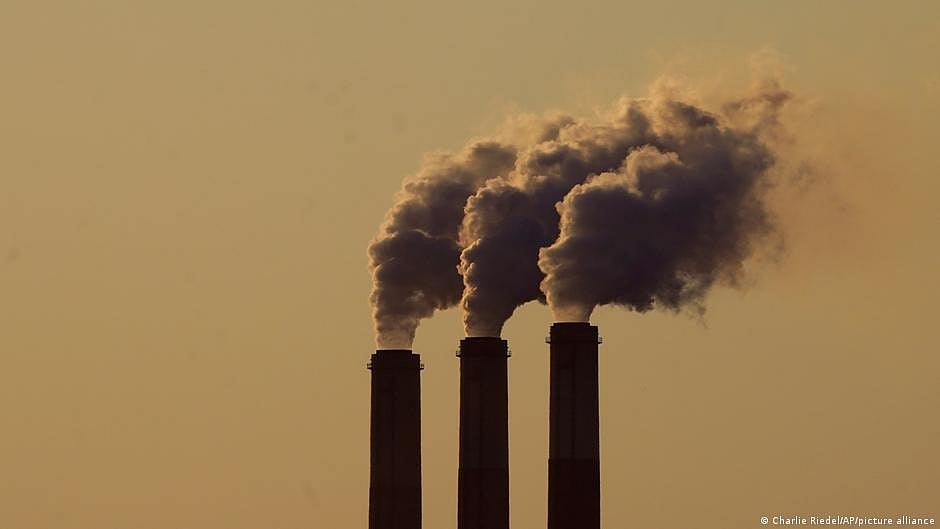
The US and China remain the world's biggest contributors to historical greenhouse gas emissions, while Russia, Saudi Arabia and Australia rank as the largest exporters of fossil fuels when emissions from the burning of their exports are taken into account, according to a new analysis by Carbon Brief.
The analysis, based on fossil fuel exports since 1850, attributes responsibility for carbon dioxide emissions to the countries where the fuels were extracted, rather than only to the countries where they were burned.
Russia tops the list of fossil fuel exporters, with its vast coal, oil and gas reserves accounting for nearly 70 gigatonnes of CO2 emissions from exported fuels up to the end of 2025. Saudi Arabia follows with around 60 gigatonnes, while Australia ranks third with more than 25 gigatonnes, narrowly ahead of Venezuela.
The findings come as Australia co-presides over this year's UN climate summit, COP31, in Turkey. Fossil fuels account for around two-fifths of its export economy, and the country has yet to set an end date for their use or export.
Louise Hutchins, convener of the Make Polluters Pay International Coalition, said the analysis highlighted contradictions in climate negotiations, where governments claim there is insufficient funding to address the climate crisis while major fossil fuel exporters continue to wield political influence.
"Just look at Australia. Its contribution to global heating more than doubles when fossil fuel exports are counted. Yet it is co-presiding over the very negotiations where climate finance talks are once again in stalemate," she said.
The analysis offers a different way of assessing historical responsibility for emissions. Most conventional assessments attribute emissions to the countries where fossil fuels are consumed. By tracing the fuels to the countries where they were extracted, the new analysis places major exporters higher on the list.
However, the US and China still bear greater responsibility for historical emissions than Russia, Saudi Arabia and Australia because they have not only imported large quantities of fossil fuels but also burned substantial amounts of their own supplies.
The findings come amid continued disagreements at COP31 over the transition away from fossil fuels. The outcome of COP28 in Dubai in 2023 called on countries to contribute to a global transition away from fossil fuels but did not establish a timetable or workplan.
On Monday, Australia released the first draft of a possible COP31 outcome, which included a call for "the immediate transition away from fossil fuels in energy systems".
However, several countries, including Saudi Arabia, have hardened their negotiating positions since Dubai. The absence of the US under President Donald Trump has also reduced pressure on countries to reach compromises. Saudi Arabia, Russia and allies in the Arab group are opposing even the idea of adopting a cover text, raising concerns over further delays in negotiations.
A separate analysis by climate thinktank Climate Analytics found that Australia had no clear plans to reduce its fossil fuel extraction despite co-presiding over the summit. Coal mines are still being approved that could remain operational until 2088, decades beyond the period by which countries are expected to reach net-zero greenhouse gas emissions.
Climate Analytics chief executive Bill Hare said Australia's position reflected a contradiction between its international climate commitments and its domestic fossil fuel policies.
Saudi Arabia defended its position, saying it accounted for approximately 1% of historical global CO2 emissions within its borders. A representative of the Saudi energy ministry told The Guardian that importing countries decided how the oil was used and what technologies were employed, making it misleading to attribute the resulting emissions solely to exporters.
The representative added that Saudi Arabia was pursuing emissions reductions and cited research identifying its crude oil among those with the lowest upstream carbon intensity.