World
20 days of war on Iran: US, Israel angry and desperate
Israel bombing natural gas plants in Iran for the first time shows growing desperation to bring war to an end, drag Gulf nations in
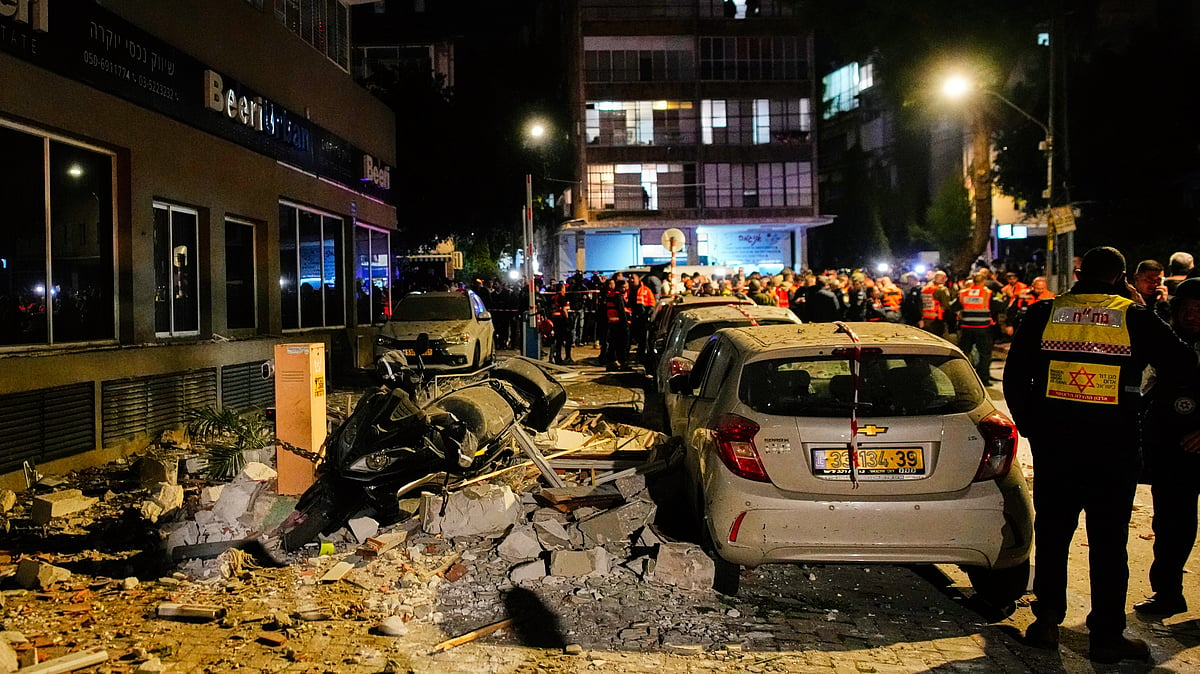
What explains the sharpening rhetoric and widening scope of attacks against Iran from Washington DC and Tel Aviv? Both the United States and Israel had initially projected confidence that the war would be swift — over within a week. Nearly three weeks in, that expectation has not held. Iran’s resistance has proven far more sustained than anticipated, and the result is increasingly visible: rising frustration, harder targets, and a widening arc of escalation.
Wednesday, 18 March may well mark a turning point. Israel struck Iran’s largest natural gas processing facility, reportedly “in full coordination with the United States”. The timing is significant. Why target such critical infrastructure on the 20th day of the war, and not earlier?
The strike aligns with Israel’s broader strategy of degrading not only Iran’s military capabilities but also its economic backbone — pushing towards systemic destabilisation. But it may also serve another purpose: provoking Iran into retaliating against oil and gas infrastructure across the Gulf, thereby drawing regional powers into the conflict.
The rhetoric has escalated alongside the targeting. On the same day, Israeli defence minister Israel Katz signalled a major shift, stating that Israeli forces had been authorised to eliminate Iranian officials once identified. “Significant surprises are expected today across all fronts that will escalate the war to a new level. We have authorised the IDF to eliminate any Iranian official once a ‘targeting circle’ has been closed on them, without the need for additional approval,” he said.
From Washington, the signals are more conflicted — and increasingly strained. On 17 March, Joe Kent, director of the National Counterterrorism Centre under President Donald Trump, abruptly resigned, questioning the very premise of the war.
“Iran posed no imminent threat to our nation… I cannot support sending the next generation off to fight and die in a war that serves no benefit to the American people… it is clear that we started this war due to pressure from Israel and its powerful American lobby,” Kent said.
The timing of his resignation raises obvious questions. If these concerns existed, why surface them over two weeks into the conflict, rather than at its outset on 28 February? Whether this reflects internal dissent reaching a breaking point or a belated distancing from policy, it underscores unease within sections of the US establishment.
That unease has also surfaced more bluntly elsewhere. The intemperate outburst of US Secretary of Defense Pete Hegseth last week pointed to growing frustration within the Pentagon. Hegseth criticised sections of the American media for being insufficiently “patriotic”, suggesting that headlines such as 'Iran desperate to end the war' would be both more helpful and more truthful.
Taken together, these signals point to a leadership grappling with a war that is not unfolding as planned.
Domestic pressure on Trump is also mounting. Support for the war appears thin, with cracks emerging even among long-time loyalists. Rising oil prices are adding to economic anxieties, while criticism from within the MAGA base is becoming more vocal.
This week, Carrie Prejean — a long-time Trump supporter — told TV host Piers Morgan that the movement is “deader than dead”. “I have been a loyal supporter of Trump for nearly 20 years. I think we are now an occupied nation. A foreign country has occupied our government. This President is being influenced by a foreign government,” she said.
On the ground, the war is extracting a heavy toll. In Tehran, relentless bombing of civilian areas has flattened apartment blocks, police stations and hospitals. The Iranian government had, on the first day of the conflict, urged those who could leave the capital to do so, while shutting down schools, universities and offices.
Professor Seyed Mohammad Marandi of Tehran University, who has broadly supported the government, warned in an interview with UK’s Times Radio on Wednesday that attacks on Iran’s energy infrastructure would invite an “appropriate response”.
While Tel Aviv has not appeared to suffer damage on the same scale, the picture remains difficult to fully verify due to strict military censorship. At the same time, Iran’s communications blackout has limited independent reporting from its side.
Even so, accounts from both sides suggest an intensifying exchange. Iranian strikes using heavier missiles have reportedly caused greater damage in Israel than earlier phases of the conflict. Posts circulating from Israel point to repeated barrages on Tel Aviv and damage to key infrastructure, including a railway station.
Israeli journalist Gideon Levy described the disruption in stark terms. “We have a very, very good protection system… we get an alert the moment the missile is launched… But it’s not normal life. I just came out of the shelter. You are going a few times a day, day and night… The economy is paralysed, no education system, and very few flights going abroad. This cannot be a routine for long,” he told The Hindu.
All of this points in one direction: a war lengthening beyond initial expectations, and hardening in ways that make it more difficult to contain.
The urgency to end the conflict is growing — not least because Iran has begun escalating its own response. Yet the steps being taken by both Washington and Tel Aviv suggest not de-escalation, but intensification.
By most accounts, Wednesday night could be among the bloodiest of the war so far — and a moment that determines whether this conflict can still be contained, or slips into a wider regional confrontation.
Join our official telegram channel (@nationalherald) and stay updated with the latest headlines