World
After Fukushima freeze, Japan moves to restart world’s largest nuclear plant
Local consent removes final hurdle for resumption of world’s largest nuclear facility, shut since 2012 after Fukushima disaster
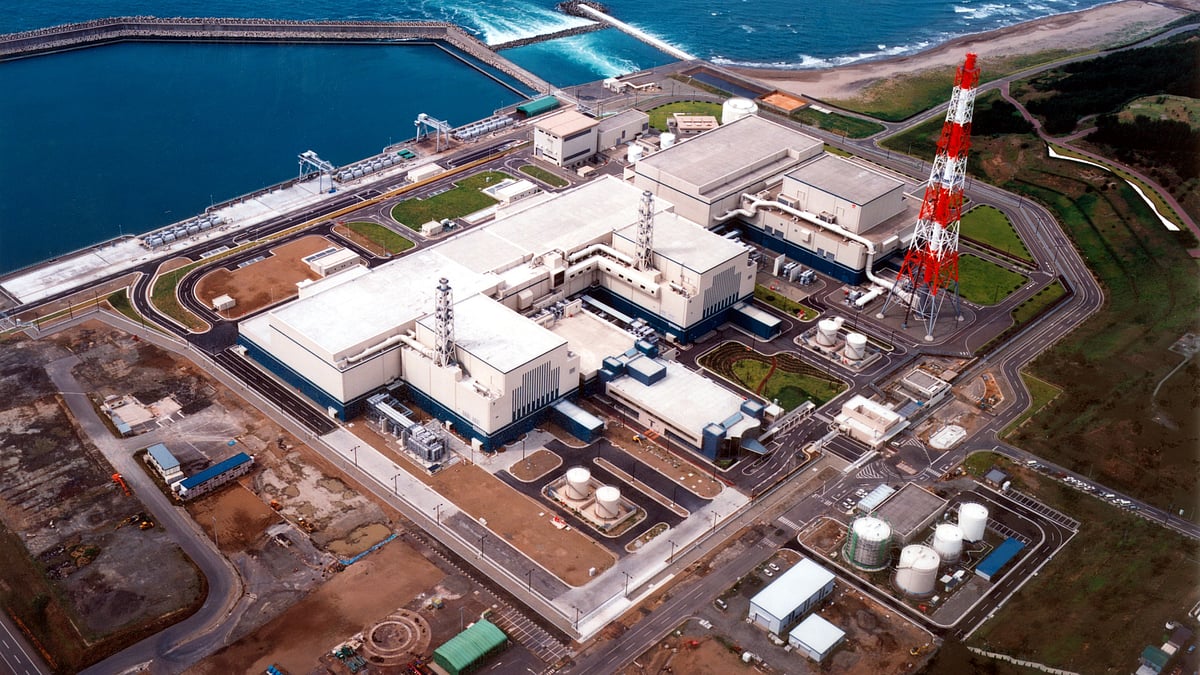
The governor of Japan’s Niigata prefecture on Tuesday formally gave local consent for the restart of two reactors at the Kashiwazaki-Kariwa nuclear power plant, clearing the last procedural hurdle for resuming operations at the facility that has remained idle for more than a decade following the 2011 Fukushima nuclear accident.
Governor Hideyo Hanazumi, during a meeting with Economy, Trade and Industry Minister Ryosei Akazawa, conveyed the prefecture’s endorsement to restart Reactors No. 6 and No. 7, citing assurances from the central government on safety standards, emergency preparedness and efforts to secure public understanding.
“It was a heavy and difficult decision,” Hanazumi told reporters after the meeting.
Restart timeline and next steps
Preparations for restarting Reactor No. 6 are already underway
TEPCO (Tokyo Electric Power Company) is expected to apply for a final safety inspection by the Nuclear Regulation Authority (NRA) later this week
If cleared, operations could resume as early as January
Restart work on Reactor No. 7 is expected to take several more years
The move came a day after the Niigata prefectural assembly passed a budget bill that included funding required for the restart, lending legislative backing to the governor’s decision.
Hanazumi also met Prime Minister Sanae Takaichi, who supports nuclear power, and invited her to visit the plant to review safety arrangements.
Japan’s nuclear policy shift
Japan had earlier moved towards phasing out nuclear power after the March 2011 earthquake and tsunami triggered triple meltdowns at TEPCO’s Fukushima Daiichi plant. However, rising fuel costs, energy security concerns and climate commitments have prompted a policy reversal.
Japan has 57 commercial reactors
13 reactors are currently in operation
20 reactors remain offline
24 reactors are being decommissioned
The Kashiwazaki-Kariwa plant, comprising seven reactors, is the world’s largest nuclear power station. Although Reactors No. 6 and 7 cleared safety tests in 2017, restart plans were suspended after security lapses were identified in 2021. The NRA lifted an operational ban in 2023.
Safety concerns and local unease
Restart efforts again faced uncertainty after a 1 January 2024 earthquake in the nearby Noto region, which revived concerns over disaster response and evacuation plans. The industry ministry sought early approval from Niigata two months later.
Under Japanese regulations, reactor restarts require consent from local authorities.
For TEPCO, which continues to shoulder the costs of Fukushima decommissioning and compensation, restarting Kashiwazaki-Kariwa is seen as crucial for improving its financial position. However, experts have cautioned that accelerated restarts also raise unresolved issues related to radioactive waste management, nuclear fuel reprocessing and public trust in nuclear safety.
Join our official telegram channel (@nationalherald) and stay updated with the latest headlines