World
Democrats seize US Congress as voters deliver sweeping rebuke to Trump
Republicans lose both chambers in a midterm defeat driven by economic discontent, the Iran war and demands for greater accountability
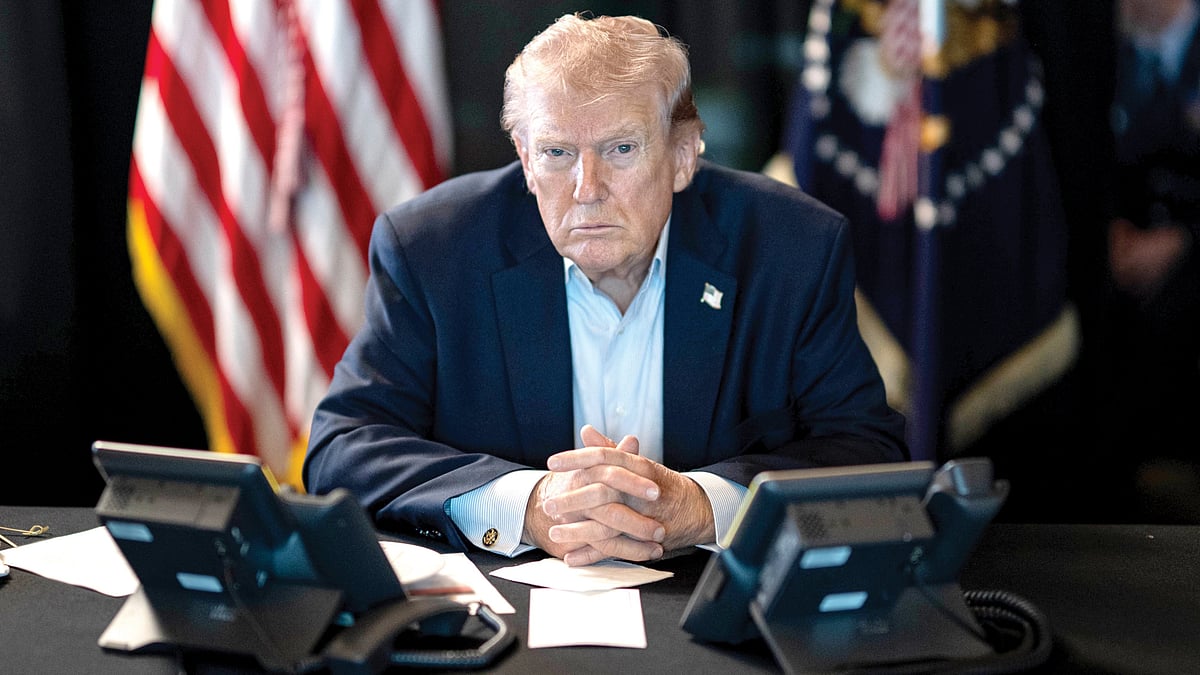
Democrats win control of both the US House and Senate, setting up a confrontation with President Donald Trump in his final two years in office
Republican losses extend to traditional strongholds, with Democratic victories in Senate races across Texas, Kansas, Iowa and Ohio
High living costs, the Iran war and concerns about government corruption dominate voter sentiment
Democrats have won control of both chambers of the US Congress, delivering a major setback to President Donald Trump and putting his administration on course to face stronger scrutiny and resistance during his final two years in office.
The Associated Press reported that Democrats secured the House of Representatives alongside the Senate, ending Republican control of Congress after an election shaped by frustration over high prices, the Iran war and concerns about government corruption.
Democratic gains extended beyond established battlegrounds into states Trump carried comfortably in the presidential election two years ago. The results give the party greater power to challenge legislation, investigate the administration and influence federal spending.
In the Senate, James Talarico defeated Republican Ken Paxton in Texas, while Adam Hamilton unseated incumbent Roger Marshall in Kansas. Iowa’s Josh Turek defeated Republican Congresswoman Ashley Hinson, and Sherrod Brown beat Republican Senator Jon Husted in Ohio.
Roy Cooper won North Carolina’s Senate contest against Republican Michael Whatley. In Georgia, Democratic Senator Jon Ossoff secured re-election against Mike Collins, while Chris Pappas retained a Democratic-held seat in New Hampshire by defeating former senator John Sununu.
Republicans recorded victories in Florida, where Ashley Moody won a special Senate election, and Wyoming, where Harriet Hageman won a Senate seat.
Democrats also flipped seven Republican-held House seats, according to the supplied AP reporting. Republican incumbents defeated included Tom Kean in New Jersey and Ryan Mackenzie, Scott Perry and Rob Bresnahan in Pennsylvania.
Rebecca Bennett, a former Navy helicopter pilot, defeated Kean in New Jersey, adding to the Democratic gains that ultimately secured control of the chamber.
The outcome marks a substantial change for an administration whose agenda had benefited from Republican support in Congress. Democratic majorities will be able to lead committees, pursue investigations and require administration officials to defend their decisions.
However, Trump retains presidential veto powers, creating the prospect of prolonged disputes over legislation and spending.
Living costs and war weigh on voters
Economic dissatisfaction was central to the election. According to the AP Voter Poll, about three-quarters of voters expressed anger or dissatisfaction with the country’s direction. A similar proportion rated the economy as poor or not very good.
Around four in five voters said inflation had caused their families moderate or severe financial hardship.
Inflation and corruption were prominent concerns, with nearly half of voters identifying them as leading considerations in their congressional vote. Almost 60 per cent believed Trump put his personal interests ahead of the country’s.
The Iran war also contributed to dissatisfaction with the administration, adding a foreign policy dimension to an election dominated by household financial pressures.
More than 59 million Americans voted before election day, exceeding the early-voting total recorded in the 2022 midterms.
Democrats gain governorships
Republican setbacks extended to state governor races. In Texas, Democrat Gina Hinojosa defeated Governor Greg Abbott, while Amy Acton beat Republican Vivek Ramaswamy in Ohio.
Keisha Lance Bottoms won Georgia, becoming the first Black woman elected governor of a US state.
Democratic governors Josh Shapiro in Pennsylvania, JB Pritzker in Illinois, Wes Moore in Maryland, Maura Healey in Massachusetts and Kathy Hochul in New York secured re-election.
Republican Byron Donalds won Florida’s governor race, becoming the state’s first Black governor.
Trump signals resistance
As Republican losses mounted, Trump sought to distance himself from the outcome. In a social media post before voting had ended on the west coast, he said he was not on the ballot and maintained that Republicans would have won decisively had he been a candidate.
He also signalled that he would use his veto to block Democratic proposals.
House Democratic leader Hakeem Jeffries has prepared a first-100-days agenda centred on addressing living costs and strengthening oversight of the administration.
According to the supplied report, Defence Secretary Pete Hegseth and former Trump adviser Elon Musk could face congressional investigations.
The Democratic victories leave Trump confronting an opposition-controlled Congress with both the incentive and the institutional power to challenge his administration through the remainder of his presidency.
With agency inputs
Join our official telegram channel (@nationalherald) and stay updated with the latest headlines