World
Trump weighs military options on Iran as Russia, China stop short of backing Tehran
US president signals potential escalation if nuclear talks fail, while Moscow and Beijing appear wary of direct confrontation with Washington
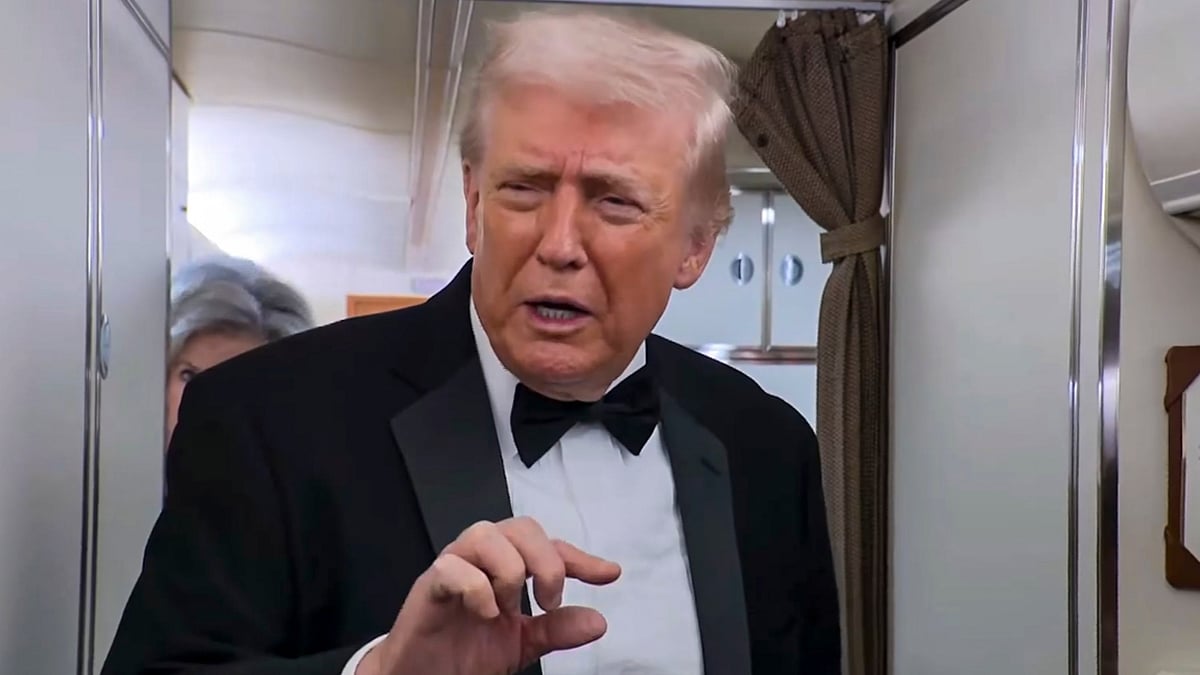
US President Donald Trump is considering possible military action against Iran as diplomatic efforts enter what officials describe as a critical final phase, amid signs that Tehran’s key partners, Russia and China, are unwilling to offer direct military support in the event of a confrontation with the United States.
According to a report by The Wall Street Journal, Iran has spent years attempting to strengthen defence ties with both Moscow and Beijing. However, as pressure from Washington intensifies, analysts suggest that neither power is prepared to intervene militarily on Tehran’s behalf, even if the US launches strikes.
Although Russia and Iran recently held limited naval exercises in the Gulf of Oman, and Iranian state media has announced forthcoming drills involving Chinese vessels in the Strait of Hormuz, observers say these manoeuvres fall short of signalling any commitment to direct military backing.
Danny Citrinowicz, a former Israeli military intelligence official, told the Journal that while Moscow and Beijing would prefer the Iranian government to remain in place, they are unlikely to jeopardise their broader strategic interests by confronting the US. “They are hoping the regime will not be toppled, but they are definitely not going to counter the US militarily,” he said.
Meanwhile, The New York Times reported that Mr Trump has informed advisers he would contemplate a far more expansive campaign if diplomatic efforts — or any limited US strike — fail to compel Iran to abandon its nuclear programme. Such an operation, the paper said, could aim at removing Iran’s leadership from power.
Talks between US and Iranian negotiators are due to take place in Geneva in an attempt to avert military conflict. However, the White House is understood to be reviewing a range of potential targets should negotiations collapse, including facilities linked to Iran’s Islamic Revolutionary Guard Corps and sites associated with its nuclear and ballistic missile activities.
Iran’s foreign minister, Abbas Araghchi, has maintained that Tehran will not relinquish what it describes as its right under the Nuclear Non-Proliferation Treaty to produce nuclear fuel. In a televised interview, he reiterated that Iran was not prepared to abandon its programme.
In Washington, some lawmakers have voiced concern over the prospect of unilateral military action. Senator Jeff Merkley warned that any decision to launch strikes without congressional approval would breach constitutional requirements and could endanger both American personnel and civilians. “Only Congress has the constitutional authority to declare war,” he said in a statement.
Separately, in comments reported by the New York Post, special presidential envoy Steve Witkoff suggested Iran could be “a week away” from producing weapons-grade nuclear material, heightening the sense of urgency within the administration.
Any escalation around the Strait of Hormuz would have significant global repercussions. Roughly one-fifth of the world’s oil supply passes through the narrow maritime corridor, a critical artery for international energy markets. Disruption to shipping in the region would likely drive up crude prices and could pose immediate challenges for major importers, including India, which relies heavily on energy flows through the waterway.
With IANS inputs
Join our official telegram channel (@nationalherald) and stay updated with the latest headlines