World
Iran-linked tankers transit Hormuz despite US naval blockade: Report
Three vessels pass through strait as restrictions target Iranian ports after failed talks
Three Iran-linked tankers transited the Strait of Hormuz on Tuesday, the first full day of the US blockade on vessels calling at Iranian ports, shipping data showed, even as Beijing criticised the move as “dangerous and irresponsible”.
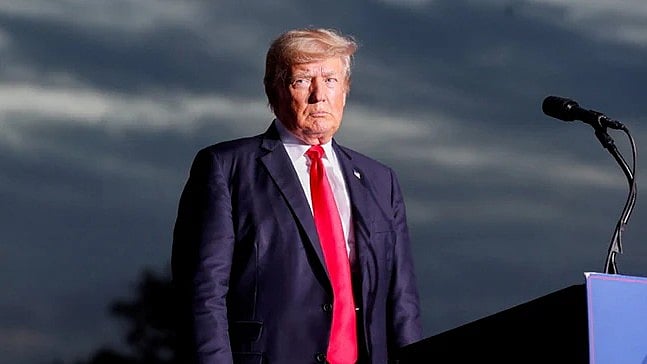
The blockade was announced on Sunday by US President Donald Trump after talks between Washington and Tehran in Islamabad failed to produce an agreement.
Tankers move despite restrictions
Data from shipping analytics firms showed that the vessels passing through the strategic waterway were not bound for Iranian ports and therefore were not covered under the US restrictions.
The vessels include:
Peace Gulf, a Panama-flagged medium-range tanker heading to Hamriyah port in the United Arab Emirates
Murlikishan, a handy tanker en route to Iraq to load fuel oil
Rich Starry, a sanctioned tanker carrying about 250,000 barrels of methanol
The Peace Gulf typically transports Iranian-origin naphtha to other Middle Eastern ports for onward export to Asia.
Sanctioned vessels continue movement
Two of the vessels — Murlikishan and Rich Starry — have previously been linked to shipments involving Iranian and Russian oil and are under US sanctions.
Rich Starry, owned by Shanghai Xuanrun Shipping Co Ltd, is expected to be the first sanctioned tanker to both transit the strait and exit the Gulf since the blockade began.
The tanker, which has a Chinese crew, loaded its cargo at the UAE’s Hamriyah port, according to shipping data.
China criticises US move
China reacted sharply to the blockade, warning that it could escalate tensions in an already volatile region.
A Chinese foreign ministry spokesperson said the move was “dangerous and irresponsible” and cautioned that it would aggravate the situation.
However, Beijing did not confirm whether Chinese vessels were among those transiting the strait.
Strategic context
The Strait of Hormuz is one of the world’s most critical maritime chokepoints, handling a significant share of global oil and gas shipments.
While the US blockade targets vessels linked to Iranian ports, continued movement of tankers not directly calling at Iran highlights the complexity of enforcing restrictions in the region.
The blockade follows the collapse of weekend negotiations between the US and Iran, with tensions escalating over Tehran’s nuclear programme and control over maritime trade routes.
The developments signal a fragile situation in the Gulf, where military, economic and diplomatic pressures are intersecting, with potential implications for global energy markets.
Join our official telegram channel (@nationalherald) and stay updated with the latest headlines