World
Iran threatens to cut undersea cables, could disrupt 95 pc of global internet: Report
Experts flag risks to global connectivity, with potential impact on India
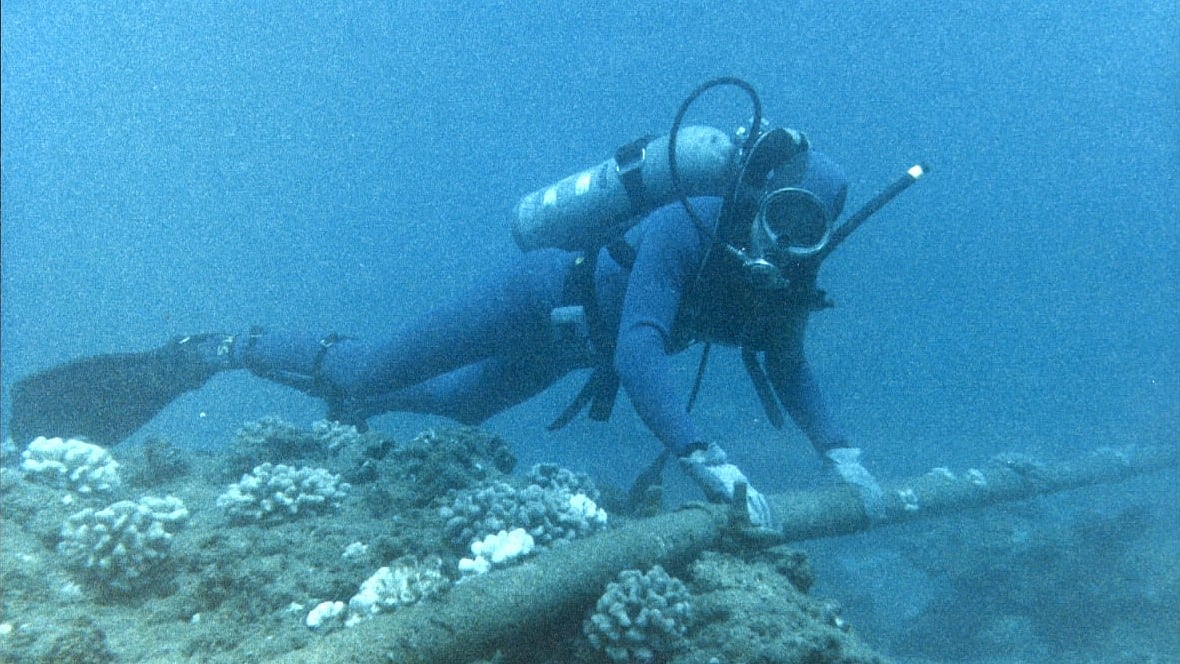
Unverified reports have claimed that Iran has threatened to target undersea internet cables in the Red Sea, a move that could disrupt global connectivity, though there has been no official confirmation from Iranian authorities or major intelligence agencies.
The claims have circulated on social media, with some commentators alleging that Tehran could damage submarine fibre-optic cables if Gulf countries continue to host US forces.
However, these assertions remain unverified.
Strategic infrastructure at risk
Undersea cables in the Red Sea form a critical digital corridor linking Asia, Europe and the Middle East, carrying a substantial share of global internet traffic.
These fibre-optic networks handle financial transactions, cloud services, communications and data flows, including those linked to emerging artificial intelligence infrastructure.
Experts say any disruption could have far-reaching consequences beyond temporary internet slowdowns.
Global impact concerns
Some analysts have suggested that damage to these cables could lead to prolonged outages, given the complexity and time required to repair submarine infrastructure.
Such cables are considered vulnerable due to their concentration in narrow maritime chokepoints.
However, no verified evidence has emerged indicating any imminent attempt to target them.
Implications for India
India could be among the countries affected by any disruption, as several cable routes connect the country to West Asia and Europe through landing points in the Gulf region.
A slowdown or disruption could affect internet speeds, cloud services, digital payments and business operations, given India’s high data consumption and reliance on global networks.
In a related development, reports indicated that Alcatel Submarine Networks has issued force majeure notices and that one of its installation vessels remains stranded near Saudi Arabia, though the reasons were not officially detailed.
Submarine cables carry the vast majority of global internet traffic and are considered critical infrastructure.
While geopolitical tensions have raised concerns about their vulnerability, officials have not confirmed any direct threat from Iran, and the situation remains speculative at this stage.
Join our official telegram channel (@nationalherald) and stay updated with the latest headlines