World
Iran warns of retaliation as Hormuz crisis deepens, rejects US military threats
Islamic Revolutionary Guard Corps warns that vessels crossing the mined passage will face destruction of their assets
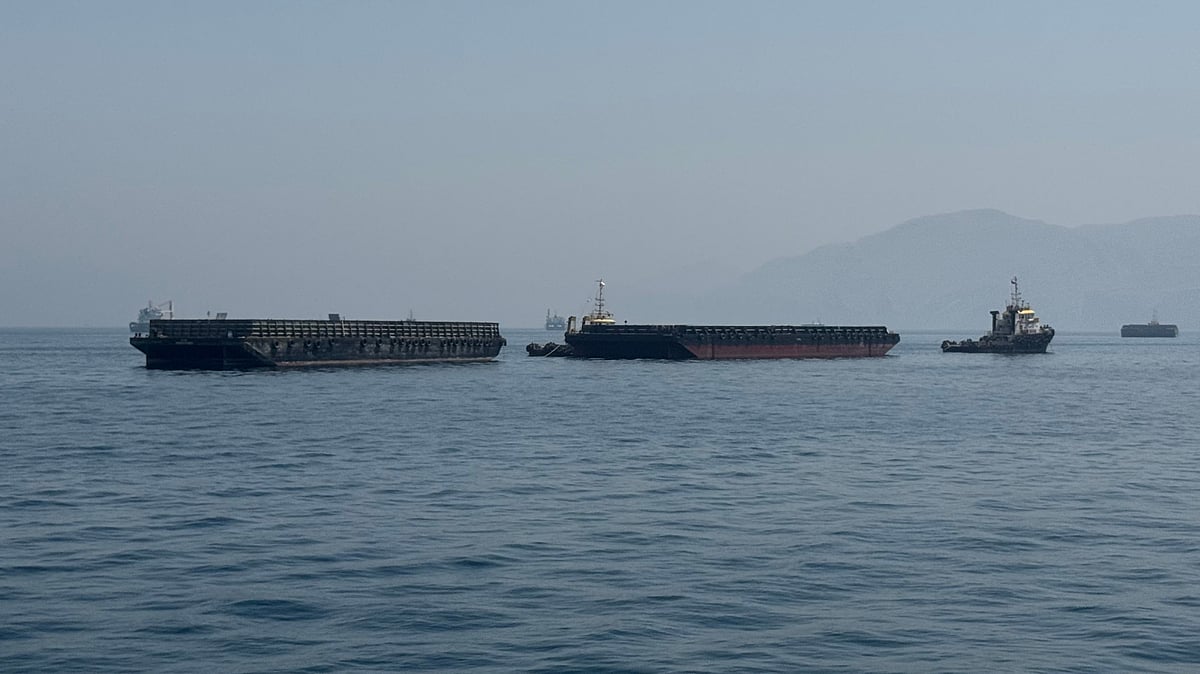
Iran has vowed to retaliate against any military strike, while the IRGC claims two tankers caught fire and a US drone was shot down
The Strait of Hormuz remains a flashpoint as Iran maintains its closure and the US continues economic pressure
Despite threats of further US strikes over Iran’s nuclear programme, indirect talks through Pakistan and Qatar continue without a breakthrough
Iran has warned that any military strike against the country will be met with an equal or greater response, as tensions with the United States intensify over the strategic Strait of Hormuz, maritime security and Tehran’s nuclear programme.
Iran’s Islamic Revolutionary Guard Corps (IRGC) said on Tuesday that two oil tankers caught fire after striking naval mines allegedly laid by its naval forces in the Strait of Hormuz. According to a statement published by the IRGC’s official news outlet, Sepah News, the vessels had attempted to cross the waterway using what Tehran described as an “illegal” route south of the strait.
The IRGC warned that vessels attempting to navigate the mined passage would face serious consequences, saying that violations of its restrictions would result in the destruction of the vessels’ assets. The reported incident underscores Iran’s determination to enforce its control over the vital shipping corridor amid escalating confrontation with Washington.
The IRGC also claimed that Iranian air defence forces shot down a US MQ-9 Reaper drone over the Strait of Hormuz on Monday night. It said Iranian forces were continuing to monitor developments and would maintain what Tehran describes as its sovereignty and management of the waterway. The claims have not been independently verified.
Iran’s foreign ministry spokesperson Esmaeil Baghaei, meanwhile, issued a fresh warning against military action, declaring that Tehran would not allow any attack on the country to go unanswered.
Speaking at his weekly press conference in Tehran on Tuesday, Baghaei said Iran would respond with equal or greater force and dismissed suggestions that the country might refrain from retaliating against US strikes. He said the era of “hit and run” attacks was over, describing expectations of an Iranian response being limited or absent as “fantasies”.
Baghaei also rejected social media claims that Washington had sent a message signalling an intention to attack Iran’s Pickaxe Mountain, a site alleged to be connected to the country’s nuclear programme.
The issue has gained prominence after US President Donald Trump said in an interview with Newsmax on Thursday night that Washington might have to target Pickaxe Mountain. Trump reiterated that the United States wanted to prevent Iran from developing nuclear weapons.
US defence secretary Pete Hegseth has similarly said Washington is prepared to undertake further military action against Iran, maintaining that preventing Tehran from acquiring a nuclear weapon remains a central US objective.
Iran, however, continues to resist US pressure while insisting that its security and sovereignty must be respected. Baghaei also said no discussions had taken place between Tehran and Moscow on the details of Iran’s nuclear issue during Russian foreign minister Sergei Lavrov’s recent visit to the country.
The confrontation extends beyond military threats to the future of the Strait of Hormuz, a critical route for international energy shipments. Iranian foreign minister Abbas Araghchi has said the strait will remain closed until Washington accepts Tehran’s conditions, while confirming that indirect communications with the United States are continuing through Pakistan and Qatar.
US secretary of state Marco Rubio has described the prospects of reaching a peace agreement with Iran as extremely difficult. He said Washington would maintain economic pressure until Tehran stops targeting commercial shipping in the strait.
The competing positions leave diplomacy facing significant obstacles. Washington is demanding an end to threats against maritime traffic and seeking assurances that Iran will not develop nuclear weapons, while Tehran is warning against further attacks and insisting that its conditions be addressed.
With Iran signalling that it intends to retaliate against any new military action and the United States keeping further strikes on the table, the Strait of Hormuz remains a major flashpoint. The continuation of indirect contacts through regional intermediaries offers a potential channel for dialogue, but no breakthrough has been announced.
For Tehran, the immediate priorities remain deterring further attacks, asserting control over the strategic waterway and resisting US demands. For the wider international community, the confrontation raises concerns about the security of commercial shipping, energy supplies and the risk of a broader regional conflict.
With agency inputs
Join our official telegram channel (@nationalherald) and stay updated with the latest headlines